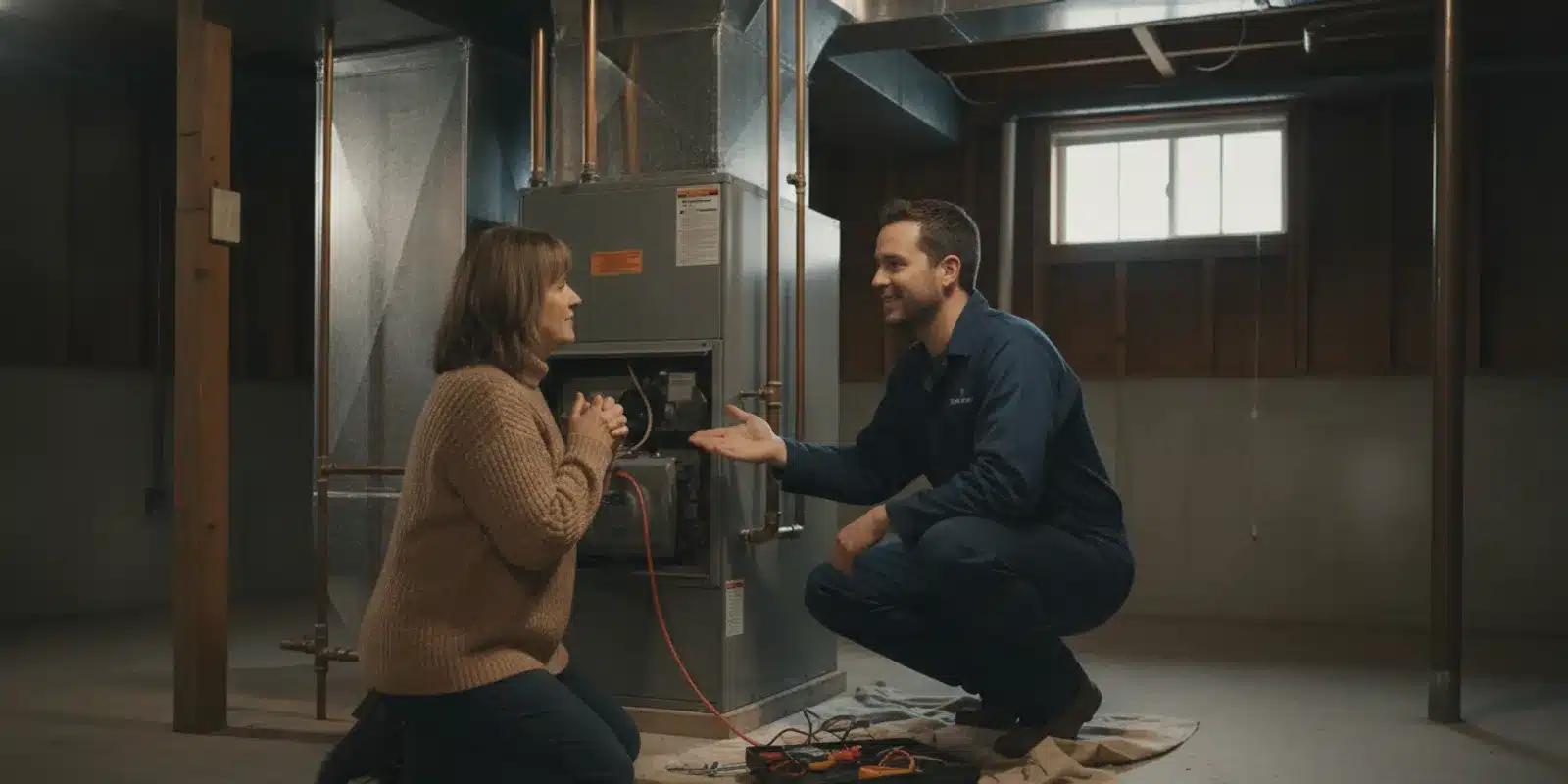
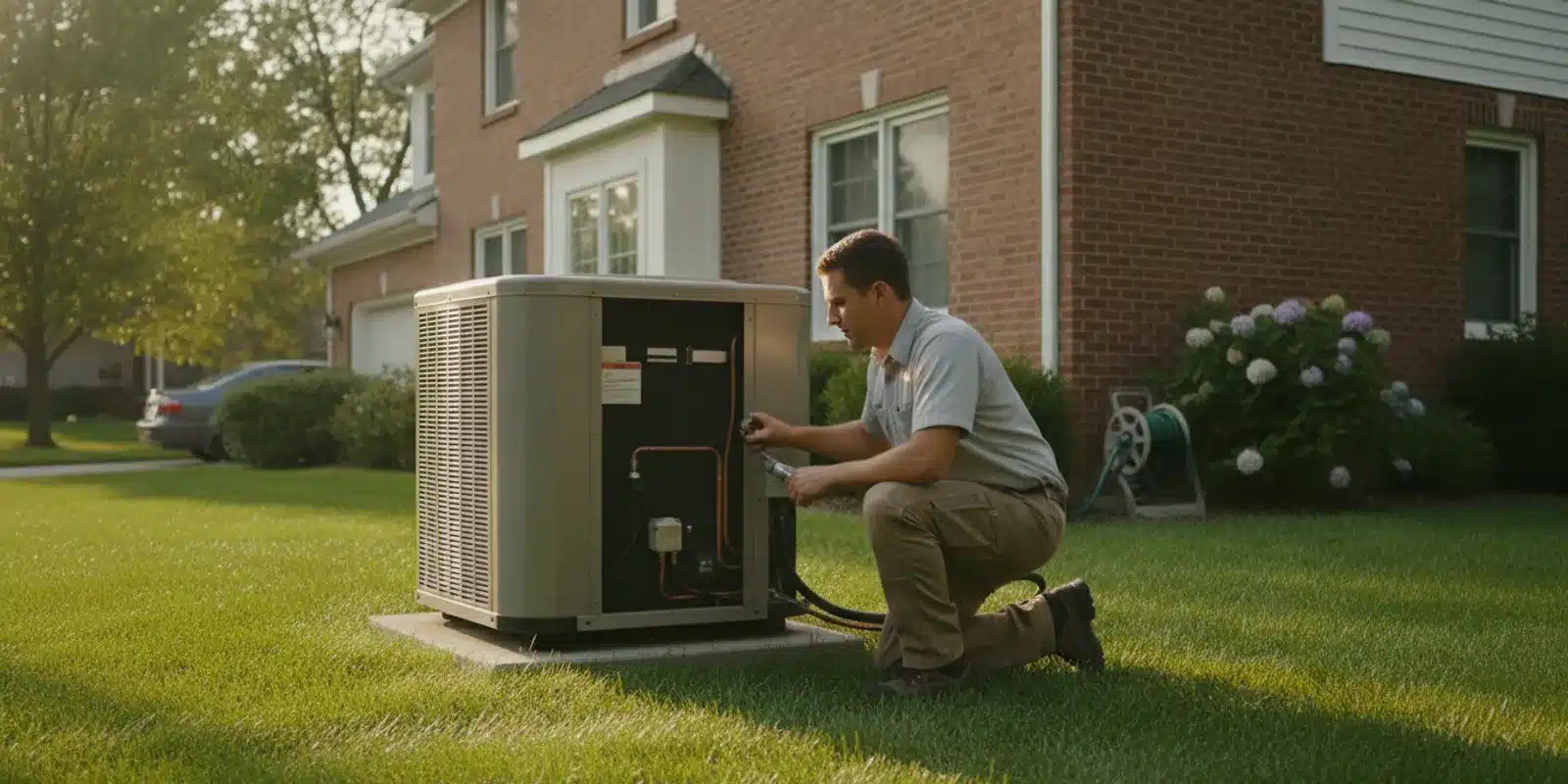
Choosing a furnace in Indianapolis means weighing a gas furnace vs electric furnace Indiana homeowners can compare by comfort, installation requirements, monthly energy use, and future service needs. The lowest equipment price is not always the lowest total cost. Your utility connections, electrical panel, ductwork, insulation, and plans for the home all matter.
Schedule a furnace consultation with Armor Air for clear, no-pressure guidance.
When comparing gas furnace vs electric furnace indiana options, homeowners should know that gas often delivers hotter air quickly during cold snaps. Electric resistance heat can cost less to install and has fewer mechanical parts. The right choice depends on local utility access, installation requirements, home efficiency, and long-term operating costs.
Before comparing monthly expenses or lifespan, it helps to understand what happens inside each system. Their different heat-generation methods affect venting, electrical needs, airflow, maintenance, and the way warmth reaches your rooms.
How Gas Furnace vs Electric Furnace Indiana Options Work
A gas furnace burns natural gas and transfers combustion heat through a heat exchanger. An electric furnace passes electricity through heating elements. Both use a blower and duct system, but gas adds venting and combustion components while electric places more demand on the home’s electrical service.
The two systems use different heat-generation methods, and that difference affects venting, electrical requirements, maintenance, and installation.
How a gas furnace creates heat
When the thermostat calls for heat, the furnace opens a gas valve and ignites the burners. The combustion process creates hot gases inside the furnace. Those gases pass through a metal heat exchanger, which transfers heat to the household air without mixing the combustion gases into the air delivered through the ducts. The blower then circulates the warmed air through the home.
Because combustion creates byproducts, a gas furnace needs a properly designed venting system that carries those gases outdoors. A cracked heat exchanger, damaged flue, or improperly maintained vent can allow combustion pollutants to enter the living space. The EPA identifies carbon monoxide, nitrogen dioxide, and particles among the potential combustion pollutants associated with fuel-burning equipment and cracked furnace heat exchangers. Learn more from the EPA about combustion products in homes.
How an electric furnace creates heat
An electric furnace does not burn fuel. Instead, electricity passes through heating elements, similar in principle to the elements in a toaster. The elements become hot, and the blower moves air across them before distributing that air through the ducts. Since there is no combustion, an electric furnace does not need a gas line, flue, or combustion vent.
That simpler heat-generation process does not mean every electric installation is automatically simple. Electric furnaces commonly require a dedicated, high-amperage circuit. The home’s electrical panel, wiring, and available service must be evaluated before installation. A professional can determine whether the existing electrical infrastructure can safely support the equipment or whether upgrades are needed.
What the difference means for your home
Gas equipment adds combustion and venting components that need professional inspection. Electric equipment removes those combustion-related components but places greater demand on the electrical system. Both furnace types still depend on correct sizing, clean filters, sound ductwork, and reliable airflow. The U.S. Department of Energy explains residential furnace definitions and standards in its consumer furnace guidance.
For Indianapolis homeowners, the right installation starts with the home, not a generic gas-versus-electric rule. Utility availability, existing infrastructure, duct design, and a professional load calculation all matter. Armor Air can evaluate those factors as part of its Furnace Installation, Repair, and Replacement for Indianapolis Homeowners, then explain the tradeoffs in plain language.
What Does It Cost to Run Gas vs Electric Heat in Indiana?
Electric resistance heat is highly efficient at the point of use, but electricity can cost more per unit of delivered heat than natural gas. A high-efficiency gas furnace may cost less to operate in a cold Indiana winter. Actual bills depend on rates, usage, insulation, duct losses, equipment efficiency, and thermostat settings.
There is no single monthly price winner for every Indianapolis home. Fuel rates, heating demand, equipment efficiency, and the building envelope all affect the result. Poor ductwork or insulation can waste energy with either system.
Use AFUE, or Annual Fuel Utilization Efficiency, to compare how effectively a furnace converts its fuel into heat. For example, a 90% AFUE gas furnace converts roughly 90% of its fuel energy into usable heat at the equipment. AFUE does not include heat lost through ducts, so it is not the same as whole-home efficiency. The U.S. Department of Energy explains heating-system considerations in its home heating systems guidance.
| Factor | Gas furnace | Electric furnace |
|---|---|---|
| Energy price | May cost less per unit of heat, but Indiana gas rates and usage vary. | May cost more to operate because electricity is often more expensive per unit of heat. |
| Efficiency measure | Compare AFUE, then account for duct and distribution losses. | Resistance heat is rated at 100% at the point of conversion, but that does not guarantee a lower bill. |
| Other monthly costs | Fuel is not the only cost. The blower, controls, and maintenance affect electric use and performance. | A high-amperage electrical demand and blower operation can affect the total electric bill. |
What can change the result in your home?
Leaky ducts can lose heated air before it reaches living spaces, reducing the value of a high AFUE rating. Insulation, air sealing, furnace sizing, and airflow matter just as much when estimating real-world performance. A programmable or smart thermostat can improve control of run times for either furnace type. Replace air filters every 1 to 3 months, depending on the filter and household conditions, because restricted airflow makes the system work harder.
Maintenance also protects operating efficiency. A professional can evaluate duct leakage, airflow, thermostat operation, and equipment condition instead of comparing fuel prices in isolation. If you are replacing equipment, Armor Air’s furnace installation services can help you compare the full operating picture without promising a fixed monthly savings amount.
What Are the Upfront Installation Costs for Gas and Electric Furnaces?
Electric furnace installation may have a lower project cost when the home already has adequate electrical capacity and no gas connection is needed. Gas installation may be more economical when a compliant gas line and venting already serve the equipment location. New circuits, venting, utility work, and duct changes can shift either estimate.
When comparing a gas furnace vs electric furnace in Indiana, the equipment price is only one part of the installation decision. The work required at your home can change the total project cost significantly. A fair comparison starts with the infrastructure already in place, then accounts for sizing, venting, electrical capacity, labor, and long-term serviceability.
| Scope note | Actual project cost varies by home. Dollar signs indicate a variable cost category, not a quote. | |
|---|---|---|
| Cost factor | Gas furnace | Electric furnace |
| Existing utility | $ varies with gas availability and connection requirements. | $ varies with the home’s electrical service and available capacity. |
| Venting | $ may include new or modified venting to safely remove combustion byproducts. | $ typically avoids combustion venting. |
| Electrical work | $ depends on the existing furnace circuit and controls. | $ may include a dedicated, high-amperage circuit. |
| Equipment and labor | $ varies by capacity, efficiency, venting, and installation conditions. | $ varies by capacity, electrical work, and installation conditions. |
Electric furnaces are often less expensive to install when the home already has adequate electrical capacity. They do not need a natural gas connection or combustion venting. However, an electric unit can require a dedicated high-amperage circuit. If the panel or wiring cannot support that demand, electrical upgrades may change the project scope.
Gas installation may be more straightforward when a suitable gas line and compliant venting already serve the equipment location. If they do not, the contractor must evaluate utility availability, gas-line routing, combustion-air needs, and venting. These are safety and code considerations, not optional add-ons. The U.S. Department of Energy’s home heating guidance can help homeowners understand the broader system factors.
Sizing and installation quality matter more than a quick quote
Neither fuel type should be selected from a rule-of-thumb estimate. A professional load calculation helps determine the heating capacity your Indianapolis home actually needs. Oversizing can create uneven comfort and unnecessary cycling, while undersizing can leave the system struggling during a cold snap. Correct installation, airflow, duct connections, controls, and commissioning also affect comfort and efficiency.
Both furnace types can provide a service life of roughly 15 to 20 years or more with proper maintenance. But the right choice depends on your home’s infrastructure and priorities. For a fuller budgeting discussion, read about furnace replacement cost in Indianapolis, then review Armor Air’s furnace installation services. A written, in-home estimate should identify the equipment, efficiency, permits or infrastructure work, labor, warranty, and total price before you approve the project.
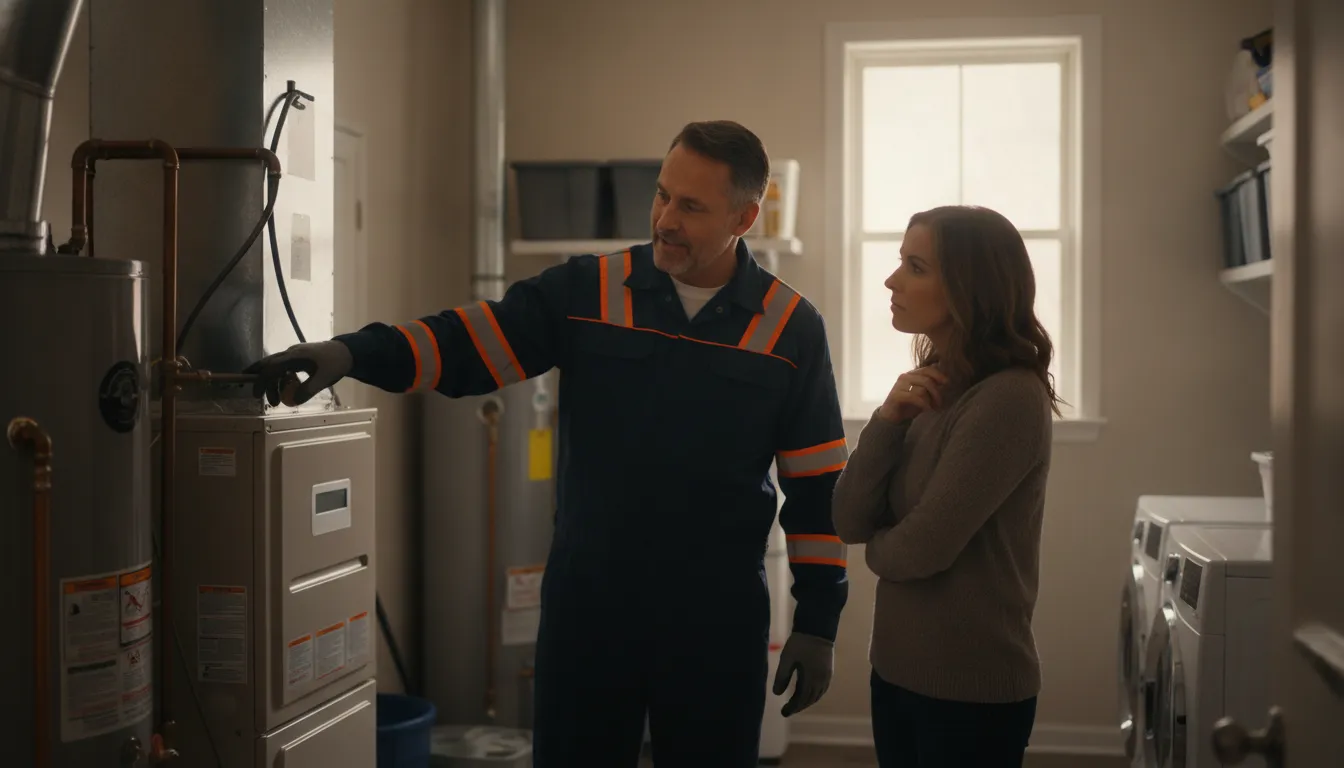
Which Furnace Performs Better During Indiana Cold Snaps?
Gas furnaces often deliver hotter-feeling air and recover quickly during an Indianapolis cold snap. Electric furnaces can still heat a properly sized and installed home reliably. Comfort depends on capacity, airflow, insulation, duct design, thermostat control, and the condition of the entire heating system.
Gas heat may feel faster because combustion produces a higher temperature rise through the heat exchanger. That can be noticeable after an overnight setback. It does not make gas the automatic winner for every home. Comfort depends on how well the entire system works together.
An electric furnace warms air with electrical heating elements. Electric resistance heating converts electricity to heat at the unit, but the air leaving the supply registers may not feel as hot as air from a gas furnace. A gas furnace produces heat through combustion and transfers it through a heat exchanger. Proper venting is essential because combustion creates byproduct gases that must be safely removed.
Why system sizing matters more than the fuel type
A furnace that is too small may run continuously during severe weather and still struggle to maintain the thermostat setting. One that is too large can reach the set point quickly, then cycle on and off more often than it should. Both conditions can create uneven temperatures, unnecessary wear, and a less comfortable home. For an Indianapolis home, the right size should be determined through a professional load calculation, not a broad rule based only on square footage.
Airflow is just as important. Restricted filters, poorly balanced registers, undersized returns, or leaky ductwork can keep warm air from reaching bedrooms and other distant rooms. Even a high-performing furnace cannot compensate for major losses between the equipment and the living space. Insulation and air sealing also influence recovery time, since a well-insulated home holds heat longer during a cold night.
Controls and installation shape the experience
A properly configured thermostat can manage run times more effectively, while a variable-speed blower may provide steadier airflow and help reduce noticeable temperature swings. These features do not replace correct sizing or installation, but they can improve how consistently heat is delivered throughout the home.
The practical answer to the gas furnace vs electric furnace Indiana question is therefore home-specific. Gas may recover quickly during bitter weather, while electric may fit a home without gas availability or with different installation priorities. A professional evaluation should consider the existing utility connections, ductwork, insulation, airflow, and comfort concerns together. If rooms already feel uneven or your furnace struggles during cold weather, review Indianapolis heating and cooling services and have the system assessed before choosing a replacement.
How Do Safety and Maintenance Differ?
Gas furnace safety centers on combustion, venting, the heat exchanger, and carbon monoxide protection. Electric furnace maintenance centers on heating elements, electrical connections, controls, filters, and airflow. Both systems require professional inspection when performance changes or a safety concern appears.
Gas adds combustion and venting checks to routine furnace care. Electric removes those combustion concerns, but its heating elements, electrical connections, airflow, and controls still need professional attention.
Gas furnace safety starts with combustion and venting
Gas- and oil-burning furnaces can produce carbon monoxide, an invisible and odorless gas that can harm people without warning. The CDC furnace safety fact sheet recommends prevention measures for homes with fuel-burning furnaces, including appropriate carbon monoxide protection. Have working CO detectors installed according to manufacturer guidance, and treat an alarm or possible exposure as an urgent safety concern rather than a routine service question.
Combustion products must leave the home through properly installed and maintained flues or vents. The EPA’s guidance on combustion products notes that improperly maintained chimneys and flues, along with cracked furnace heat exchangers, can allow pollutants into living spaces. During professional maintenance, a technician can inspect the heat exchanger, evaluate venting, and clean burners as appropriate. These are inspection and repair tasks, not projects to troubleshoot or modify yourself.
Electric furnace maintenance focuses on airflow and elements
Electric furnaces use heating elements rather than combustion. Those elements should be checked periodically for debris and consistent heat output. A clogged filter can restrict airflow, make the system work harder, and contribute to uneven comfort. Check the filter on a regular schedule and replace it based on the home’s conditions and the filter manufacturer’s instructions. Many homes need replacement every one to three months, although pets, remodeling dust, and household occupancy can change that interval.
Professional maintenance should also include the blower, electrical connections, controls, heating elements, and ductwork. A technician can look for airflow restrictions, signs of overheating, and duct leaks that waste heat before it reaches living spaces. Gas furnaces benefit from the same filter and airflow attention, even though they add combustion-safety checks.
If you notice unusual odors, repeated shutdowns, poor heating, a damaged vent, or a CO alarm, stop treating the issue as a comparison-shopping question and request qualified help. Armor Air can evaluate a furnace concern with NO TRIP CHARGE EVER, and same-day service may be available for qualifying emergency HVAC situations. For broader context, you can also compare heating options for your home.
How to Choose Between a Gas Furnace and Electric Furnace in Indiana
The right furnace fits your home’s utilities, heating load, electrical capacity, comfort needs, budget, and long-term plans. Compare the complete installation scope and expected operating factors instead of choosing from fuel price or equipment cost alone.
There is no single answer for every Indianapolis home. The right choice depends on the equipment already in place, the home’s heating load, available utilities, comfort priorities, and the long-term cost you are prepared to manage. A thoughtful gas furnace vs electric furnace Indiana comparison should look beyond the purchase price.
Use these factors to organize the conversation with a qualified HVAC professional:
- Utility availability: Confirm whether natural gas service is available at your property. Utility access is a fundamental part of choosing between gas and electric heating. If gas is not available, an electric furnace may be the more practical path.
- Existing infrastructure: Review what your home already has. A gas installation may require appropriate gas connections and outdoor venting. An electric furnace often requires a dedicated, high-amperage electrical circuit. The condition and compatibility of your ductwork matter for either system.
- Total cost: Compare more than the initial installation price. Electric furnaces are typically less expensive to install because they do not need a gas line or complex venting. Operating costs vary with local utility rates, usage, insulation, duct losses, and equipment efficiency, so a generic cost promise is not reliable.
- Comfort and cold-weather needs: Indianapolis homes must handle winter temperatures that can approach zero. Natural gas often produces hotter air more quickly, but comfort also depends on airflow, insulation, thermostat control, and correct sizing. Discuss how each option would perform in your home rather than relying on a broad generalization.
- Sizing and load calculation: Do not select capacity from a rule of thumb or simply match the old furnace. A professional load calculation accounts for the home’s characteristics and helps prevent short cycling, uneven temperatures, and unnecessary energy use.
- Safety and maintenance: Gas combustion requires proper venting and carbon monoxide protection. Electric systems avoid combustion, but still need routine inspection and airflow care. For either furnace, regular filter changes and professional maintenance support dependable operation.
- Future plans: Consider how long you expect to stay, planned insulation or duct improvements, utility changes, and your preferred maintenance responsibilities. Both furnace types can last 15 to 20 years or more with proper maintenance, making the installation decision a long-term one.
Armor Air can explain the available options without pushing you toward a predetermined answer. Our Furnace Installation, Repair, and Replacement for Indianapolis Homeowners team can provide a consultative evaluation. NO TRIP CHARGE EVER and same-day service are available according to service-area and scheduling conditions. Qualifying installation projects may also be eligible for 0% financing for 12 months. Call (317) 455-4448 to discuss your home and priorities. Armor Air is closed Sundays for God and Family time.
Schedule your Indianapolis furnace consultation with Armor Air
Call (317) 455-4448 or schedule furnace service with Armor Air
Frequently Asked Questions
Is it cheaper to run a gas furnace or electric furnace?
Operating cost depends on local gas and electricity rates, furnace efficiency, ductwork, insulation, and thermostat settings. Electric resistance heat converts electricity to heat at the unit, but electricity can cost more per unit of heat than gas. Compare your recent utility bills and have a contractor evaluate the whole system before choosing.
What is the difference in installation cost between gas and electric furnaces?
Electric furnaces are often less expensive to install when the home already has adequate electrical capacity because they do not need a gas connection or combustion venting. A gas installation may cost more when it requires new gas piping, venting, or other infrastructure. The actual estimate depends on the home and available utilities.
Which is better for Indiana winters: gas or electric furnace?
Both can heat an Indianapolis home when correctly sized and installed. Gas furnaces are often preferred for faster, hotter-feeling heat during cold weather, while an electric furnace may fit a home without natural-gas access. Insulation, duct condition, airflow, and equipment sizing can matter as much as the fuel type.
Why is my electric bill high when I have a gas furnace?
A gas furnace still uses electricity for its blower, controls, and ignition. A high bill may also point to long run times, inefficient ductwork, a thermostat issue, or other electrical appliances. An HVAC evaluation can separate furnace-related usage from broader household energy demand.
How is a furnace sized for my Indianapolis home?
Square footage alone is not enough to select a furnace. A professional should consider insulation, windows, ductwork, orientation, air leakage, and the home’s heating load. General rules of thumb can lead to oversized or undersized equipment, so request a load calculation before installation.
Ready to Choose the Right Furnace?
The best fit for your Indianapolis home depends on more than whether the system uses gas or electricity. A professional evaluation can account for your home’s size, existing equipment, comfort goals, and installation requirements, so you can compare practical options with confidence.
Schedule a furnace consultation or same-day HVAC service with Armor Air