


When to Replace Furnace Warning Signs in Indianapolis
A furnace rarely fails without giving you clues first. Indianapolis homeowners may notice rooms that stay cold, longer run times, rising energy use, unusual sounds, or repeated repair visits before replacement becomes urgent. One symptom does not prove that a furnace must be replaced, but several together deserve a professional assessment.
Schedule a same-day furnace assessment
The clearest when to replace furnace warning signs are an older system combined with frequent breakdowns, costly repairs, worsening comfort, unusual operation, or unexplained energy increases. A qualified technician should evaluate the furnace, ductwork, safety, and repair history before recommending replacement.
This decision-support guide complements Armor Air’s Furnace Installation, Repair, and Replacement guide. It helps you sort warning signs from repairable problems and make a clear Indianapolis heating decision without pressure.
How to Interpret When to Replace Furnace Warning Signs
Age is useful context, but it is not a verdict. A well-maintained furnace may remain a reasonable repair candidate as it gets older. A newer system with repeated failures, unsafe operation, or serious comfort problems may need prompt attention. The right decision comes from looking at several factors together.
Age, maintenance, and reliability
As a furnace ages, wear can affect ignition, motors, controls, heat exchange, and airflow. Older equipment may also become harder to support when parts are less available. That does not mean every older furnace should be replaced immediately. Review the maintenance history, breakdown pattern, condition of major components, and ability of the system to heat the home consistently.
A single repair on an older furnace is not the same as repeated service calls. If the same system needs attention several times in one heating season, the cost and disruption may make replacement planning more practical. A technician should explain whether the repair addresses an isolated failure or a symptom of broader decline.
Efficiency is only part of the picture
Furnace efficiency is commonly described with annual fuel utilization efficiency, or AFUE. An older, lower-efficiency model may use more fuel to provide similar comfort than newer equipment. However, a new furnace cannot solve every energy problem. Duct leaks, poor insulation, incorrect sizing, airflow restrictions, and thermostat issues can also increase run time.
That is why an assessment should consider the complete heating system. If the furnace is replaced while distribution problems remain, the home may still have cold rooms and long cycles. Armor Air can help homeowners compare furnace replacement with repair, installation requirements, and related ductwork concerns. For broader service-category information, review the Furnace Installation, Repair, and Replacement guide.
Comfort and Performance Changes That Deserve Attention
A furnace can turn on and still fail to heat a home reliably. Comfort changes are often among the first signs that a system needs evaluation. They can point to a furnace problem, but they can also involve airflow, ductwork, controls, or the home’s insulation.
- Rooms remain cold even when the thermostat reaches its setting.
- The furnace runs for unusually long periods or cycles on and off frequently.
- Air from registers feels weak, inconsistent, or unexpectedly cool.
- Temperatures vary sharply between floors or rooms.
- The system struggles during ordinary Indianapolis winter weather.
- Indoor dust, dryness, or unusual odors increase when the heat runs.
Do not assume that every comfort complaint means the furnace itself has reached the end of its life. A blocked filter, damaged duct, blower issue, thermostat problem, or poorly matched system can create similar symptoms. The useful question is whether the problem can be corrected with a focused repair or whether the furnace is no longer a dependable foundation for the home.
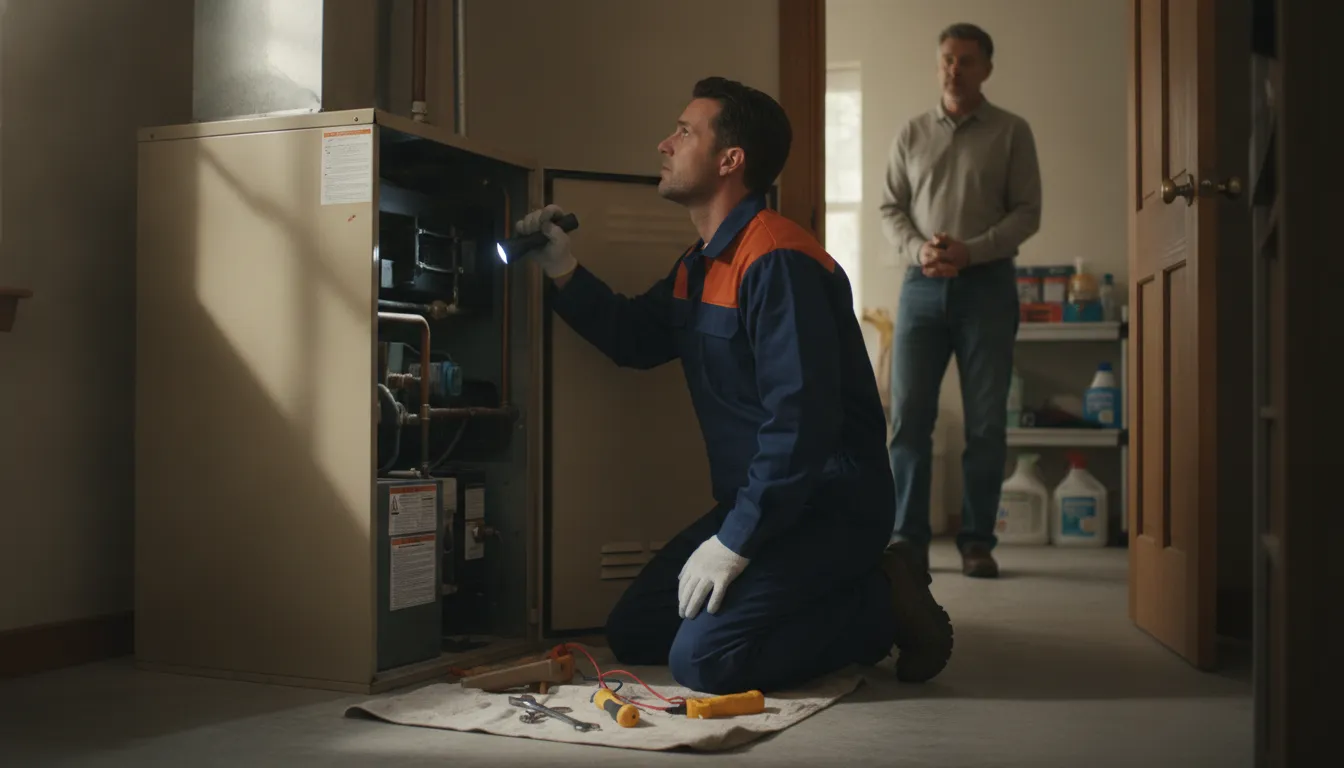
Rising Energy Bills and the Repair-or-Replace Decision
An unexplained increase in heating costs can be one of the more frustrating furnace warning signs. Energy prices change, and a cold month can increase usage, so a single bill is not enough to diagnose equipment failure. Look for a pattern that continues after accounting for weather, thermostat settings, occupancy, and utility-rate changes.
What to compare before deciding
Ask the technician to connect the energy concern to measurable equipment conditions. Useful questions include:
- Is the furnace reaching its expected operating temperature?
- Are the burner, blower, filter, and safety controls working correctly?
- Is the furnace properly sized for the home?
- Could duct leakage or restricted airflow be causing excessive run time?
- Would the proposed repair restore dependable service, or is another failure likely?
- What maintenance or replacement costs should be expected over the next few seasons?
Compare the total ownership picture rather than focusing only on the next invoice. A repair may be the sensible choice when the equipment is otherwise reliable and the failure is limited. Replacement may deserve consideration when repairs recur, comfort continues to decline, or a major component fails on an aging system.
For planning purposes, homeowners can also review the factors that affect the cost of a new furnace, including equipment selection, home requirements, installation conditions, and ductwork. The goal is not to force a replacement. It is to understand the available choices before an emergency removes your time to compare them.
Which Furnace Sounds and Safety Signals Need Immediate Attention?
Some furnace symptoms should not wait for a convenient appointment. Loud banging, scraping, grinding, repeated ignition attempts, burning odors, soot, or a yellow pilot flame can indicate a condition that needs professional attention. Turn the system off if it is operating unsafely, and do not remove panels or attempt a repair.
Gas and carbon monoxide concerns
If you smell gas, leave the home immediately and avoid switches, flames, and other ignition sources. From a safe location, contact emergency services or the appropriate gas emergency line. If a carbon monoxide alarm activates, leave the home and follow emergency guidance. Do not return or use the furnace again until the situation has been addressed and the equipment is professionally evaluated.
Headaches, dizziness, nausea, or breathing irritation can have many causes, but symptoms alongside a furnace concern should never be dismissed. A symptom alone cannot prove that a heat exchanger is cracked or that carbon monoxide is present. A professional inspection is the safe way to determine whether the furnace can be repaired, should be replaced, or should remain off.
Warning signs versus emergency conditions
| What you notice | Reasonable next step |
|---|---|
| One unusual noise with normal heat | Schedule an assessment before the issue worsens. |
| Repeated shutdowns or ignition failures | Stop relying on the furnace and arrange professional service. |
| Strong gas smell or active carbon monoxide alarm | Leave immediately and contact emergency responders or the gas emergency line. |
| Recurring repairs on an aging system | Compare the next repair with a replacement plan. |
How Indianapolis Homeowners Can Plan a Furnace Replacement
Planning before a complete breakdown gives you more control over the decision. A replacement assessment should connect the warning signs to equipment condition, ductwork, comfort needs, timing, and household priorities. It should not be a one-size-fits-all recommendation.
- Gather the service history. Note recent repairs, recurring symptoms, unusual sounds, energy changes, and rooms that do not heat well.
- Schedule a professional evaluation. Ask for the condition of the furnace, safety findings, likely repair life, and whether the system can reasonably handle another heating season.
- Review sizing and distribution. A new furnace should be matched to the home and duct system rather than selected only by the size of the old equipment.
- Compare practical options. Discuss efficiency, comfort control, maintenance, warranty coverage, installation conditions, and the expected service life of each option.
- Choose timing deliberately. If the furnace is unreliable, do not wait for the first severe cold spell to begin planning. A scheduled decision is easier than an emergency decision.
Armor Air emphasizes transparent recommendations, same-day service, and No Trip Charge Ever. A technician can explain whether repair, replacement, or additional diagnosis makes the most sense for your Indianapolis home. The company is closed Sundays for God and Family time, so planning ahead is especially useful when a system is showing repeated warning signs.
Call Armor Air at (317) 455-4448 for a clear furnace repair or replacement assessment.
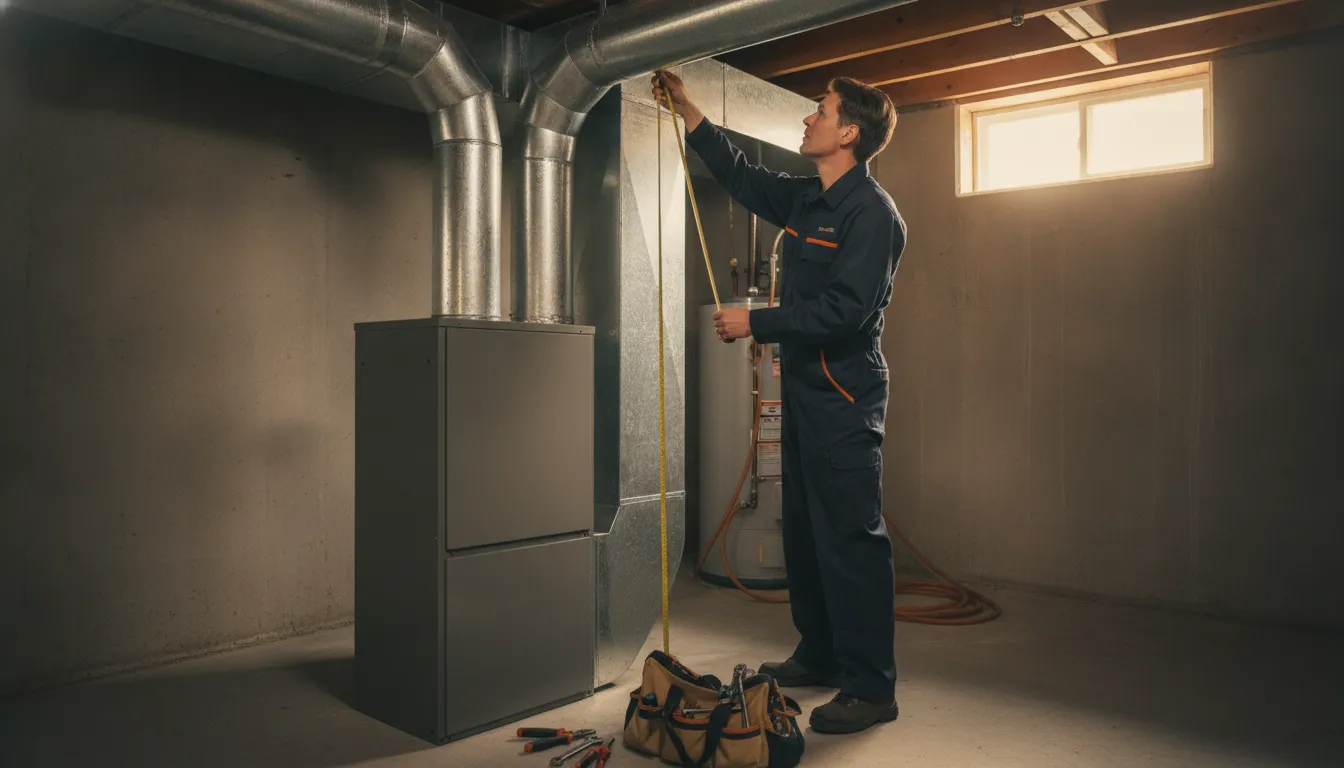
What a Professional Furnace Assessment Should Answer
A useful assessment should leave you with clear information, not pressure. Ask the technician to separate immediate safety concerns from longer-term replacement considerations and to explain which findings support each recommendation.
The visit should also clarify the condition of the surrounding system. A furnace may be operating correctly while a clogged filter, damaged duct, weak airflow, or thermostat issue creates poor comfort. Conversely, a furnace can appear to work while a worn component increases the risk of another shutdown. Knowing which problem is primary helps you avoid paying for a replacement that does not address the real cause.
Request the recommendation in plain language. You should understand what needs attention now, what can be monitored, what each option is expected to solve, and what questions remain open. When the information is clear, you can decide based on safety, comfort, reliability, and budget instead of reacting to a sales deadline.
Questions about repair
- What failed, and is the failure isolated?
- What other components show significant wear?
- How will the repair affect reliability through the next heating season?
- Are parts available and is the repair compatible with the age of the equipment?
Questions about replacement
- How will the new furnace be sized for the home?
- Does the ductwork need repair or adjustment?
- What efficiency and comfort differences should the household expect?
- What maintenance, warranty, and installation requirements apply?
These questions turn a vague concern into a decision you can explain. If the findings show that replacement is appropriate, Armor Air can help you review installation options. If repair is the better choice, a straightforward assessment should say that too. For related planning, see the guide to considering furnace installation before spring. Homeowners comparing project scope can also review the furnace replacement cost guide.
Frequently Asked Questions
What age should a furnace be replaced?
Age alone does not determine replacement. Consider age alongside repair frequency, safety, comfort, efficiency, parts availability, and whether the furnace can reliably heat the home. A technician can help compare the next repair with a replacement plan.
Is it worth repairing an older furnace?
It can be, especially when the failure is limited and the system has been dependable. Replacement deserves more attention when repairs recur, major components fail, comfort continues to decline, or the furnace presents a safety concern.
What are the early warning signs of furnace failure?
Early signs include unusual sounds, longer run times, frequent cycling, uneven heating, weak airflow, rising energy use, repeated service calls, and odors or soot. These symptoms can have several causes, so professional diagnosis matters.
Does a furnace need replacing if it runs all the time?
Not necessarily. Long run times can result from cold weather, a dirty filter, restricted airflow, duct losses, thermostat problems, insulation issues, incorrect sizing, or declining furnace performance. An assessment can identify the cause before replacement is recommended.
What is the 50% rule for furnace repair?
The 50% rule is a budgeting guideline, not a universal requirement. Some homeowners compare a repair that approaches half the cost of replacement with the equipment’s age, reliability, safety, and expected remaining life. A professional should explain the actual condition rather than applying a rule automatically.
Call Armor Air at (317) 455-4448 to schedule a same-day furnace assessment with No Trip Charge Ever.
Schedule a Furnace Assessment
If your furnace is showing several warning signs, you do not have to decide alone. Armor Air can evaluate the system, explain the repair-versus-replacement options, and help you plan the next step for your Indianapolis home.


