Heat Pump or Gas Furnace: What Fits Your In-Home Best
Choosing the right heat for an Indianapolis home matters more than many people think. Our weather swings from icy, windy winter days to muggy, sticky summers. Your system has to keep up through all of it, without making your energy bills climb out of control.
Most homeowners in our area end up looking at three main options: a heat pump, a gas furnace, or a dual-fuel setup that uses both. Below, we walk through how each type works in simple terms, how they feel in real Indiana weather, what they mean for comfort and energy use, and when it makes sense to combine them.
How Heat Pumps Keep Indianapolis Homes Comfortable
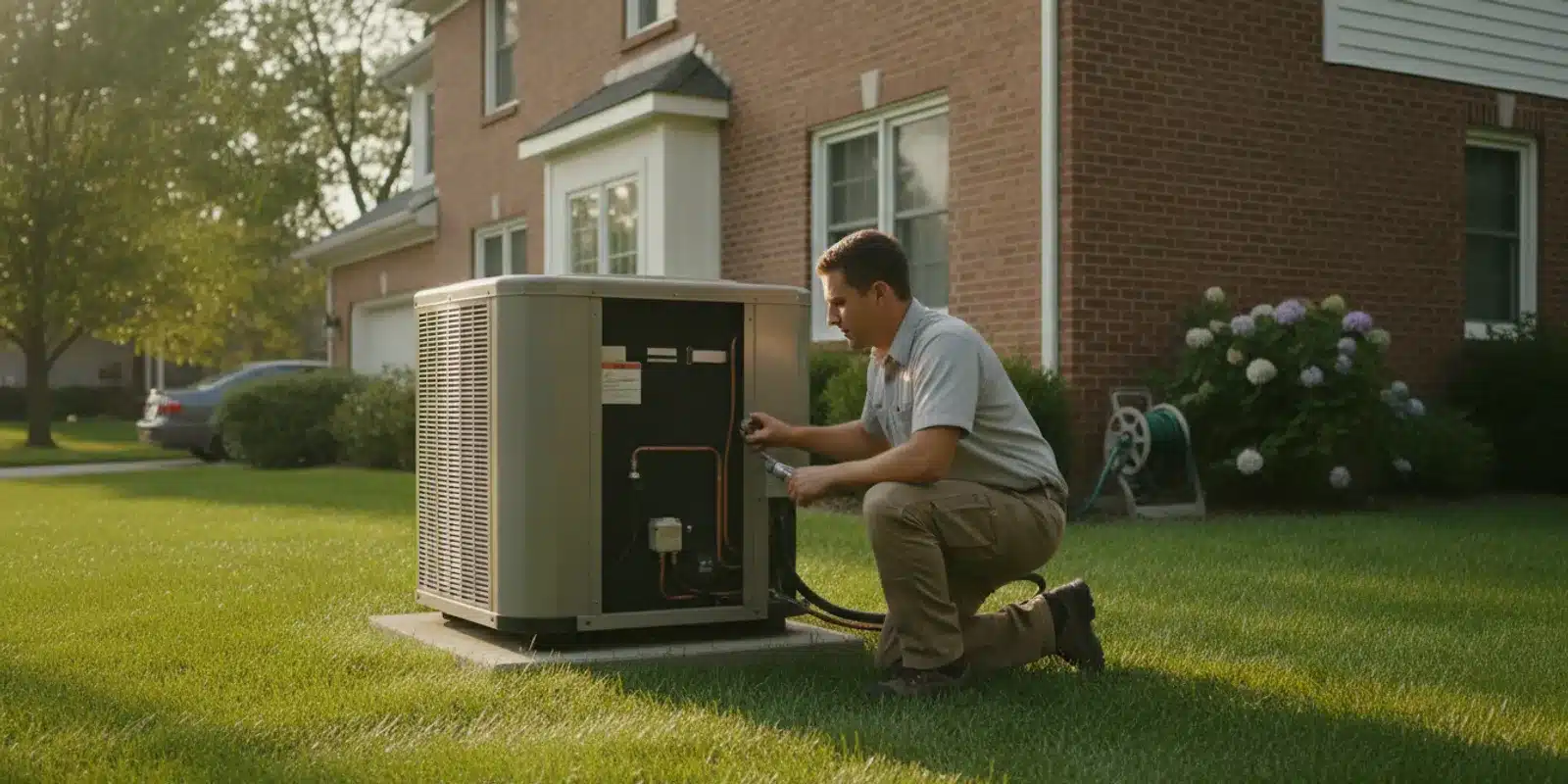
A heat pump works like a two-way air conditioner. In summer, it pulls heat out of your indoor air and sends it outside. In winter, it reverses and pulls heat from the outdoor air, bringing it inside. It moves heat instead of creating it, which is why it can be very efficient.
In Indianapolis, a heat pump can be a great match for:
- Mild winter days
- Cool but not freezing fall and spring days
- Homes that already rely mostly on electric power
Heat pumps shine in the “shoulder seasons” when it is chilly but not bitterly cold. On the coldest nights, many systems need help from backup heat so the home still feels cozy in every room.
A few simple benefits of a heat pump:
- One system can both heat and cool
- Often uses less energy than electric baseboards or space heaters
- Can replace an old air conditioner and work with a backup heater
A heat pump is usually a strong choice if you do not have natural gas at your home, if your house is already all-electric, or if you like the idea of one piece of equipment handling both heating and cooling.
Why Gas Furnaces Still Make Sense in Winter
A gas furnace is more old-school and straightforward. It burns natural gas to produce heat, then uses a fan to push the warm air through your ducts and vents.
In an Indianapolis winter, a gas furnace offers:
- Strong heat even during deep cold snaps
- Fast warm-up when the house feels chilly
- Warmer air blowing from vents than most heat pumps
Many families like that “toasty” feel from a gas furnace, especially in drafty rooms or older homes that lose heat quickly. As long as natural gas prices stay reasonable, it can be easier on winter energy use than electric resistance heat.
Gas furnaces also work very well with:
- Existing ductwork in most homes
- A standard central AC unit outside
- Larger homes that need steady, powerful heating
If your home tends to feel cold and drafty, or if you simply prefer that extra-warm air at the vents, a gas furnace can be a better fit than relying on a heat pump alone.
Dual-Fuel Systems and Plumbing Considerations
A dual-fuel heat pump system pairs a heat pump with a gas furnace and lets them trade off. On mild days, the heat pump runs because it uses less energy to move heat. When the outdoor temperature drops to a set point, the system automatically switches over to the gas furnace.
For Indianapolis homes, that brings a nice balance:
- The heat pump covers spring, fall, and many winter days efficiently
- The gas furnace takes over when it gets truly cold
- You get comfort similar to a full furnace setup without giving up heat pump savings
This type of system can be a smart upgrade if you are replacing both an older AC and a furnace at the same time. It still uses your existing ductwork and can pair with indoor air quality add-ons such as improved filters and whole-home humidifiers.
While you are thinking about heat, it is also a good time to look at plumbing comfort:
- Steadier indoor temperatures help protect pipes in basements, crawlspaces, and garages
- Very dry winter air can be hard on faucet finishes, seals, and even caulk over time
- Better heating and dehumidification help keep basements drier and more comfortable
In our area, sump pumps are crucial when snow melts and heavy spring rains arrive. A dry, warm basement plus a reliable sump pump is key to avoiding standing water and musty odors. If you are already planning HVAC service, it is also worth checking your water heater. If you notice less hot water, strange noises, or rusty-looking water, it might be time to replace it while other upgrades are happening, so your home is only disrupted once.
Comparing Systems and Timing Your Upgrades
Here is how a heat pump and gas furnace stack up for everyday comfort:
- A gas furnace usually heats up a cold house faster
- A heat pump can feel gentler, with longer cycles and more even temperatures
- On damp, chilly Indiana days, many people like the warmer vent air from a furnace
When you look at budget and energy use, think about:
- Upfront installation costs for each option
- What your monthly utility bills might do over the long run
- How long you plan to stay in your home, since that affects payback
Your home and lifestyle play a big role too:
- Do you have natural gas at the house?
- Is your home newer and fairly tight, or older and drafty?
- Do you mind slightly cooler airflow from vents, or do you want that “hot blast” feel?
- Do you like one system for both jobs, or separate AC and furnace units?
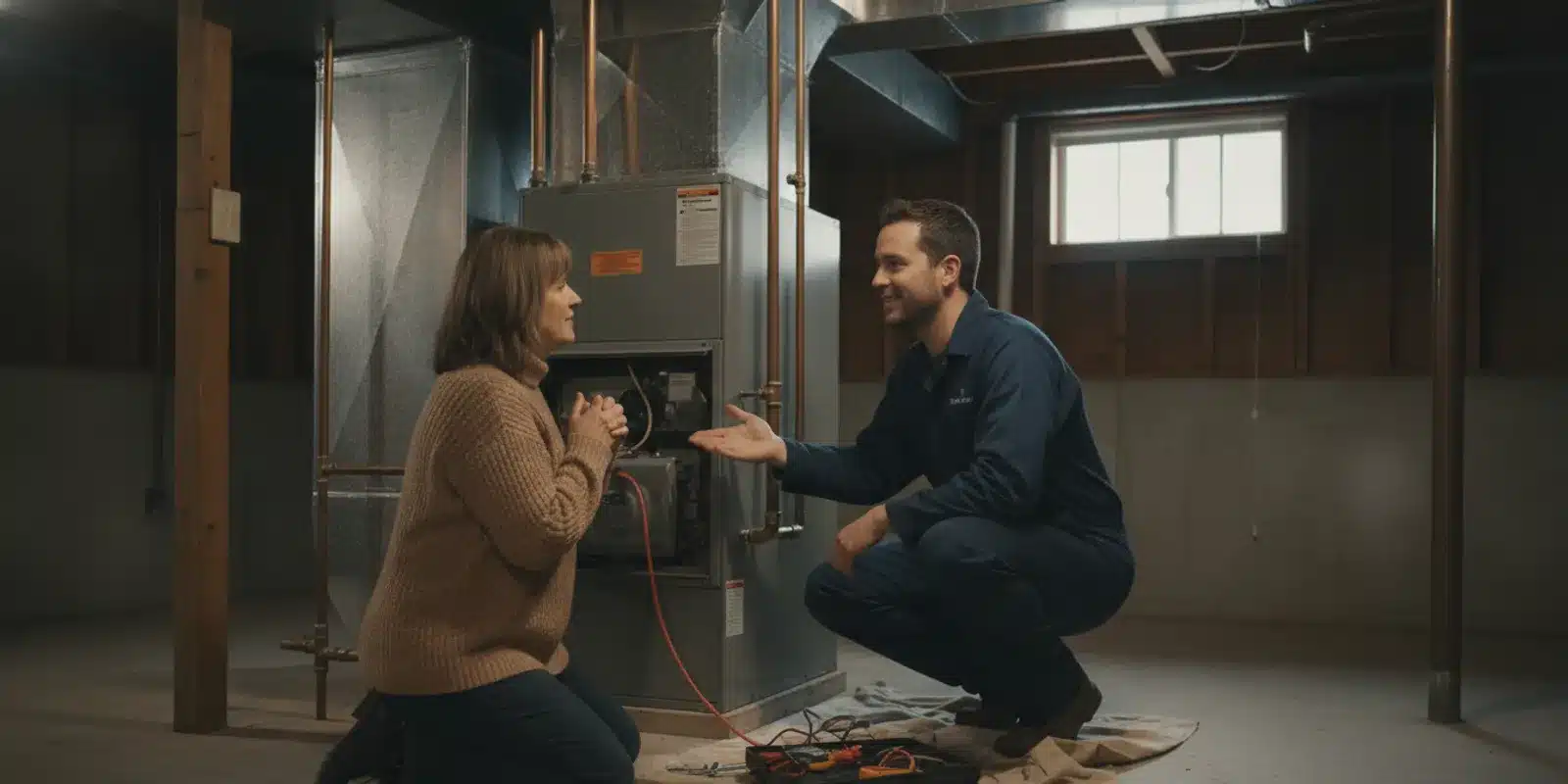
Early spring is often a smart time to sort this out. There is less pressure than in peak summer or deep winter, and scheduling tends to be easier before AC season picks up. A heat pump maintenance professional right-sizes a heat pump or furnace, inspects your ductwork, and spots plumbing risks such as aging water heaters or overworked sump pumps. If your heater is older, has not been serviced in a while, or has had recurring issues, it is worth looking into more closely. The same goes for slow drains, a sump pump that cycles often, or hot water that runs out too fast.
Schedule service to compare options, check existing equipment, and plan any upgrades on a timeline that works for you.
FAQs About Heat Pumps and Gas Furnaces in Homes
Q: Is a heat pump enough for an Indianapolis winter, or do I still need a furnace?
A: In many well-insulated homes, a properly sized heat pump can handle most winter days. However, when outdoor temperatures drop well below freezing, backup heat or a dual-fuel setup with a gas furnace often gives better comfort and peace of mind.
Q: How is a heat pump different from a regular air conditioner?
A: A regular air conditioner only cools your home in summer. A heat pump can both cool and heat: it removes heat from indoors in summer and brings heat inside from the outdoor air in winter, so it works year-round.
Q: What is a dual-fuel system, and does it really save money in Indiana?
A: A dual-fuel system uses a heat pump for mild weather and a gas furnace for colder weather. In Indiana, this can lower energy use during spring and fall while still providing strong, reliable heat during the coldest weeks of winter.
Q: How long do heat pumps and gas furnaces usually last in our climate?
A: With yearly professional maintenance, many heat pumps last around 10, 15 years, and many gas furnaces last around 15 to 20 years. Actual lifespan depends on the equipment, how often it runs, and how well it is maintained.
Q: Will a new heat pump or furnace lower my energy bills right away?
A: Many homeowners see lower bills compared to older, less efficient equipment, especially if their current system is over 10 to 15 years old. Results depend on your home’s insulation, ductwork, thermostat settings, and how you use the system.
Q: Should I replace my AC at the same time as my gas furnace or heat pump?
A: Replacing both together can improve comfort, keep efficiency levels matched, and reduce the chance of one older unit stressing the new one. It can also reduce repeated installation visits and disruptions.
Q: Do I need to upgrade my ductwork when I switch to a heat pump?
A: Not always. Many homes can use existing ducts, but they should be sized, sealed, and insulated correctly. A professional can check airflow and let you know if any adjustments would improve comfort or efficiency.
Q: When should I think about replacing my water heater if I am already updating my heating system?
A: Consider replacement if your water heater is 10 to 15 years old, runs out of hot water often, makes popping or rumbling noises, leaks, or shows rust on the tank or in the water. Doing this during heating upgrades can limit how often your home is disrupted.
Q: How does my heating choice affect my sump pump and basement moisture?
A: A properly sized heating and cooling system can help control humidity and keep basements more comfortable. Drier air supports what your sump pump is already doing by reducing dampness, odors, and the risk of moisture-related problems.
Q: How often should I schedule service for my heater, heat pump, and plumbing systems?
A: Schedule service for heating and cooling systems at least once a year, ideally before peak season. Plumbing inspections, including checks of sump pumps and water heaters, are helpful every year or two, or whenever you notice changes such as slow drains, unusual noises, or water around equipment.
Schedule service to keep your heat pump, gas furnace, and plumbing systems running smoothly year-round.
Upgrade Your Comfort With a High-Efficiency Heat Pump
If you are ready to improve comfort and control your energy costs, we can help you choose and install the right heat pump for your home. Our team at Armor Air will walk you through your options, answer your questions, and schedule service at a time that works for you. Get in touch today to discuss your project or request a quote, or simply contact our heat pump specialists to get started.