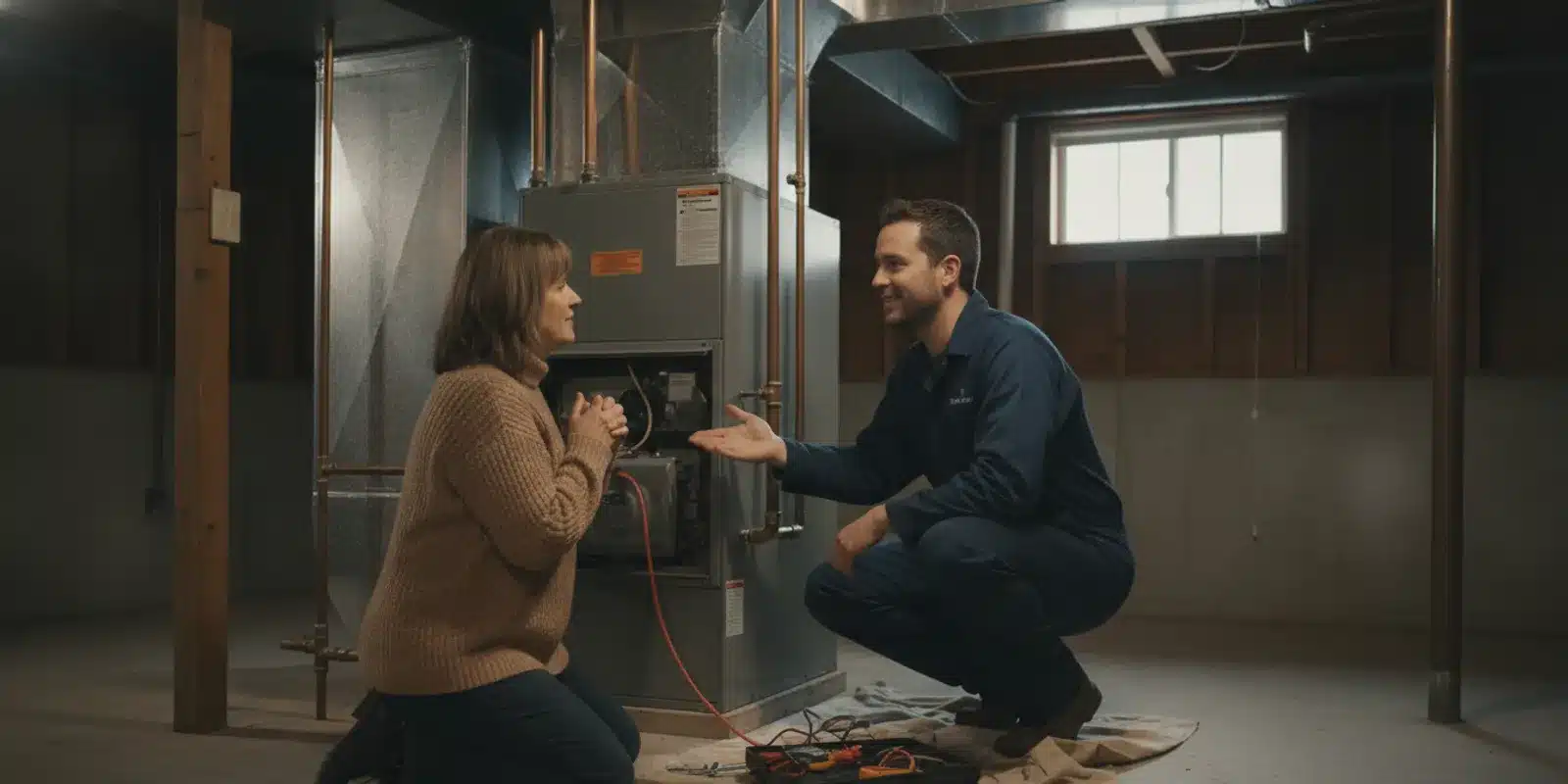
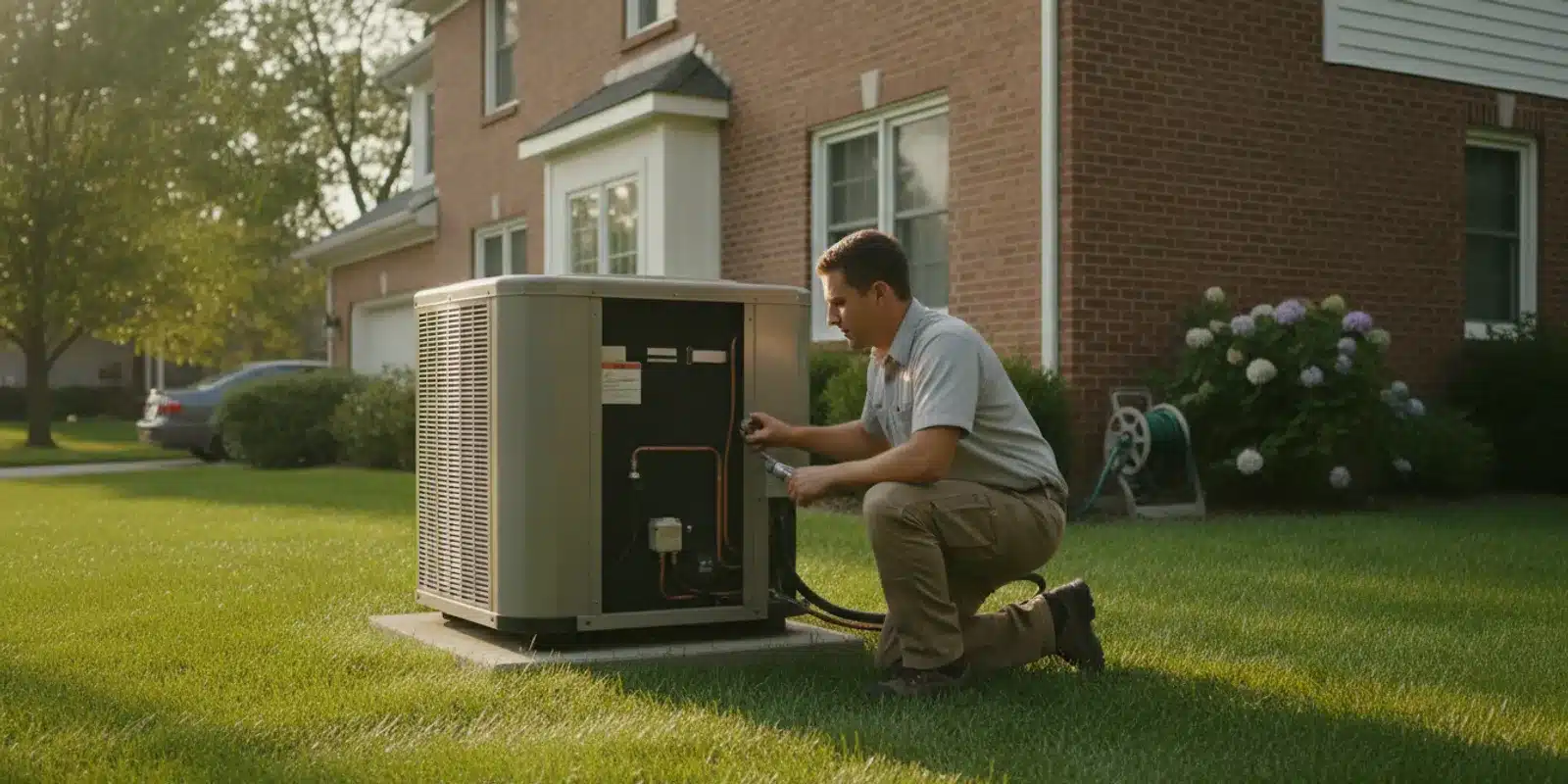
An AC tune-up is more than a quick look at your thermostat. During a professional maintenance visit, a technician evaluates the parts that affect cooling, airflow, efficiency, and reliability before Indiana’s hottest days arrive.
When homeowners ask, “air conditioner tune up what is included,” the answer is a detailed inspection, cleaning, performance check, and minor optimization of key components such as the filter, coils, fins, refrigerant lines, and condensate system. Regular maintenance supports efficient operation, while neglect can reduce performance and increase energy use, according to the U.S. Department of Energy.
Call Armor Air at (317) 455-4448 to schedule your AC tune-up today.
That preventive attention can also help identify developing problems before they become an uncomfortable breakdown. Here is why scheduling maintenance before summer matters for Indianapolis homeowners and what a thorough visit should accomplish.
Why AC Tune-Ups Matter Before Summer in Indiana
Indianapolis summers bring long stretches of heat and humidity, so your air conditioner may run for hours at a time. Waiting until the first hot afternoon to discover a weak capacitor, restricted airflow, or poor electrical connection can leave your household uncomfortable when repair schedules fill quickly. A tune-up in spring gives a qualified technician time to evaluate the system before it is working at peak seasonal demand.
The U.S. Department of Energy explains that regular maintenance of an air conditioner’s filters, coils, fins, and refrigerant lines is essential for efficient performance. When maintenance is neglected, performance can decline while energy use increases. A system that has to work harder to move heat out of your home may cool less consistently and cost more to operate. The Department of Energy’s AC maintenance guidance reinforces why these components deserve professional attention.
Prevent small problems from becoming summer breakdowns
A professional inspection can identify wear, dirty components, drainage concerns, and other developing issues while there is still time to plan the next step. A tune-up will not prevent every repair, but it can reduce avoidable surprises and help you make an informed decision before an emergency develops. If your system is already struggling, Armor Air can help with HVAC repair in Indianapolis.
Support a longer equipment life
Annual maintenance is also an investment in the equipment itself. Lennox notes that an annual tune-up performed by a qualified technician can keep an air conditioner operating at peak performance and increase its life expectancy. Keeping airflow moving, electrical parts operating properly, and key components clean may help reduce unnecessary strain over time.
Armor Air’s 21-point inspection is designed to give Indianapolis homeowners a thorough starting point before cooling season. The visit includes system inspection, performance optimization, filter attention, and cleaning as appropriate. You can explore Armor Air’s heating and cooling services or broader air conditioning services to understand available support. With NO TRIP CHARGE EVER on service calls, scheduling preventative care before summer can be a practical way to protect comfort and plan ahead.
What Is Included in an Air Conditioner Tune Up: Armor Air’s AC Maintenance Checklist
Armor Air’s maintenance visit is a detailed inspection and cleaning, not a quick glance at the outdoor unit. A technician follows a 21-point HVAC system inspection, then checks system performance and explains any concern in plain language. A professional tune-up commonly takes 60 to 90 minutes. The visit may involve 26 or more procedures, depending on the equipment and its condition. Here is what the visit typically includes:
- Inspect the system and replace the filter. The technician checks the indoor and outdoor components, confirms the filter is clean and properly fitted, and replaces it when needed. The U.S. Department of Energy explains that dirty, clogged filters reduce airflow and system efficiency. The visit also includes measuring airflow so problems are not missed simply because the thermostat appears to be working.
- Clean the evaporator coil. The indoor evaporator coil absorbs heat from your home. The technician inspects it and cleans it as necessary to support proper airflow and heat absorption. The Department of Energy recommends that this work be handled by a qualified HVAC contractor. You can read more about Armor Air’s air conditioning services if your system needs repair or replacement.
- Clean the condenser and check the surrounding area. At the outdoor unit, the technician removes dirt and foliage that can restrict airflow. The Department of Energy recommends keeping foliage at least two feet away from the condenser. This is especially useful in Indiana, where seasonal growth, grass clippings, and leaves can collect around the unit.
- Protect airflow through the coil fins. Aluminum fins can bend and block airflow. When needed, the technician uses a fin comb to straighten them carefully, helping the condenser release heat more effectively without damaging the coil.
- Clear the condensate drain. The technician checks the drain channel and clears buildup that could cause a clog. A blocked condensate drain can lead to water damage around the indoor equipment. This small maintenance step protects both performance and your home.
- Test the refrigerant and electrical systems. The visit includes checking refrigerant levels, electrical connections, and safety-related components. The technician also calibrates the thermostat and verifies that the system starts, cycles, and responds correctly. These checks can reveal a developing issue before it becomes an unexpected breakdown.
Armor Air documents the inspection, optimization, filter service, and cleaning as part of its 21-point approach. For a broader look at local heating and cooling services, homeowners can review the full service options before scheduling maintenance.
Source: U.S. Department of Energy air conditioner maintenance guidance.
How Often Should You Service Your Air Conditioner
For most Indianapolis homeowners, schedule professional AC maintenance at least once a year. Armor Air recommends an annual tune-up in spring, before the first sustained stretch of hot weather. That timing gives a technician an opportunity to check the system while demand is lower, rather than waiting until your air conditioner is working at full capacity during a heat wave.
Some HVAC professionals recommend two appointments each year: one before cooling season and another before heating season. That approach can make sense when one service visit covers the air conditioner and another covers the furnace, or when a system is older, heavily used, or showing recurring problems. At a minimum, annual inspection is a practical baseline for maintaining reliable operation. Professional guidance recommends inspecting heating and air conditioning equipment at least once a year.
Why spring service matters in Indianapolis
Indianapolis weather can shift quickly from mild spring temperatures to extended summer heat. If a weak capacitor, restricted airflow, dirty coil, or drainage issue is discovered during a spring visit, you have time to address it before the system is urgently needed. Regular maintenance also helps reduce the risk that a small problem turns into an emergency repair, while supporting efficient performance.
A tune-up does not guarantee that a component will never fail. But it gives you a clearer picture of the system’s condition and a chance to make informed repair decisions. If your air conditioner is already struggling, review this AC not cooling troubleshooting guide, then schedule service rather than continuing to run a system that may be under stress.
When to schedule more often
- Your system runs for long periods or serves a large or especially warm part of the home.
- You notice weak airflow, unusual sounds, water near the indoor unit, or inconsistent temperatures.
- The equipment is older, has a history of breakdowns, or was not maintained last year.
Armor Air can arrange same-day service when a spring tune-up uncovers an issue that needs attention. For broader heating and cooling services in Indianapolis and nearby communities, call (317) 455-4448. Armor Air’s NO TRIP CHARGE EVER policy helps you address concerns before they become a larger disruption.
DIY Checks vs Professional Maintenance: Where the Line Is
Homeowners can handle a few safe maintenance tasks between service visits. Those simple checks support airflow and help the system work efficiently, but they are not the same as a complete inspection. The U.S. Department of Energy recommends regular filter care, debris removal, and keeping vegetation away from the outdoor condenser. See the HVAC preventative maintenance checklist for a practical reminder of these tasks.
| Task | DIY | Professional Needed |
|---|---|---|
| Air filter care | Replace or clean the filter regularly, following the filter manufacturer’s instructions. | Evaluate airflow and confirm the filter is not masking a larger restriction. |
| Outdoor condenser area | Remove leaves and debris, and trim foliage at least two feet away from the unit. | Clean the coil thoroughly and inspect the cabinet and surrounding components. |
| Drain channels | Keep accessible drain channels clear and watch for signs of blockage or water. | Clear and evaluate the condensate system when a clog, overflow, or recurring moisture problem is present. |
| Coils and fins | Do not bend fins or attempt to clean concealed coils with improvised tools. | Inspect and clean the evaporator coil, clean the condenser coil, and straighten bent fins with a fin comb when needed. |
| Refrigerant and electrical systems | Do not open sealed refrigerant circuits or work inside electrical panels. | Check refrigerant operation, electrical safety, connections, and system controls. |
| System performance | Notice unusual sounds, weak airflow, odors, leaks, or changes in cooling. | Measure airflow, evaluate the blower, inspect the full system, and identify developing faults. |
A professional evaluation takes about 60 to 90 minutes and can include more than 26 procedures, according to the documented tune-up process from Service Champions. Armor Air’s tune-up includes a 21-point HVAC system inspection, cleaning, filter attention, and performance optimization. A homeowner can see a dirty filter or leaves around the condenser, but cannot safely verify refrigerant performance, electrical conditions, blower operation, coil condition, or measured airflow without specialized training and equipment. That broader evaluation is the practical answer to air conditioner tune up what is included: more than a quick visual check.
If you need help with the professional side of maintenance, explore Armor Air’s heating and cooling services. For Indianapolis homeowners, the safest approach is to handle the simple exterior checks and leave refrigerant, electrical, coil, fin, blower, and airflow work to a qualified technician.
Sources: U.S. Department of Energy air conditioner maintenance guidance and Service Champions tune-up procedure overview.
Combining Your AC and Furnace Tune-Up Under the Shield Protection Plan
Maintaining your air conditioner and furnace separately can make it easy to forget one of them. Armor Air’s Shield Protection Plan brings both seasonal systems under one $14.99-per-month plan. This helps Indianapolis homeowners keep up with routine care without scheduling and budgeting for two separate maintenance programs.
One plan for year-round heating and cooling care
The plan includes annual maintenance visits for both your AC and furnace. That means your cooling system can be checked before the summer workload, while your furnace receives attention before Indiana’s heating season. Annual maintenance includes system inspection, performance optimization, filter replacement, and cleaning. Regular professional care can also help extend equipment life and identify small problems before they turn into emergency repairs.
It is a practical way to care for the complete system that keeps your home comfortable. You can learn more about Armor Air’s heating and cooling services and how the maintenance visits fit into your home’s needs.
More predictable costs and service benefits
Paying separately for an AC tune-up and a furnace tune-up can cost roughly $100 to $200 per visit, depending on the provider and service details. A plan that includes both annual tune-ups may make maintenance easier to budget while reducing the temptation to postpone one system’s care. The value is not just the visit itself. Finding worn or failing components early can help you avoid the disruption and expense of an unexpected breakdown.
Shield members also receive priority scheduling and Armor Air’s NO TRIP CHARGE EVER promise. If a tune-up uncovers a repair need, qualifying projects may be eligible for 0% financing for 12 months through Armor Air’s available financing program. The plan does not replace needed repairs, but it gives you a more organized path to catching issues and deciding what to do next.
For homeowners who want one straightforward maintenance plan for both heating and cooling, Shield Protection Plan coverage keeps preventive care on the calendar and supports Armor Air’s We Do What’s Right approach.
Frequently Asked Questions
What is included in an AC maintenance visit?
A professional visit typically includes inspecting the indoor and outdoor coils, checking airflow, examining electrical components, reviewing refrigerant levels, cleaning accessible components, clearing the condensate drain, and testing system operation. Armor Air’s tune-ups include a 21-point HVAC system inspection, optimization, filter attention, and cleaning so the technician can identify developing problems before they become an emergency.
How long does an air conditioner tune-up take?
A thorough professional tune-up commonly takes 60 to 90 minutes, depending on the system’s condition, accessibility, and whether cleaning or minor corrections are needed. A technician should explain any additional work before proceeding.
How often should Indianapolis homeowners schedule AC maintenance?
Schedule maintenance at least once a year, ideally before Indianapolis cooling demand rises in late spring. Annual service gives the technician a chance to catch restricted airflow, dirty coils, drain issues, or electrical wear before the system is working hardest. If your equipment has recurring problems or runs heavily, ask whether a second seasonal inspection makes sense.
Can I perform an air conditioner tune-up myself?
You can handle basic upkeep, such as replacing the filter and removing leaves or grass around the outdoor unit. Keep foliage at least two feet away for adequate airflow. Coil cleaning, refrigerant checks, electrical testing, and drain work should be left to a qualified HVAC professional because incorrect service can damage the equipment or create a safety risk.
What should I do if my AC is not cooling after maintenance?
Turn the system off if it is making unusual sounds, leaking water, or repeatedly tripping a breaker. Then schedule professional service. Avoid opening electrical panels or adding refrigerant yourself. A technician can test the system under operating conditions, identify the cause, and explain repair options clearly before work begins.
Schedule Your Indianapolis AC Tune-Up
Regular maintenance can help your air conditioner run more efficiently and give you a clearer view of its condition before the next hot spell. Schedule your AC tune-up today with Armor Air and get straightforward guidance from a trusted local team.
Call (317) 455-4448 to schedule your AC tune-up.