Indiana homeowners often notice an air conditioner aging gradually: cooling takes longer, monthly energy use creeps up, and small repairs become more frequent. Because summer heat and humidity can put steady demand on a system, knowing what is normal helps you plan instead of waiting for a breakdown.
If you are asking how long does a central air conditioner last, most systems are built to provide 15 to 20 years with proper maintenance. But Indiana homeowners often see about 10 to 15 years of dependable service. Climate, installation quality, usage, and neglected maintenance can all shorten that range.
Age alone does not tell the whole story. A well-maintained system may have useful life remaining, while an improperly sized or frequently repaired unit may be nearing replacement sooner. The sections ahead explain how Indiana’s climate affects longevity, which warning signs matter, and how routine care can help you get more from your central air conditioning system.
Call Armor Air at (317) 455-4448 for same-day AC service or a replacement consultation.
How Long Does a Central Air Conditioner Last in Indiana’s Climate?
Most central air conditioners last about 15 to 20 years when they are correctly installed and consistently maintained. In Indiana, however, a realistic planning range is often closer to 10 to 15 years. That difference is not a guarantee that your system will fail early. It reflects the added workload created by Indianapolis-area weather, including humid summers, long cooling seasons, and winter freeze-thaw cycles that can affect outdoor equipment.
Independent guidance from Constellation places central air conditioner life expectancy at 12 to 17 years. That range fits many Indiana homes better than assuming every unit will reach 20 years. A system that receives professional care and operates under favorable conditions may last longer. While one exposed to heavy use, restricted airflow, or installation problems may need replacement sooner.
Why Indiana weather can shorten AC life
Summer humidity forces your air conditioner to work harder to cool and dehumidify the home. The outdoor condenser also cycles through intense heat, rain, and seasonal temperature changes. Over time, that repeated stress can reduce equipment life by roughly 2 to 4 years compared with operation in a milder climate. According to competitor research reviewed for this guide.
Usage matters, too. A system that runs nearly nonstop because of poor insulation, airflow restrictions. Or an overly aggressive thermostat setting experiences more wear than one that can satisfy the thermostat efficiently.
Installation quality matters as much as equipment age
Even a high-quality air conditioner can have a shortened service life if it is incorrectly sized. An oversized unit may cycle on and off too frequently, while an undersized unit can run for extended periods without keeping the home comfortable. Competitor data reviewed for this article indicates that incorrect sizing can reduce an AC system’s life by approximately 3 to 5 years. A professional load calculation and careful installation help the system run at the right capacity, manage humidity, and avoid unnecessary strain.
For more information about keeping your home comfortable through the season, review Armor Air’s Indianapolis air conditioning services and have an aging system evaluated before a hot-weather breakdown.
Signs Your AC Is Aging Out
An air conditioner rarely fails without warning. Knowing which signs point to an aging system helps you decide whether to repair or replace before a midsummer breakdown. Here are the most common indicators that a central air conditioner is reaching the end of its useful life:
- Age over 10 to 15 years. The average lifespan of a central AC unit is 10 to 15 years. Once your system passes that threshold, replacement is worth discussing even if it still runs.
- Frequent or costly repairs. A general guideline often called the $5,000 rule says: multiply your system’s age by the repair cost. If the result exceeds $5,000, replacement is usually more economical. For example, a $600 repair on a 12-year-old unit equals $7,200, suggesting replacement makes more sense.
- R-22 refrigerant. If your system uses R-22 (Freon), production and importation were phased out in 2020. Recharging an R-22 leak has become expensive because remaining supplies are limited. Upgrading to a system using R-410A or a newer approved refrigerant avoids this cost over time.
- Rising energy bills. A 10-year-old unit that is still running may be operating far below modern efficiency standards. Replacing an older system with a newer, more efficient model can reduce cooling energy costs by 20 to 40 percent.
- Uneven cooling and poor airflow. If some rooms stay warmer than others or the system struggles to maintain a consistent temperature, the AC may be losing capacity or the ductwork may need attention.
- Strange noises or odors. Grinding, squealing, or rattling from the outdoor unit can point to mechanical failure. Musty smells may indicate mold or moisture issues inside the system.
If you recognize several of these signs, it is worth having a professional evaluate your system. Our guide on whether to repair or replace an air conditioner can help you compare your options.
How Maintenance Extends AC Lifespan
Regular maintenance is one of the most effective ways to help a central air conditioner reach or exceed its expected lifespan. Industry research shows that consistent professional tune-ups and basic home care can add an estimated 3 to 5 years of healthy operation. Here is a practical maintenance routine for Indiana homeowners:
- Change the air filter every 1 to 3 months. A dirty filter restricts airflow, forcing the system to work harder and increasing wear on the blower motor and compressor. During summer months when the AC runs daily, check the filter monthly.
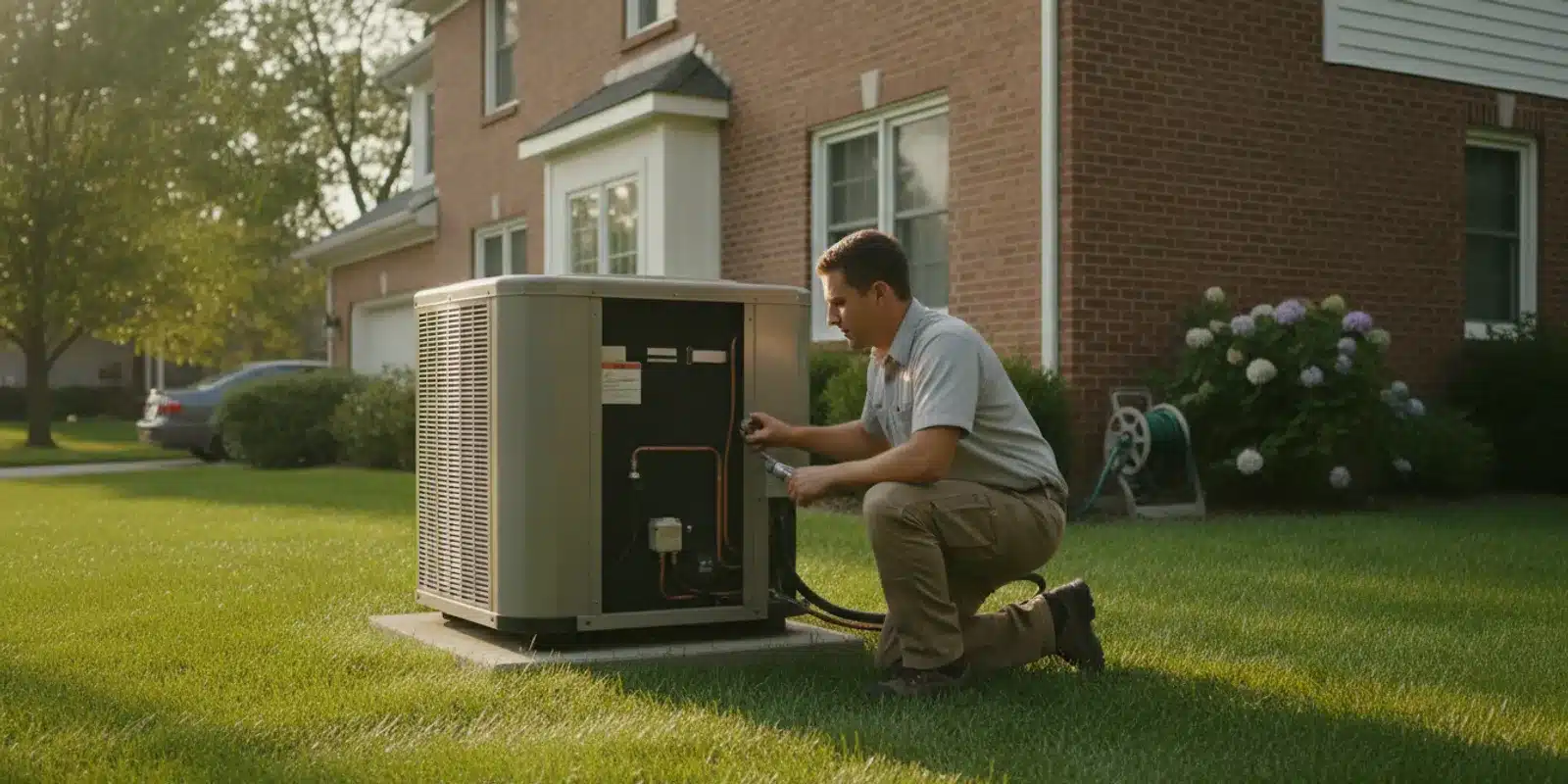
- Keep the outdoor condenser clear. Trim vegetation at least 2 feet from the unit and remove leaves, grass clippings, and debris that can block airflow. Check the area after mowing or storms.
- Schedule annual professional maintenance. A technician inspects the refrigerant level, cleans the evaporator and condenser coils, checks electrical connections, and tests system performance. Early detection of small problems prevents them from turning into expensive failures.
- Monitor airflow through vents. Ensure furniture, curtains, or rugs are not blocking supply vents or return registers. Restricted return airflow starves the system and reduces efficiency.
- Consider a protection plan for consistent care. Armor Air’s Shield Protection Plan covers annual tune-ups, priority service, and a 15% discount on repairs for $14.99 per month. Consistent professional care is the single most impactful step you can take to prolong your AC unit’s lifespan.
For a full breakdown of seasonal care, see our HVAC preventative maintenance checklist.
When to Start Planning for Replacement vs Waiting for Failure
Waiting for an air conditioner to fail on the hottest day of the year is the most stressful and expensive way to replace it. Proactive planning gives you control over timing, equipment selection, and financing. Here is why starting the conversation early matters for Indiana homeowners:
- Emergency replacements cost more. When a system fails mid-summer, you may not have time to compare quotes, choose the right efficiency level, or schedule installation at a convenient time. Emergency service calls also carry premium rates.
- Replacement costs in range. Central air conditioner installation in Indianapolis typically costs between $7,000 and $20,000 depending on system size, efficiency rating, and complexity. Armor Air offers 0% financing for 12 months through Service Finance / Hearth to help manage the investment.
- Trade-in programs reduce the cost. Armor Air’s HVAC buyback program can credit up to $1,895 toward a new system, making proactive replacement more affordable than waiting for an emergency.
- Off-season timing advantages. Spring and fall offer more flexible scheduling, better equipment availability, and often more competitive pricing than peak summer months.
- The $5,000 rule as a trigger. When the estimated repair cost multiplied by the system’s age exceeds $5,000, replacement is typically the better long-term choice.
Read our Indianapolis AC installation cost guide for a detailed breakdown of pricing, financing, and what to expect during a replacement project. If your system is approaching 10 to 15 years old, scheduling a professional evaluation now gives you months of lead time instead of hours.
What Is an HVAC Lifespan You Can Actually Expect?
Published lifespan ranges are useful, but Indiana homeowners should plan around the local climate rather than the best number on a manufacturer brochure. Humid summers can push an air conditioner hard, while winter freeze-thaw cycles affect outdoor equipment and connections. For most homes, 10 to 15 years is a realistic planning range for a central AC system. With excellent installation, appropriate use, and consistent maintenance, some systems can reach 18 to 20 years. Industry guidance commonly places central AC service life around 15 to 20 years under favorable conditions. While one broader estimate puts central AC units at 12 to 17 years.
| Equipment | Typical planning range | What changes the outcome |
|---|---|---|
| Central air conditioner | 10-15 years in Indiana; 18-20 years in a best-case scenario | Installation quality, maintenance, runtime, climate, and correct sizing |
| Furnace | About 15-20 years | Heat exchanger condition, maintenance, airflow, and installation quality |
Why the AC and furnace may not age together
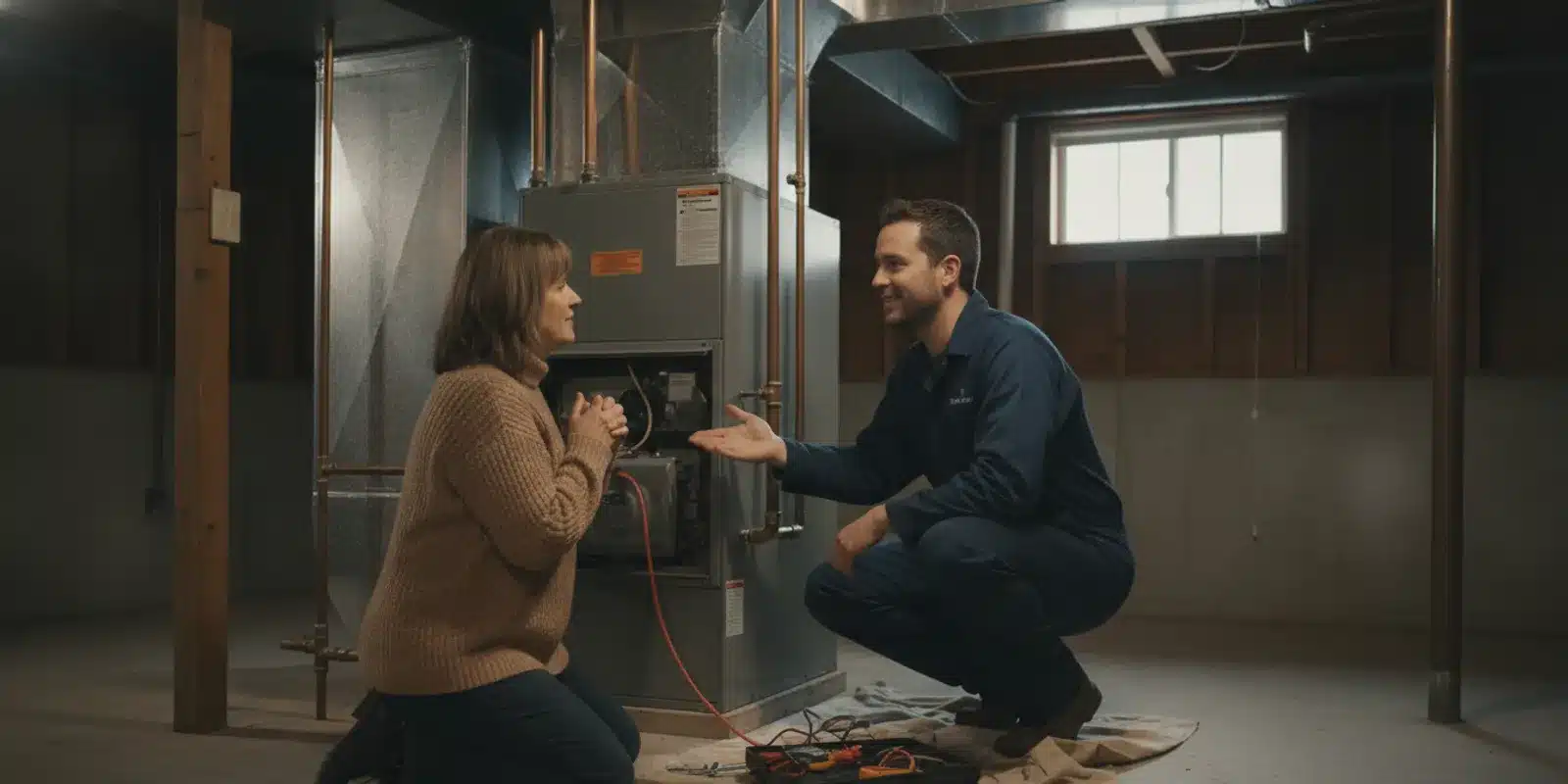
A furnace commonly lasts 15 to 20 years, so it may outlast the AC unit serving the same home. That does not mean you must automatically replace both at once. However, replacing matched equipment together can simplify installation, improve system compatibility, and avoid paying for two major projects close together. An HVAC professional can compare the age, condition, efficiency, and repair history of each component before recommending a path.
Installation matters as much as equipment choice
Proper sizing starts with a room-by-room load calculation, not a guess based only on square footage. An incorrectly sized system may cycle too often or run excessively, increasing wear and potentially reducing its life by three to five years. Newer systems also use higher SEER2 efficiency ratings, but efficiency only delivers value when the equipment is correctly sized, installed, and maintained. That is why a realistic replacement discussion should consider the whole system, not just the equipment label.
Frequently Asked Questions
How long does a central air conditioner typically last?
Most central air conditioners last about 15 to 20 years when they are properly installed and maintained. In Indiana, humid summers, winter temperature swings, system age, and daily cooling demand can shorten that range. A unit’s service history and current performance matter as much as its installation date.
What factors affect the lifespan of a central air conditioner?
Climate, installation quality, system sizing, usage, and maintenance all play a role. An oversized or undersized unit may cycle improperly, while restricted airflow forces the system to work harder. Regular filter changes, clear outdoor airflow, and professional inspections help address small problems before they become major failures.
Can I extend the life of my central air conditioner?
Yes. Replace the air filter every one to three months, keep leaves and grass away from the outdoor condenser, and schedule professional maintenance each year. Regular tune-ups can add an estimated three to five years of healthy operation, according to the assigned industry research.
When should I consider replacing my central air conditioner?
Start planning when the system is more than 10 to 15 years old, needs repeated repairs, produces uneven cooling, or causes unexplained energy-bill increases. Replacement is also worth discussing when a major repair approaches half the cost of a new system. Planning before total failure gives you more choices.
Does an older R-22 system have to be replaced immediately?
No. The EPA says there is no requirement to replace an existing R-22 system solely because of the refrigerant phaseout. However, R-22 availability and repair economics may make replacement more practical after a significant leak or compressor failure. A qualified technician can compare repair and replacement options.
Ready to Plan Your AC’s Next Step?
If your central air conditioner is showing signs of age, an evaluation can help you understand whether maintenance, repair, or replacement makes the most sense for your home. Armor Air can help you review your options without pressure. Call (317) 455-4448 to schedule an AC evaluation or discuss a free replacement quote. Schedule a consultation online.