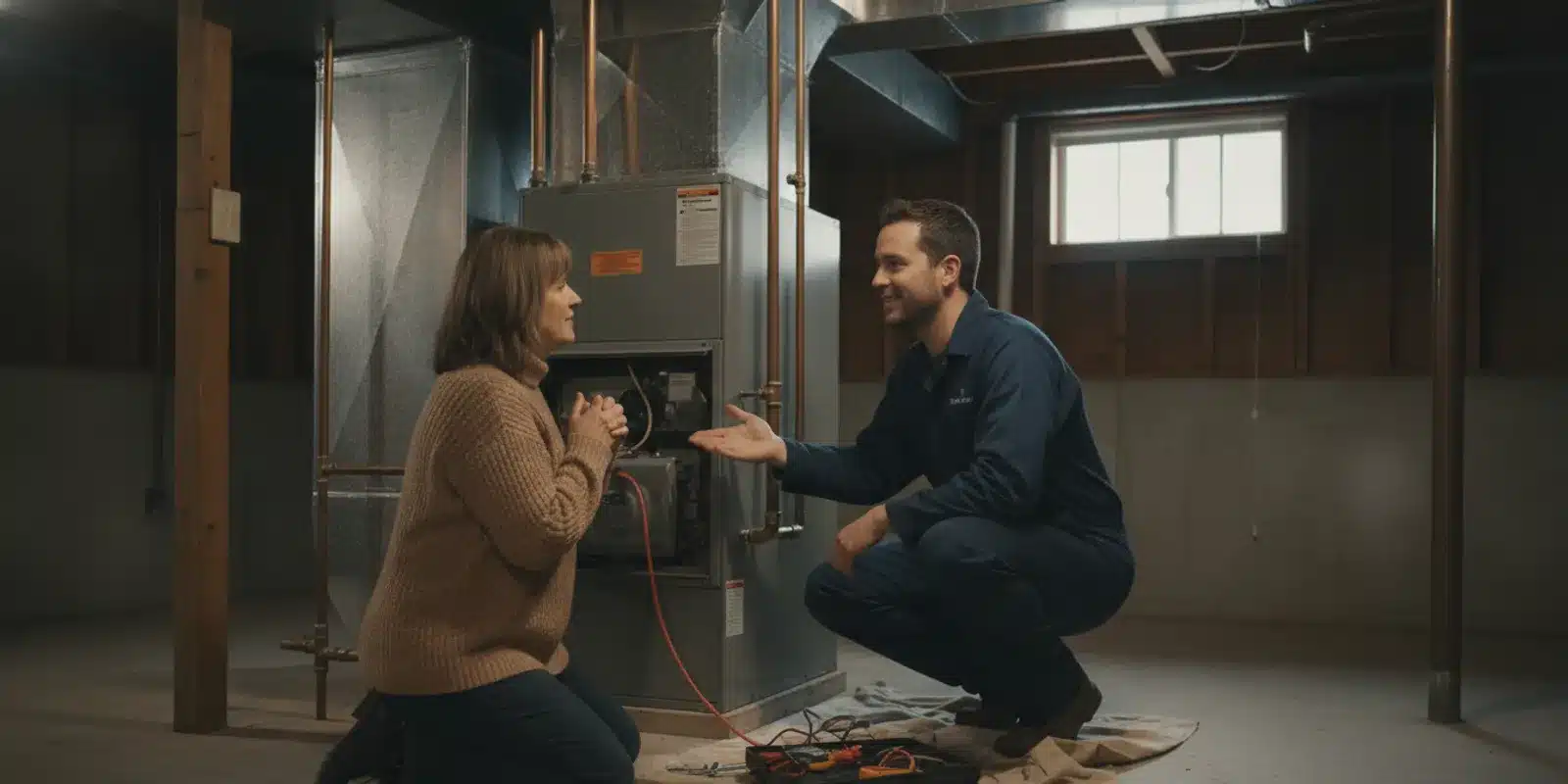
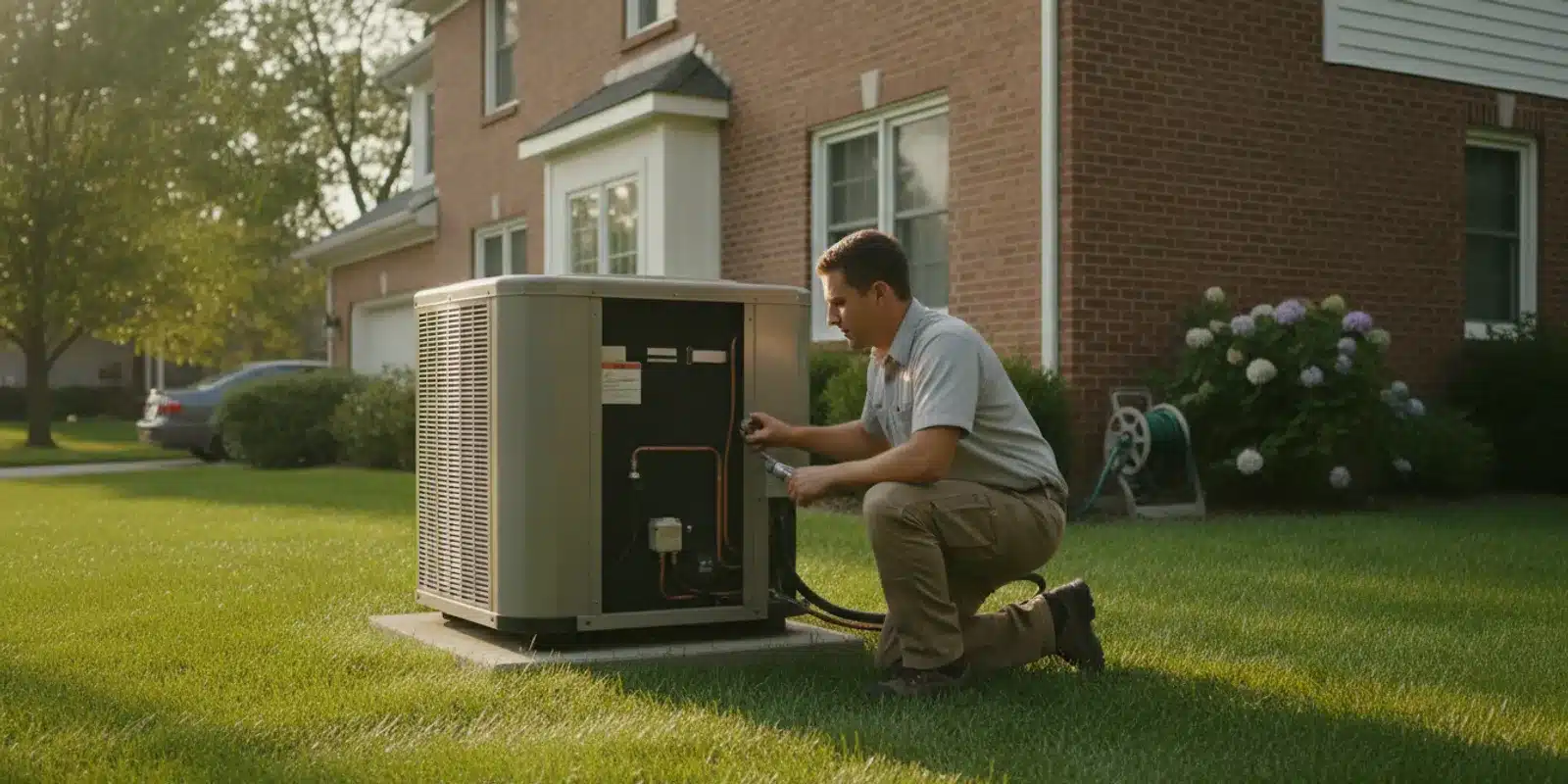
Most home heating and cooling systems fail because of simple problems like dirty filters or tripped breakers. Finding these issues early prevents a complete breakdown during an Indianapolis heat wave. You can handle many basic checks before calling in a local pro.
Call Armor Air at (317) 300-5024 for same-day HVAC repair in Indianapolis. No trip charge ever.
hvac repair indianapolis homeowners need often begins with a simple check of the thermostat or air filter. This guide provides a complete roadmap for finding and fixing common heating and cooling issues. We cover everything from basic settings to complex failures that need expert help. You will learn how to spot signs of trouble like strange smells or low airflow early. The Environmental Protection Agency says that clean HVAC filters are one of the best ways to ensure steady airflow and system health. This article explains how to safely troubleshoot your furnace, air conditioner, and heat pump. We also show you when it is time to call a licensed expert for a same-day repair.
Fixing a broken unit starts with knowing how the parts of your system work together to keep your home comfortable. This guide walks you through every major diagnostic step so you can identify the problem quickly and decide whether a DIY fix or a professional repair is the right call.
Hvac Repair Indianapolis: Understanding Your Indianapolis Home HVAC System
Your HVAC system relies on a furnace, air conditioner or heat pump, thermostat, and ductwork working together. Understanding how each component functions helps you pinpoint where a problem starts and when to call for professional hvac repair in Indianapolis.
Your home comfort depends on a few key parts working together. Most people in Central Indiana use a mix of a furnace for heat and a central air conditioner for cooling. Some homes might have a heat pump, which handles both jobs. These systems move air through ductwork to every room in your house. Keeping these parts in good shape helps you avoid the need for expert hvac repair services in Indianapolis during a heat wave or a freeze.
Core Parts of Your System
The furnace and air handler are the heart of the system. They push air through your vents using a large fan. Outside, the air conditioner unit or heat pump releases heat into the yard. Your thermostat acts as the brain. It tells the system when to turn on or off. If one part fails, the whole system might stop. You should check your filters often to keep the air moving well. Experts at the our HVAC Maintenance Guide suggest that clean filters help your system run with better efficiency.
Airflow and Your Comfort
Ductwork carries air from your unit to your living spaces. If these tubes have leaks or blocks, you might feel hot or cold spots. Common issues include low airflow from dirty fans or using the wrong type of filter. Poor maintenance can lead to many common hvac repair and troubleshooting issues that are easy to prevent. Checking your vents for dust or blocks is a simple way to help your system breathe.
System Parts and Failure Modes
Each part of your HVAC unit has a job. When things go wrong, it is often due to a lack of care or age. Below is a look at what can happen to these parts over time.
| Component | Main Role | Common Failure |
|---|---|---|
| Furnace | Heats the home | Dirty igniter or gas valve |
| Air Conditioner | Cools the home | Frozen coils or low coolant |
| Heat Pump | Heats and cools | Reversing valve failure |
| Thermostat | Controls settings | Dead batteries or wiring |
| Ductwork | Moves the air | Air leaks or loose seals |
| Air Handler | Circulates air | Blower motor burnout |
AC Not Cooling: 9 Common Causes and How To Diagnose Them
When your AC blows warm air, start by checking the thermostat settings, air filter, and outdoor unit. Most cooling issues stem from simple problems like a tripped breaker, dirty filter, or blocked condenser. If these quick fixes do not work, you may need professional hvac repair in Indianapolis.
When your home feels more like a sauna than a sanctuary, you need to find the cause fast. Many cooling issues start with small parts or settings that you can check yourself. Knowing these common problems helps you decide when to try a fix or when to call for expert AC repair in Indianapolis.
Check Your Thermostat and Power
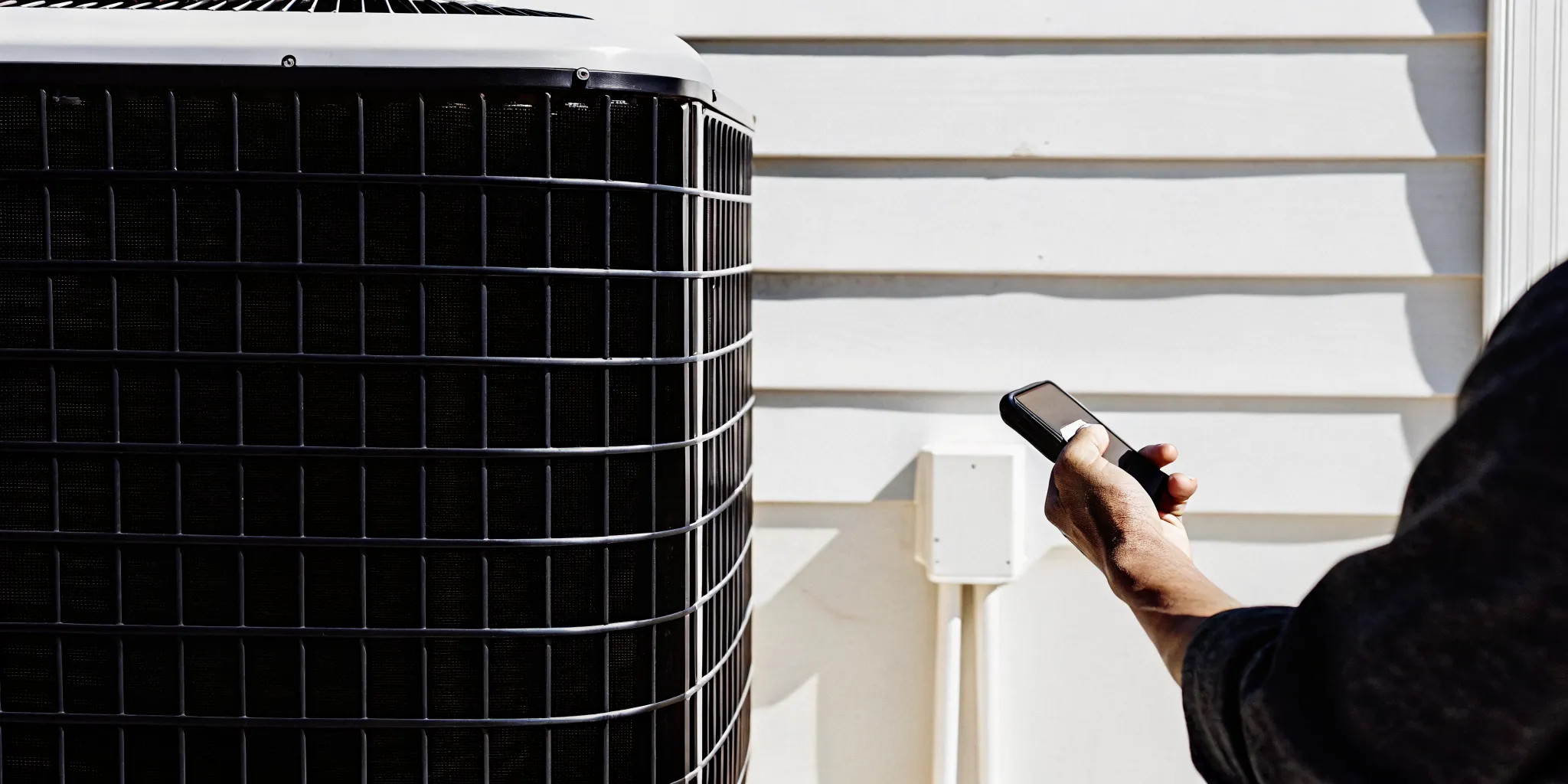
Start with the simplest fix first. Ensure your thermostat is set to “cool” and the fan is on “auto” or “on.” Sometimes a simple battery change is all a thermostat needs to work again. Also, check your electrical panel for a tripped breaker. If the outdoor unit has no power, it cannot cool your home. Armor Air offers same-day service if you find a blown fuse or a power issue you cannot safely fix.
Airflow and Filter Health
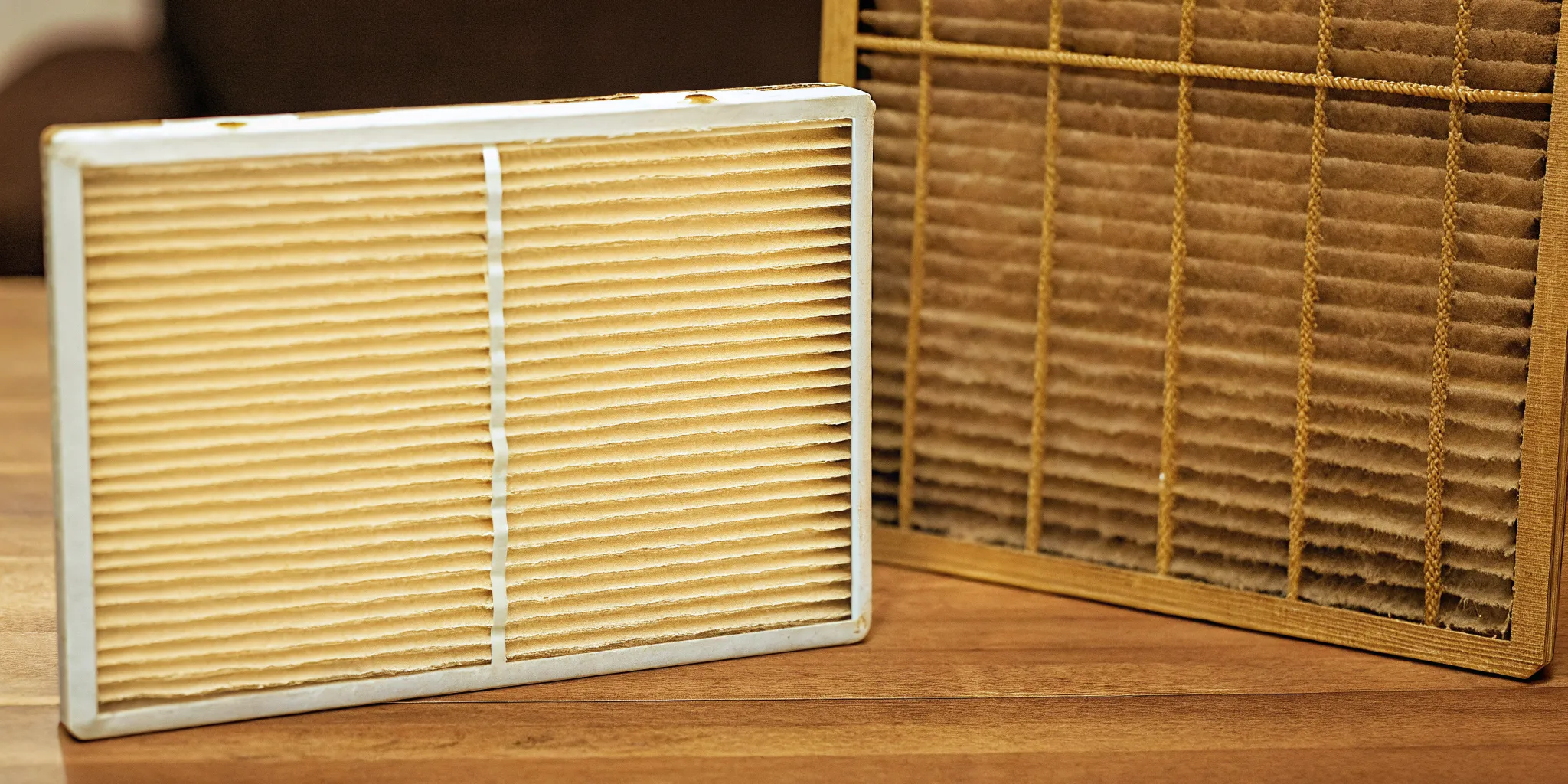
Low airflow is a top cause of a warm house. You should check and replace HVAC filters regularly to keep your system efficient. A clogged filter blocks air and makes the system work too hard. You can test the air at your vents with a thin tissue to see if it moves well. If the air feels weak, a dirty filter or leaky duct is often the reason.
Clean Coils and Unit Care
Your outdoor unit needs room to breathe to move heat outside. Clear away grass, dirt, or debris that might block the unit. You should also keep HVAC coils clean so they can exchange heat well. If the coils are dirty or frozen, the AC will run but will not cool. Frozen coils often mean you have a refrigerant leak or very low airflow.
- Check thermostat settings. Ensure the mode is set to cool and the temp is lower than the room.
- Inspect the air filter. Replace it if it looks gray or dusty to restore proper airflow.
- Clear the outdoor unit. Remove leaves, weeds, or trash from around the condenser.
- Check for power. Flip the breaker off and back on if the outdoor fan is not spinning.
- Look for ice. If you see frost on the copper lines, turn the AC off and call a pro.
- Listen for odd sounds. A clicking or humming sound can mean a bad capacitor needs a swap.
- Inspect the vents. Make sure all supply vents are open and not blocked by rugs or drapes.
If you go through these steps and your home is still hot, the problem may be internal. Parts like the capacitor or the blower motor can fail over time. We provide clear pricing and a “no trip charge ever” promise for our neighbors in Carmel, Fishers, and across Indy. Do not wait for a total breakdown before you get help with your cooling system.
Furnace Troubleshooting: Ignition Failures and Short Cycling
Furnace problems usually fall into two categories: the system will not ignite, or it short cycles on and off. Check the thermostat settings, air filter, and gas valve first. A dirty flame sensor or blocked vent often causes these issues. Call a licensed technician for hvac repair in Indianapolis if basic checks do not resolve the problem.
If your furnace stops working on a cold night in Indianapolis, you need answers fast. Most heating issues stem from two common problems: a system that will not start or a unit that shuts off too soon. These steps help you find the cause before you call for furnace repair warning signs at your home.
Check for Ignition Failures
A furnace that will not ignite often has a simple power or fuel issue. Start by checking your thermostat to ensure it is set to heat and a few degrees above the current room temperature. If the screen is blank, you may need to replace the batteries or check your home circuit breaker.
Next, look at your furnace power switch and the gas valve. Both must be in the on position for the system to work. If you have an older unit with a pilot light, check if the flame has gone out. For newer units with an ignitor, listen for a clicking sound or look for a glow when the furnace starts its cycle.
Look into Short Cycling
Short cycling occurs when your furnace turns on and off too often. This issue puts a heavy strain on your system and prevents your home from reaching the right temperature. The most common cause is a dirty air filter that blocks airflow and causes the heat exchanger to get too hot.
If your filter is clean, check your vents to make sure they are open and clear of furniture. A blocked vent can cause heat to build up inside the unit. You should also check where your thermostat is. If it is near a heat source like a lamp or a drafty window, it might give a false reading and shut the system down too early.
Follow Safety and Diagnostic Steps
- Check the air filter. A clogged filter is the top cause of airflow issues and system shutdowns in local homes.
- Inspect the thermostat settings. Make sure it has power and is set to the correct mode for heating.
- Observe the ignition process. Look for a pilot light or listen for the ignitor to spark during the start-up phase.
- Check the vents. Ensure all supply and return vents are open to maintain the proper airflow your system needs.
- Verify the flame sensor. A dirty sensor can stop the gas burner from staying lit after it ignites.
- Monitor the venting pipes. According to the our guide on Common HVAC Emergencies, combustion equipment must have proper venting to prevent carbon monoxide leaks in your home.
Know When to Call an Expert
If these steps do not fix the problem, you likely have a part failure that needs a pro. For homeowners in areas like Carmel or Greenwood, Armor Air offers same-day service for expert hvac repair services in Indianapolis. We help you stay safe and warm with no trip charge ever for our diagnostic visits.
AC Blowing Warm Air: 7 Things To Check Before Calling for HVAC Repair in Indianapolis
If your AC is running but blowing warm air, check the thermostat mode, air filter, outdoor unit clearance, and breaker panel. Dirty coils, a clogged filter, or a tripped breaker are the most common culprits. Follow these 7 steps before scheduling hvac repair in Indianapolis.
When your air conditioner blows warm air, it can turn your home into an oven during a hot Indiana summer. Before you schedule expert hvac repair services in Indianapolis, you can run through a few simple checks. These steps help you find small issues that might not need a pro to fix.
Check Settings and Power
First. Look at your thermostat to make sure it is on the “cool” mode and the fan is set to “auto.” If the fan stays on “on,” it will blow air even when the unit is not cooling. You should also verify that your outdoor unit has power by checking your home breaker box for any tripped switches.
Inspect Coils and Filters
Dirt is a common cause of poor cooling. You must keep your HVAC coils clean to maintain efficient heat exchange. If the coils are dirty, the system cannot remove heat from your home air. You should also check your air filter and replace it if it looks gray or clogged with dust.
- Verify thermostat mode. Make sure your system is set to cool and the target temperature is lower than the current room heat.
- Check the breaker panel. Look for a tripped circuit breaker that might have cut power to your outdoor condenser unit.
- Clean the outdoor unit. Remove leaves, grass, and debris from the metal fins to help the unit breathe and shed heat.
- Swap the air filter. A dirty filter blocks airflow, which can cause the system to struggle and blow warm air.
- Look for ice. Check the indoor unit for frost, which often means you have a frozen coil due to low airflow or refrigerant issues.
- Listen for odd noises. Rattling or buzzing from the unit could point to a failing part that needs a pro to see.
- Check the drain pan. Your HVAC drain pans should be clean and sloped correctly to prevent water backups that shut down the system.
Monitor System Moisture
Your AC also works to pull water out of the air. Seeing condensation on your unit is a normal sign of work, but too much water or a full drain pan can indicate performance issues. If you find standing water, it might mean the drain line is clogged and needs a flush.
If these steps do not bring the cold air back, you may have a more serious issue like a refrigerant leak or a bad compressor. Small problems can grow into big common hvac repair and troubleshooting issues if they are ignored for too long. In those cases, a licensed technician can find the root cause and get your home cool again.
Heat Pump Troubleshooting for Indiana Winters
Heat pumps in Indiana winters often frost over and run defrost cycles, which is normal. If your unit stays iced for hours, the defrost control may be faulty. Check for snow blocking the unit, and monitor your backup heat system. Call for hvac repair in Indianapolis if the emergency heat light stays on.
Indiana winters can be hard on your home. If you use a heat pump, it might act strange when the air gets cold. These units move heat from the air instead of making it. This means they work hard when it is freezing outside. Most of the time, what looks like a break is just how the unit runs. But some signs show you need heating and cooling services to stay warm. We help homes in areas like Avon and Brownsburg stay cozy all year.
Understanding the Defrost Cycle
In the winter, your outdoor unit will often frost over. This happens because the unit pulls heat from the cold damp air. To fix this, your system will start a defrost cycle to melt the ice. You might see steam rise from the unit or hear a loud hum for a few minutes. This is the way it acts for most systems in the Indianapolis area. But if the unit stays in ice for hours, the parts that control this cycle may be bad. If you see thick ice that does not melt, it is time to call for help.
Dealing with Ice and Backup Heat
Heavy snow can block the air your system needs to run. Check the top and sides of your unit after a big storm. If the fan cannot move air, the unit will stop. Many heat pumps also have a backup heat source for the coldest nights. If your home feels cold and the “Emergency Heat” light is on, your pump may have a problem. This can happen if the reversing valve gets stuck. A stuck valve stops the system from switching between modes. This is a common reason people call for hvac repair indianapolis when it is cold.
Venting and Home Changes
Some homes in Zionsville or Fishers use a hybrid system. These pair a heat pump with a gas furnace for more heat. If you have this, you must check your vents often. The our Indoor Air Quality page that units that burn fuel need good venting to stay safe. Clear vents prevent gas leaks and keep your air clean. You should also think about recent work on your home. If you just finished a big remodel, dust can clog your unit. This extra dirt makes the system work too hard and can lead to a fast break.
At Armor Air, we know how much a warm home matters. We offer same-day service from Monday to Saturday so you do not have to wait in the cold. We never charge a trip fee for our work, which keeps your bill low. Our team is ready to help you fix any heat pump issue in your Indianapolis home.
When To DIY and When To Call a Professional HVAC Technician
Safe DIY checks include inspecting air filters, thermostat settings, and the power switch. Always call a licensed professional for gas smells, carbon monoxide alarms, refrigerant leaks, or electrical burning odors. Knowing when to step back and schedule hvac repair in Indianapolis keeps your family safe.
When your system acts up during a humid Indianapolis summer or a freezing winter night, your first instinct might be to grab a toolbox. Troubleshooting a stubborn heater or AC is a great way to save money, but effective HVAC problem solving requires an organized approach to pinpoint what is actually wrong. To keep you safe and avoid unnecessary service fees. We have put together a simple diagnostic guide so you know when a quick fix works and when to call in the experts.
The Safe DIY Checklist
Before calling for service, check these three simple components. They are completely safe for homeowners to inspect:
- Air Filters: A dirty filter blocks airflow and can cause your system to overheat or freeze up. If your vents are barely blowing, swap the filter out first.
- The Thermostat: Ensure it is set to the correct mode (heating or cooling). If the screen is blank, try replacing the batteries.
- The Power Switch: Check the safety switch on or near your indoor unit and inspect your electrical panel to make sure a breaker has not tripped.
When You MUST Call a Licensed Professional
If those quick checks do not resolve the issue, or if you encounter any of these dangerous warning signs, step away from the equipment. Attempting to repair complex electrical, gas, or chemical components carries severe risks of electric shock, gas leaks, and improper refrigerant handling. You must call a professional immediately if you experience:
- CO Detector Alarms: If your carbon monoxide alarm sounds, evacuate your home immediately.
- Strange Electrical Odors: A burning metallic smell indicates electrical components are overheating or melting.
- Gas Line Smells: If you smell rotten eggs near your furnace, you likely have a gas leak. Leave the house immediately.
- Refrigerant Leaks: If your air conditioner is blowing warm air and you notice ice buildup on the coils, you may have a refrigerant leak.
For your safety, always trust a reliable HVAC service provider that is licensed and insured. At Armor Air, our friendly technicians undergo extensive annual training to handle complex issues safely. Whether you are dealing with minor system quirks or serious common HVAC emergencies, we are here to help with our values-driven service and no trip charge ever.
How Preventive Maintenance Prevents Costly HVAC Repairs
Regular HVAC maintenance catches small problems before they become expensive repairs. Annual tune-ups, monthly filter changes, and keeping coils and drains clean extend your system life and lower energy bills. Armor Air offers Shield Protection Plans starting at $15 per month for Indianapolis homeowners.
Homeowners in Indianapolis often wait until their AC quits before they think about repairs. But the smartest way to handle hvac repair indianapolis is to stop problems before they even start. Regular care keeps your system running at its best and keeps your energy bills low. By sticking to a simple plan, you can catch a small leak or a worn belt before it leads to a total system failure.
Catching Small Problems Early
Getting an expert tune-up once or twice a year is the best way to guard your home. A skilled worker can find small cracks in your furnace or loose wires in your AC unit. These checks are vital because they find small issues before they cause a breakdown. Fixing a small part now is much cheaper than a big repair during a hot Indiana July. Plus, regular care helps your system last for many more years and keeps it safe for your family. Sign up for an Armor Air maintenance plan to stay ahead of costly repairs.
Keeping Air Moving and Clean
Your air filter has a big job in your home. A clogged filter blocks air and makes your unit work much harder than it needs to. The our Furnace Repair Warning Signs article says you should check and clean or replace your filters often to keep air moving well. When air flow is weak, your system can get too hot or even freeze up. This extra stress wears out your parts fast and makes your bills go up. Simple filter changes are the easiest way to keep your unit happy. You should check your filter once a month if you have pets or a dusty home.
Managing Mold and Moisture
Too much moisture in the air can cause big trouble for your house. If the indoor humidity stays above 60 percent, it can lead to mold and bacteria growth. You must also keep your drain pans clean and sloped so that water can flow out easily. If water pools in the pan, it can spill and ruin your floors or help mold spread. Dirty coils also make it hard for your system to cool the air. Clean coils and clear drains help your system keep your air fresh and dry.
Armor Air Shield Protection Plans
We want to make sure your home stays cozy all year round. That is why we offer HVAC maintenance plans that fit your budget. Our Shield Protection Plans cost only $15 to $29 per month. These plans give you top priority when you call and include yearly tune-ups for your heating and cooling systems. We serve Indianapolis, Greenwood, Franklin, Avon, Plainfield, Brownsburg, Zionsville, Martinsville, Beech Grove, Carmel, Fishers, Noblesville, Westfield, and all surrounding Indiana communities.
Ready To Schedule Your HVAC Repair in Indianapolis?
Do not wait for a small issue to become a big problem. A loud fan, weak airflow, or strange smell often means your system is working too hard. This extra strain burns more power and can cause your whole unit to fail when you need it most. You do not want to be stuck without heat during an Indiana winter or without AC during a summer heat wave.
Call Armor Air at (317) 300-5024 to schedule your same-day HVAC repair in Indianapolis. No trip charge ever, transparent pricing, and licensed technicians ready to help.
We offer same-day service Monday through Saturday and provide 0% financing for 12 months on qualifying repairs. You can also join our Shield Protection Plan to stay on top of yearly maintenance and catch problems before they start. Call (317) 300-5024 today to book your repair.
Frequently Asked Questions
How Much Does HVAC Repair Cost in Indianapolis?
The cost for HVAC repair in Indianapolis depends on the specific problem. Most companies charge a diagnostic fee just to visit your home. However, Armor Air never charges a trip fee for diagnostics. This helps you save money right away. If you need a large fix, we offer 0% financing for 12 months. This makes it easier to manage your budget while keeping your home at ease.
Does My HVAC Need to Be Serviced Annually?
Yes, you should have your system checked by a pro once a year. Regular service helps find small issues before they turn into big breaks. According to the our AC Repair page, clean filters and coils keep your system running well. This routine care can also lower your monthly power bills. It is the best way to make sure your unit lasts for a long time without failing.
Are There Same-day HVAC Repair Services in Indianapolis?
Yes, many local homeowners need help fast when their heat or cooling stops. Armor Air provides same-day service from Monday through Saturday for your home. We know that a broken system can be a major stress. Our team works hard to get your unit back up and running quickly. Please note that we are closed on Sundays for God and Family time. You can call us for fast help any other day.
How Do I Know If My HVAC System Needs Repair or Replacement?
If your system is over 15 years old, it might be time for a new one. Strange sounds, odd smells, and high energy bills are also big signs of trouble. You might notice that some rooms stay too hot or too cold. Our team can help you decide which path is best for your home. We focus on giving you honest advice so you can make a smart choice for your family.