Your home can look clean and still have air that irritates your eyes, worsens odors, or leaves your family feeling unusually tired. Indianapolis homes stay closed up through hot summers and cold winters, which can allow particles, gases, and excess moisture to build when ventilation is limited.
Schedule indoor air quality testing with same-day service. Call (317) 455-4448 today.
Indoor air quality testing indianapolis homeowners can rely on helps identify likely pollutants and moisture concerns so the right solution comes first. Testing may point to a need for better filtration, humidity control, ventilation, or another targeted improvement rather than a one-size-fits-all purchase.
The U.S. Environmental Protection Agency notes that indoor air can be more polluted than outdoor air, and people spend about 90 percent of their time indoors. If you are also evaluating your heating and cooling equipment, Armor Air’s air conditioning installation, repair, and maintenance services can be part of a broader home comfort plan. First, it helps to understand what poor indoor air quality can mean for your health and daily comfort.
What Poor Indoor Air Quality Actually Means for Your Health
Indoor air quality is not simply a matter of whether your home smells fresh. It describes the condition of the air your household breathes, including the presence of particles, gases, excess moisture, and other pollutants. The Environmental Protection Agency reports that people spend approximately 90 percent of their time indoors. And that indoor air can sometimes be more polluted than outdoor air, even in large industrialized cities. The EPA’s guide to indoor air quality explains why this matters for everyday health.
When indoor pollutants build up, some people notice discomfort quickly. Others may not connect recurring symptoms with the air inside their home, especially when symptoms improve after leaving the house. The possible signs are not proof of an indoor air problem by themselves, but they are useful reasons to investigate ventilation, moisture, filtration, and potential pollutant sources.
- Headaches or difficulty concentrating
- Eye, nose, or throat irritation
- Dry cough or itchy, dry skin
- Dizziness, nausea, or unusual fatigue
- Sensitivity to odors that did not previously bother you
Indoor air concerns can also affect household members differently. Young children, older adults, and people with chronic respiratory or cardiovascular conditions are often more susceptible to the effects of indoor air pollution. If one person consistently feels worse at home, that pattern deserves attention, even if other family members feel fine.
Symptoms are a signal, not a diagnosis
These symptoms can have many causes, including allergies, infections, seasonal conditions, or other health concerns. Do not use an indoor air quality assessment as a substitute for medical care. If symptoms are severe, persistent, or concerning, contact a qualified healthcare professional. An HVAC professional can help evaluate the home environment and identify conditions that may contribute to discomfort.
Common sources include inadequate ventilation, combustion appliances, building materials, tobacco smoke, and excess moisture. A home inspection can help determine whether the concern is related to airflow, humidity, filtration, or a specific pollutant. For homeowners considering broader comfort improvements, Armor Air’s air conditioning services can also be part of a larger conversation about airflow and system performance.
For Indianapolis homeowners, indoor air quality testing can provide a clearer starting point than guessing at the cause. Testing does not automatically mean you need an expensive product. It helps connect the concern to an appropriate next step, whether that means correcting a source, improving ventilation, or discussing a targeted HVAC solution.
Common Indoor Air Quality Problems in Indianapolis Homes
Indoor air quality problems usually begin with something inside the home that releases particles or gases. The EPA identifies indoor pollution sources as the primary cause of indoor air quality problems. While inadequate ventilation can allow those pollutants to build up instead of diluting them or leaving the home. The EPA explains how indoor pollution sources and ventilation affect air quality.
Indianapolis homeowners also deal with seasonal conditions that make certain problems more noticeable. Warm, humid summers can leave indoor air damp, while moisture in a basement or crawl space can support mold growth. In spring and fall, pollen can enter through doors, windows, and ventilation pathways. During colder months, tightly closed homes may have less natural air exchange, allowing odors and household pollutants to linger.
Pollutants that commonly affect local homes
- Dust: Fine particles can circulate through living spaces and settle on furniture, floors, and HVAC components.
- Pollen: Seasonal allergens from trees, grass, and weeds can enter on clothing, pets, and incoming air.
- Mold spores: Damp basements, bathrooms, ductwork, or hidden leaks can create conditions where mold becomes a concern.
- Pet dander: Tiny flakes of skin and other household allergens can remain airborne and collect in carpets and upholstery.
- Volatile organic compounds (VOCs): Paints, cleaners, furnishings, and some building materials can release gases indoors.
- Excess humidity: Too much moisture can contribute to musty odors, condensation, and mold-related concerns.
The EPA also lists fuel-burning combustion appliances, tobacco products, building materials and furnishings, and excess moisture among common indoor pollution sources. These issues can exist together. For example, a damp basement may add moisture and musty odors, while poor filtration allows dust and pollen to circulate through the home.
Some people notice headaches, eye, nose, or throat irritation, dry cough, dizziness, or fatigue when indoor conditions are uncomfortable. Those symptoms can have many possible causes, so they should not be treated as proof of an air quality problem. If odors, visible moisture, recurring allergy symptoms, or unexplained discomfort persist, learn more about improving indoor air quality in an Indianapolis home and consider professional indoor air quality testing Indianapolis homeowners can use to identify likely sources before choosing a solution.
Air Purifiers vs UV Systems vs Dehumidifiers: Which Do You Need?
These indoor air quality solutions address different problems, so the right choice depends on what is affecting your home. A purifier is generally aimed at airborne particles. A UV or purification system supports cleaner air as it moves through the HVAC system, and a dehumidifier controls excess moisture. Installing one without identifying the problem first can leave the main cause untouched.
For Indianapolis homeowners, an indoor air quality assessment can help connect symptoms and comfort issues to possible sources. The EPA identifies indoor pollution sources that release gases or particles as a primary cause of indoor air quality problems. While inadequate ventilation can allow pollutants to build up. Improving indoor air quality may require filtration, moisture control, ventilation changes, or a combination of solutions.
| Solution | What it targets | Best fit for common problems | Typical placement |
|---|---|---|---|
| Air purifier | Airborne particles such as dust, pollen, and other particulate matter, depending on the system | Visible dust, allergy concerns, recurring particles, or a need for additional filtration | Portable room unit or integrated with the HVAC system for whole-home coverage |
| UV or purification system | Microorganisms and biological contaminants that may circulate through or collect inside HVAC equipment, depending on system design | Concerns about biological growth, odors, or keeping the air-handling equipment cleaner | Usually duct-mounted or installed near the indoor HVAC coil and air handler |
| Dehumidifier | Excess moisture in the indoor air | Sticky rooms, musty odors, condensation, or moisture that remains high even when the air conditioner runs | Portable room unit or whole-home equipment connected to the HVAC system |
Choosing between these options starts with the symptom, but it should not end there. If the concern is dust, a purifier may be the logical starting point. If the home feels damp or develops musty odors, moisture control deserves attention before adding more filtration. If the issue may involve the HVAC equipment or biological contaminants, a properly selected UV or purification system may be considered.
Armor Air helps homeowners choose the right solution rather than automatically recommending the most complex equipment. A technician can review the home, HVAC setup, ventilation, and moisture conditions, then explain which improvement is appropriate for the problem identified.
How Armor Air’s Indoor Air Quality Testing in Indianapolis Works
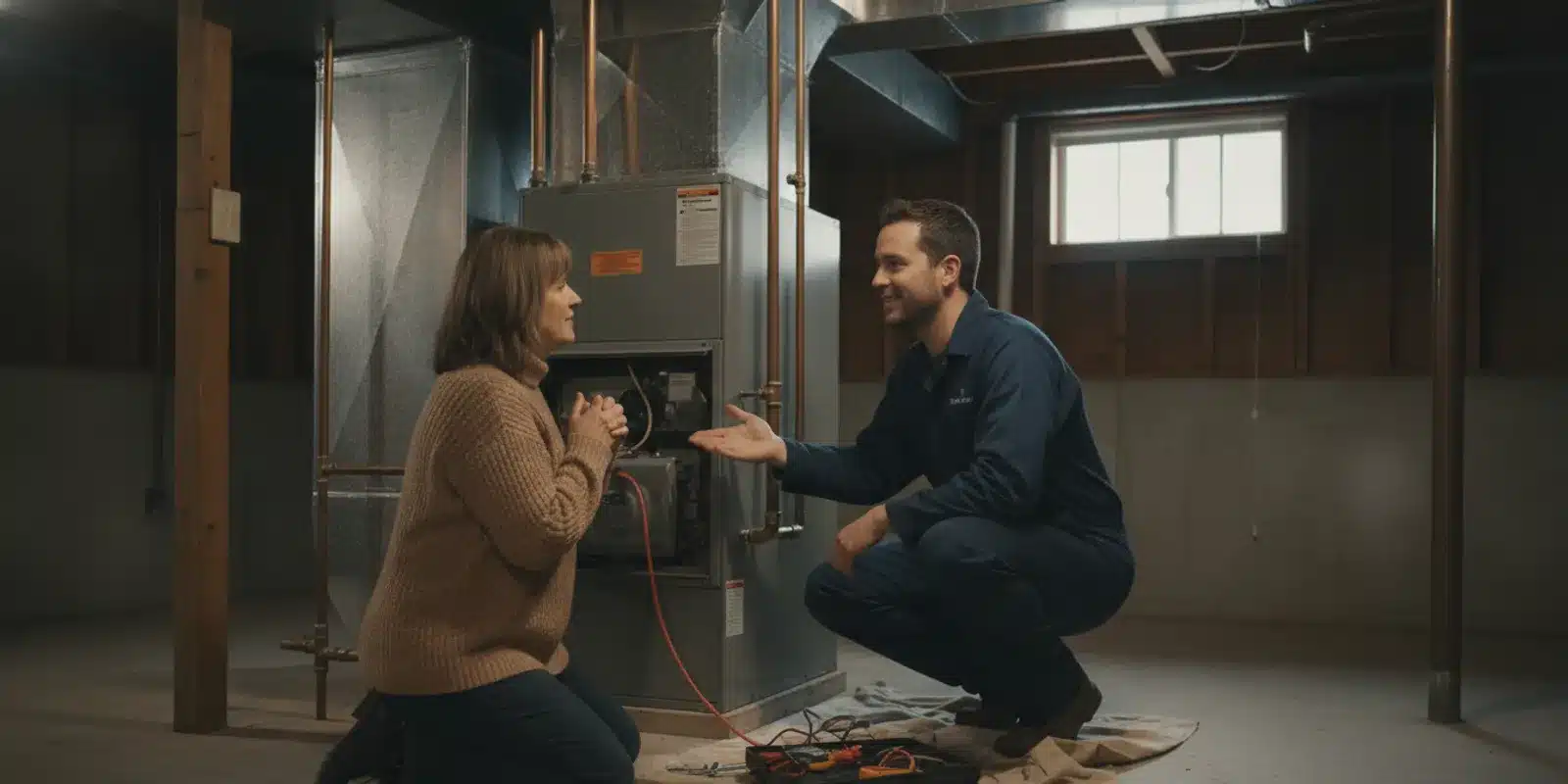
Indoor air concerns can be difficult to diagnose from a single symptom. A stuffy room, lingering odors, uneven comfort, or recurring irritation may involve humidity, ventilation, filtration, or the condition of the HVAC system. Armor Air’s assessment is designed to replace guesswork with a practical plan for your home.
- We start with a conversation about what you are noticing. Your technician will ask when symptoms or odors appear, which rooms are affected, whether comfort changes with the season, and what you have already tried. Mention concerns such as excess dust, visible moisture, frequent filter clogs, dry air, or allergy irritation. This context helps connect the measurements to your home’s actual living conditions. The EPA notes that young children, older adults. And people with chronic respiratory or cardiovascular disease can be more susceptible to indoor air pollution, so those household details matter when discussing next steps. See the EPA’s indoor air quality guidance.
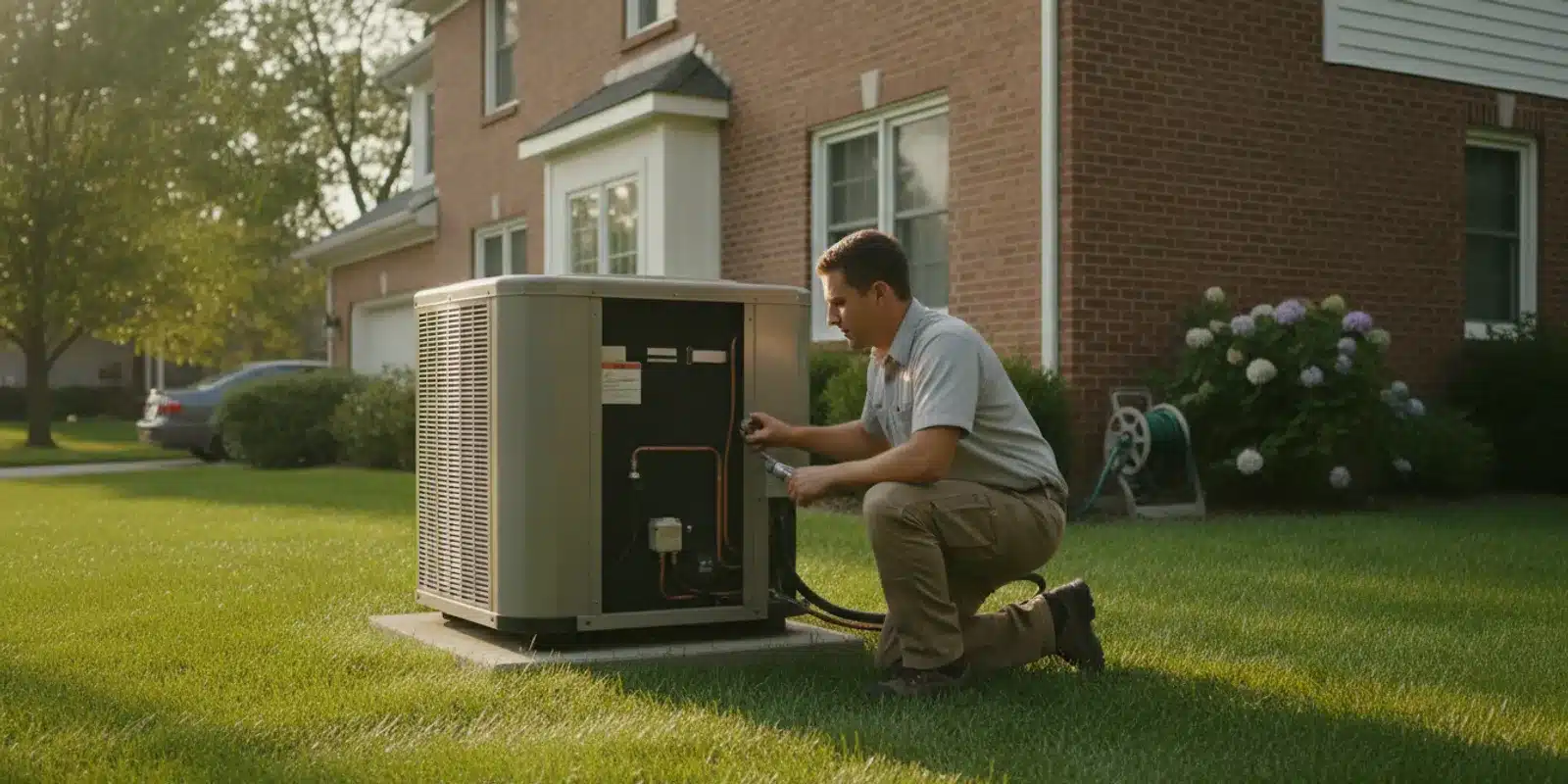
- We visually inspect the HVAC system and ventilation paths. The technician looks for conditions that can affect air movement and cleanliness, including the filter. Accessible ductwork, return and supply pathways, indoor coil area, drainage, and signs of excess moisture. We also consider whether rooms are receiving and returning air as they should. This inspection helps identify practical contributors before recommending equipment. If your cooling system needs attention, our air conditioning installation, repair, and maintenance services can address the HVAC side of the problem.
- We measure humidity and relevant air quality indicators. Depending on your concerns, the assessment may include readings related to temperature, relative humidity, carbon dioxide, particles, or other indicators supported by the equipment and situation. Measurements are interpreted alongside the visual inspection and your observations. They do not replace medical advice or specialized testing for hazards such as radon or mold. But they can reveal patterns that point toward ventilation, filtration, moisture control, or maintenance needs.
- We recommend a solution that fits the cause. The right answer may be a better filtration strategy, UV treatment, whole-home dehumidification, ventilation improvements, or routine HVAC maintenance. Armor Air will explain what each option is intended to address, what it will not address, and what maintenance it requires. We focus on a reasonable next step rather than pushing equipment that does not match the problem.
- We make it easier to act promptly. Armor Air offers same-day service when scheduling allows and charges no trip fee ever. You can ask questions, review the recommendations, and decide how to proceed with clear information. If indoor air concerns are affecting your family, call Armor Air at (317) 455-4448 to schedule an assessment for your Indianapolis-area home.
When to Add IAQ Solutions to Your HVAC Maintenance Plan
Indoor air quality and HVAC maintenance are closely connected. Your system moves air through the home every day, so a dirty filter, restricted airflow. Excess moisture, or poor ventilation can affect comfort as well as the air you breathe. The U.S. Environmental Protection Agency notes that indoor air can be more polluted than outdoor air, and common concerns include particles, combustion byproducts, building materials, and excess moisture. Learn more about common indoor air pollution sources from the EPA.
Consider adding an IAQ solution when you notice persistent dust, musty odors, uneven humidity, condensation, or recurring irritation that seems worse at home. You may also benefit if someone in the household is especially sensitive to airborne pollutants. Or if your home has recently been remodeled, sealed tightly, or experienced water damage. Testing can help identify the problem before you invest in equipment that does not address the source.
Match the solution to the problem
Filtration can help capture airborne particles, but the filter must be properly sized for the system and changed on an appropriate schedule. A UV system may be considered when biological growth on HVAC components is a concern. While a whole-home dehumidifier can help manage excess moisture when summer humidity remains uncomfortable despite normal cooling. These solutions are not interchangeable, and adding more equipment is not always the right answer.
Start with an annual HVAC system inspection. During routine maintenance, a technician can look at airflow, filtration, drainage, coils, and other conditions that influence indoor comfort. If the inspection points to a broader air-quality issue, testing can provide a more useful direction for next steps.
Make IAQ checks part of ongoing care
IAQ needs can change with the seasons. Indianapolis homes may need more attention to humidity during cooling season and filtration during periods of heavy outdoor allergens. Recheck the system after renovations, a persistent moisture problem, or a noticeable change in household symptoms or odors. Regular maintenance also makes it easier to catch small issues before they contribute to reduced performance or avoidable repairs.
Armor Air’s Shield Protection Plan can support that routine for exactly $14.99/month. Ask what maintenance and IAQ recommendations fit your home, rather than assuming every add-on is necessary. If an approved improvement is a good fit, Armor Air offers 0% financing for 12 months. See the Shield Protection Plan details, then take the next practical step: schedule indoor air quality testing to measure what is actually happening in your home.
Ready to breathe easier? Schedule indoor air quality testing in Indianapolis today.
Frequently Asked Questions
How can I tell whether my home’s air quality needs attention?
Recurring odors, visible moisture, unusual dust, or irritation that improves after leaving home are useful warning signs. Headaches, eye, nose, or throat irritation, dry cough, dizziness, and fatigue can also occur with indoor air quality discomfort, according to the EPA. Testing helps identify the likely source instead of guessing.
What does indoor air quality testing check for?
The right testing plan depends on your concerns and the home itself. It may evaluate particles, moisture, ventilation, combustion-related concerns, or other pollutants. The goal is to connect a measured problem with a practical solution, such as filtration, humidity control, ventilation improvements, or ductwork service.
Is professional testing more useful than a store-bought monitor?
A consumer monitor can show trends for the conditions it measures, but it may not identify the source of a problem or cover every concern. A professional assessment considers the HVAC system, airflow, moisture, occupants’ observations, and the home’s layout before recommending next steps.
Can poor indoor air quality make my family feel sick?
It can contribute to discomfort, although symptoms may have many possible causes. Children, older adults, and people with chronic respiratory or cardiovascular disease can be more susceptible to indoor air pollution, according to the EPA. Seek medical guidance for persistent or serious symptoms.
What should I do after an air quality problem is found?
Start with the source, not just the symptom. Reducing pollutants, correcting excess moisture, improving ventilation, and choosing the right filtration or air-cleaning equipment can work together. Your technician should explain the finding, available options, and maintenance needs before you decide.
Ready to improve your home’s indoor air quality?
Indoor air quality testing can help you better understand what is affecting your home’s comfort and where practical solutions may help. For straightforward guidance from a local team, schedule indoor air quality testing with same-day service. Armor Air can help you take the next step with clear, homeowner-focused recommendations and no pressure.