Dust at a supply vent can make Indianapolis homeowners wonder whether the problem is dirty ductwork, a leak, or simply normal household buildup. The right answer depends on what is inside the system and how it affects comfort, airflow, and indoor air quality.
Call now for same-day service and a clear ductwork evaluation.
hvac ductwork cleaning and repair indianapolis can be worth the investment when you find substantial visible mold in hard-surface ducts. Heavy debris, contamination after renovation, pest intrusion, or leaks causing uneven temperatures and energy loss. It is not automatically necessary for every home: the EPA says duct cleaning has not been shown to prevent health problems. And much of the dust inside ducts stays attached to duct surfaces. A professional inspection helps separate a genuine duct problem from a concern better addressed through filtration, equipment maintenance, or another indoor-air-quality solution.
Before scheduling work, learn which warning signs deserve attention and what a qualified technician should inspect first.
Signs Your Ductwork Needs Professional Cleaning or Repair
Light household dust does not automatically mean your air ducts need to be cleaned. The EPA says duct cleaning has not been shown to prevent health problems. And much of the dust inside ductwork may remain attached to its surfaces instead of entering your living space. Still, certain conditions justify a professional inspection rather than guesswork.
Schedule an evaluation if you notice one or more of these warning signs:
- Visible dust, debris, or biological growth at vents: Dust blowing from supply registers, debris around grilles, or unusual growth deserves a closer look. A dirty vent cover alone does not prove the entire system needs cleaning, but it can identify a problem worth investigating.
- Suspected mold inside hard-surface ducts: The EPA recommends considering cleaning when there is substantial visible mold growth inside sheet-metal ducts or on other heating and cooling components. Do not assume every dark spot is mold. Much of the system may be hidden, and positive identification may require an expert or laboratory analysis. Ask the technician to show you the affected area and explain the evidence.
- A recent renovation: Drywall dust, sawdust, insulation fibers, and other construction debris can enter return pathways while walls, ceilings, or flooring are being remodeled. Post-renovation inspection and cleaning can help determine whether that material reached the duct system.
- Unexplained allergy or respiratory symptoms: If household members develop new or persistent irritation without an obvious cause, include the HVAC system in the investigation. Ducts are only one possible particle source, so cleaning should be part of a broader indoor-air-quality assessment, not presented as a guaranteed health solution.
- Pest intrusion or signs of animals: Droppings, nesting material, insect activity, or persistent odors near registers may indicate that an animal or pest entered the ductwork. This situation calls for inspection and safe removal before cleaning or repair.
- Uneven airflow or rooms that never feel comfortable: Weak airflow, disconnected sections, crushed flexible ducts, or leaks can point to a repair need rather than a cleaning need. Leaky or damaged ductwork can waste conditioned air and contribute to inconsistent temperatures throughout the home.
Cleaning and repair address different problems. Professional ductwork cleaning targets significant contamination, while duct repair in Indianapolis addresses leaks, damage, and disconnected sections. An inspection helps determine whether you need one service, both, or neither.
Armor Air can help homeowners in Indianapolis and surrounding communities make that decision based on what is actually present. The company offers same-day service and No Trip Charge Ever, so you can ask questions and get a clear recommendation before authorizing unnecessary work.
The Difference Between Duct Cleaning and Duct Sealing
Duct cleaning and duct sealing address two different problems. Cleaning removes contaminants from the inside surfaces of the ductwork. Sealing and repair correct physical damage that allows conditioned air to escape before it reaches your rooms. A home may need one service, the other, or both, depending on what an inspection finds.
What duct cleaning does
Professional duct cleaning focuses on removing accumulated dust, loose debris, pet dander, and other contaminants from duct surfaces and related system components. It may be worth considering when ductwork is significantly contaminated or obstructed. When there is substantial visible mold growth inside hard-surface ducts, or after renovation work has introduced construction dust into the system. The U.S. Environmental Protection Agency notes that duct cleaning has not been shown to prevent health problems, and light household dust in ducts is not automatically a health risk. Cleaning should be based on observable conditions rather than a routine promise that every home needs it.
It is also important to keep the scope clear. Dirty ducts are only one possible source of indoor particles. Cooking, cleaning, smoking, outdoor air, and normal household activity can contribute to indoor contamination too. If mold is claimed, ask the provider to show you the affected area. Many system sections are not visible, and a substance that looks like mold may require expert or laboratory analysis for positive identification. Learn more about professional ductwork cleaning and what an evaluation can determine.
What duct sealing and repair do
Duct sealing addresses gaps, leaks, separated seams, and broken joints in the air-distribution system. Instead of removing material from the duct surface, the technician restores the path that carries heated or cooled air from the HVAC equipment to the rooms. Leaky or damaged ducts can lose conditioned air, raise energy use, and contribute to rooms that feel unevenly comfortable. Cleaning cannot fix those openings.
For example, cleaning may be appropriate when renovation debris coats the inside of otherwise intact ducts. Repair may be the priority when one room receives weak airflow because a joint has separated or a run is leaking in an attic or crawlspace. If both contamination and leakage are present, completing both services may improve the overall result. A professional can inspect the accessible ductwork, explain what was found, and recommend only the work that matches the problem. For physical damage, see Armor Air’s guidance on duct repair in Indianapolis.
How Duct Leaks Affect Your Energy Bill and Comfort
Your HVAC system can be working correctly while your Indianapolis home still feels too warm, too cool, or inconsistent from room to room. Leaky ductwork is one possible reason. Gaps at seams, loose connections, damaged sections, or deteriorated seals can allow conditioned air to escape before it reaches the rooms where you need it.
That lost air does not simply disappear from the system’s workload. Your thermostat still measures the temperature in the home and continues calling for heating or cooling when the living space has not reached the set point. The equipment may run longer and more frequently, using more energy while providing less noticeable comfort. In a home with several leaks, the effect can be especially frustrating during an Indianapolis heat wave or a cold winter night.
Why duct leaks can raise energy costs
Every heating and cooling system has a limited amount of conditioned air available during each operating cycle. When that air escapes into an attic, crawl space, wall cavity, or another unconditioned area, the system has to compensate for the loss. The result may be longer run times, higher monthly energy use, and more wear on components that are already working hard.
Poorly maintained or contaminated ductwork can also contribute to decreased HVAC efficiency, while professional cleaning may help system performance when the ductwork is significantly contaminated or obstructed. These are different problems, however. Cleaning removes buildup, while repair or sealing addresses the openings that let conditioned air escape. A service professional should inspect the ductwork before recommending either approach.
For related ways to reduce wasted cooling energy, see our guide to how clean ductwork boosts AC efficiency. You can also review our air conditioning installation, repair, and maintenance services when the issue may involve the wider cooling system.
Uneven temperatures are an important clue
Energy use is only part of the problem. A duct leak can make one bedroom feel stuffy while another room remains comfortable. Rooms farthest from the air handler may receive less airflow, and vents may seem weak even though the equipment is running. You might also notice that certain areas take much longer to reach the thermostat setting.
These symptoms do not prove that a leak is present. A restricted filter, blocked register, poor insulation, or equipment problem can create similar patterns. An inspection can help separate a ductwork issue from an HVAC performance issue and identify whether cleaning, sealing, or another repair makes sense.
When to have the ductwork checked
If your bills are climbing without a clear change in usage, or if your Indianapolis home has persistent hot and cold spots, ask for a professional evaluation. Armor Air provides residential HVAC service with no trip charge ever and same-day service when available, helping you understand the cause before deciding what work is worthwhile.
What to Expect During a Professional Ductwork Service Visit
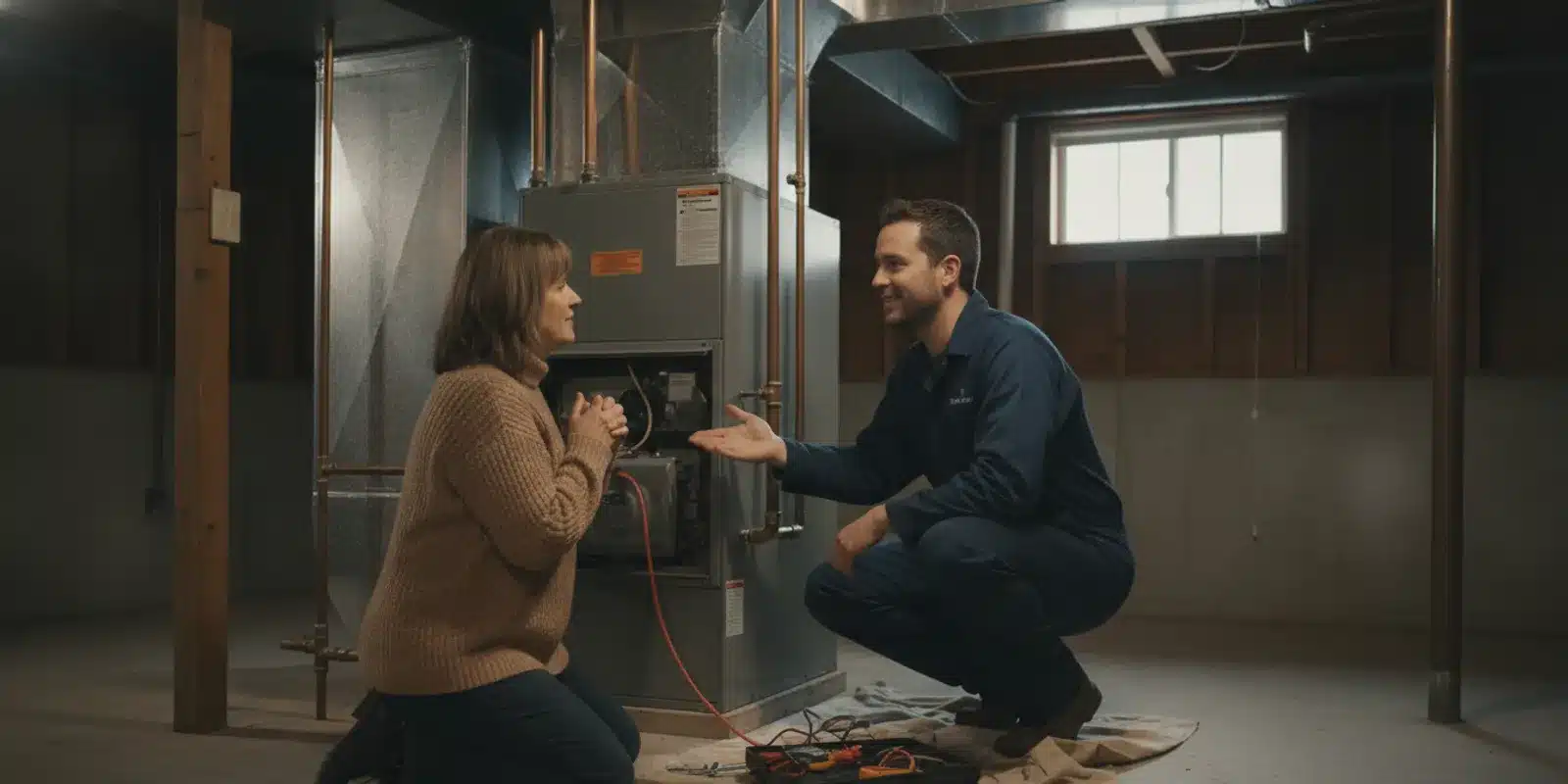
A professional visit should leave you with a clearer picture of your ductwork, not pressure to approve work you do not understand. A qualified technician will inspect the system, explain what they find, and separate cleaning needs from repair needs. Ask questions throughout the appointment, and ask the technician to show you the evidence behind any recommendation.
- Inspect the accessible parts of the system. The technician will review supply and return vents, registers, accessible duct sections, the air handler, filter area, and visible connections. They may look for accumulated debris, disconnected joints, crushed sections, moisture, or suspected biological growth. Not every part of a heating and cooling system can be seen during a standard inspection. The EPA advises homeowners to ask a provider to show them any mold the provider claims to have found. A substance that looks like mold is not automatically confirmed mold, since positive identification may require an expert or laboratory analysis. Read the EPA guidance on duct cleaning before approving treatment based only on a visual claim.
- Agitate and vacuum contaminants when cleaning is justified. If the inspection shows significant contamination or obstruction, the technician can recommend professional duct cleaning. The cleaning process typically uses mechanical agitation to loosen dust and debris from duct surfaces, followed by controlled vacuum collection to remove the loosened material. The goal is to contain and remove contaminants rather than stir them into the home. This is different from a quick vent wipe or a promise that cleaning will solve every indoor air quality concern. The EPA notes that much of the dirt in ducts adheres to duct surfaces and that dirty ducts are only one of many possible particle sources in a home.
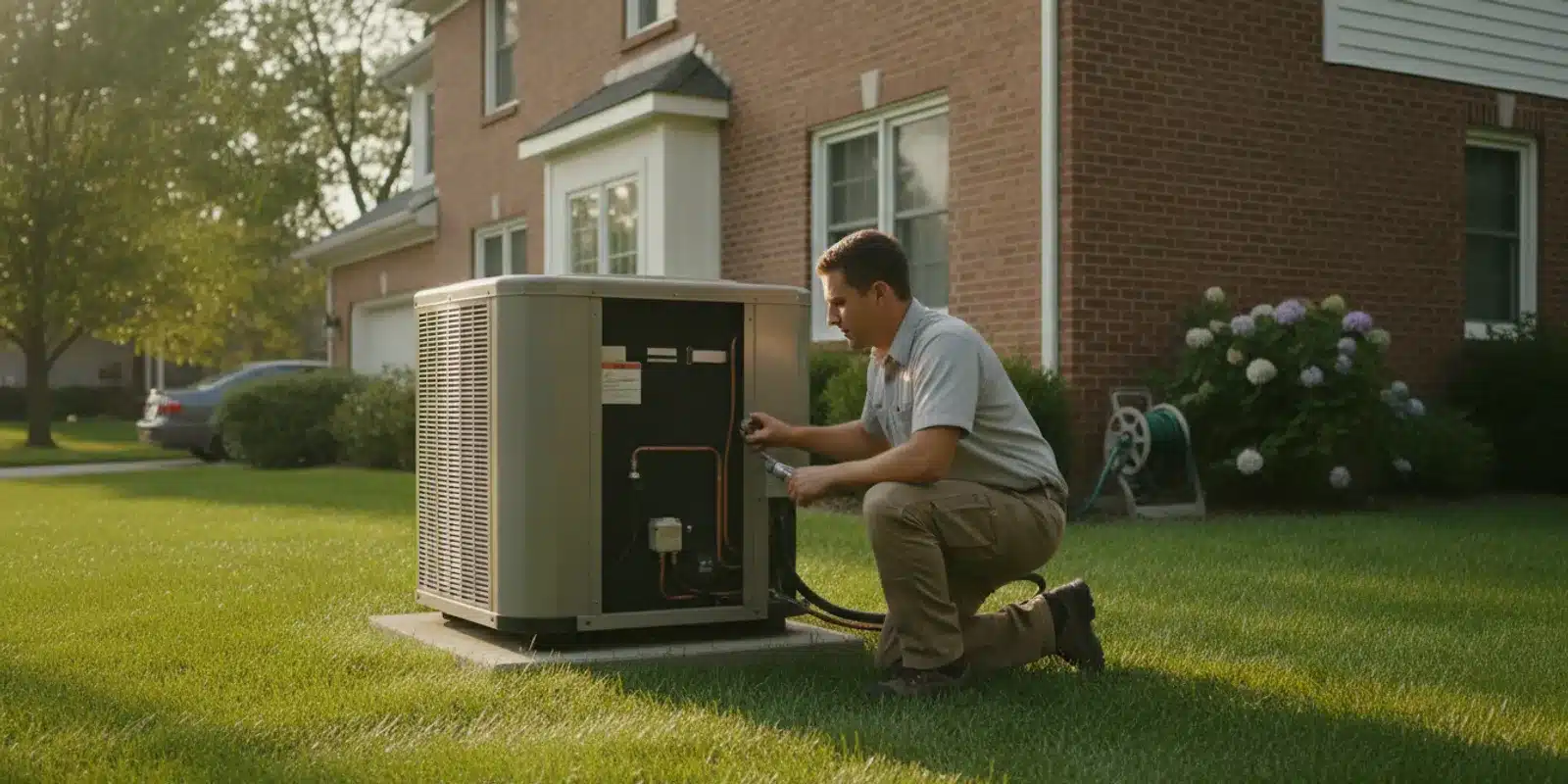
- Seal or repair gaps, joints, and damaged sections. Cleaning cannot correct a disconnected joint, puncture, crushed flex duct, or leaking connection. When the inspection identifies a physical defect, the technician should explain whether sealing, reconnection, or duct replacement is the appropriate repair. Ask which areas need attention, what result the repair is intended to achieve, and whether any recommended work is urgent. Transparent service means you can understand the problem before deciding how to address it.
- Complete a final check and review the findings. After cleaning or repairs, the technician should verify that accessible connections are secure, registers and grilles are properly replaced, and the system is operating as expected. Request a summary of what was inspected, what was cleaned or repaired, and anything that still needs monitoring. Armor Air emphasizes transparent, no-pressure service, with no trip charge ever and same-day service when available. The right outcome is a documented recommendation that helps you make a confident decision, whether that means completing the work, planning a repair, or leaving adequate ductwork alone.
HVAC Ductwork Cleaning and Repair in Indianapolis vs a Full System Replacement
The right choice depends on what is wrong with the ductwork, not on a one-size-fits-all maintenance schedule. A professional inspection should distinguish loose surface dust from substantial contamination, disconnected joints, crushed runs. Insulation damage, or a system that is no longer a practical match for the home.
Cleaning removes contaminants from accessible duct surfaces, but it does not rebuild damaged ducts or stop air from escaping. Repair or sealing addresses leaks and physical defects. Replacement becomes reasonable when damage is widespread, access is poor, or the duct design and condition make repeated repairs a poor long-term value.
| Option | What it fixes | Best for | Cost and value |
|---|---|---|---|
| Professional cleaning | Removes substantial dust, debris, or confirmed contamination from duct surfaces and system components. | Homes with visible buildup, post-renovation debris, or significant contamination. EPA guidance says to consider cleaning when substantial visible mold is present inside hard-surface ducts. | Value depends on access, contamination, and scope. A written estimate helps determine whether cleaning is worthwhile. |
| Sealing or repair | Addresses disconnected sections, gaps, damaged insulation, crushed runs, and air leaks that can waste conditioned air. | Homes with uneven comfort, airflow problems, or higher energy use tied to defective ductwork, while most of the system remains usable. | Value depends on the number, location, and severity of defects. A written estimate should separate repair work from other recommendations. |
| Ductwork or system replacement | Replaces extensively damaged, inaccessible, poorly designed, or persistently failing components and may include a new HVAC system when appropriate. | Homes with widespread deterioration, repeated repairs, major sizing or layout problems, or equipment and ductwork near the end of their useful service life. | The investment depends on the condition, layout, accessibility, and scope of replacement. Compare the written scope and expected service life before deciding. |
Do not clean ducts simply because dust exists
The EPA notes that duct cleaning has not been shown to prevent health problems, and much household dust adheres to duct surfaces instead of necessarily entering living areas. Dirty ducts are also only one possible source of indoor particles. That makes a visual inspection and clear explanation more valuable than an automatic cleaning recommendation. If someone claims mold, ask to see the evidence. Many HVAC sections are not visible, and positive mold identification may require an expert or laboratory analysis. Professional ductwork cleaning can make sense when contamination is substantial, while duct repair in Indianapolis is the more direct answer to leaks or damage.
Ask for a written scope and transparent pricing before approving work. That approach helps you compare a targeted repair with replacement based on condition, expected service life. And your budget, rather than paying for a service that does not address the actual problem.
Schedule a ductwork evaluation with Armor Air today to get a clear recommendation.
Frequently Asked Questions
When should you have your air ducts cleaned?
Consider a professional inspection when you see substantial debris or suspected biological growth, after a major renovation, or when persistent dust concerns remain despite normal filter changes. The EPA specifically recommends considering cleaning when there is substantial visible mold growth inside hard-surface ducts or on HVAC components. Ask the technician to show you the evidence before approving the work.
Is duct cleaning a waste of money?
Not necessarily, but it is not automatically useful for every home. Cleaning can be worthwhile when ducts are significantly contaminated or obstructed. Light household dust alone does not prove a health hazard, and duct cleaning has not been shown to prevent health problems, according to the EPA. A professional evaluation helps separate a real duct problem from a broader indoor-air-quality concern.
How much does duct cleaning cost in Indianapolis?
There is no reliable one-size-fits-all price. The total depends on the home’s size, the number and accessibility of duct runs, contamination levels, and whether repairs are needed. Request a written estimate that separates cleaning, sealing, repairs, and any recommended testing. That makes it easier to compare value without paying for services your system does not need.
How often should HVAC ducts be cleaned?
There is no universal calendar for duct cleaning. Many homeowners only need service when there is a specific condition, such as visible contamination, renovation debris, pest intrusion, or a confirmed moisture problem. Regular filter replacement and professional HVAC maintenance can help reduce buildup, but they do not replace an inspection when airflow, comfort, or cleanliness concerns continue.
What is the difference between duct cleaning and duct repair?
Duct cleaning removes dust and other contaminants from the duct surfaces and connected components. Duct repair addresses physical problems such as disconnected sections, crushed runs, damaged insulation, or air leaks. Cleaning may improve cleanliness, while repair helps keep conditioned air moving to the rooms that need it. A system may need one service, both, or neither after inspection.
Ready to Get Started With Ductwork Service?
A professional evaluation can help you determine whether cleaning, repair, or no service is the right choice for your Indianapolis home. Armor Air can provide straightforward guidance without pressure. Call Armor Air for same-day ductwork service or contact the team online. You can also call (317) 455-4448. Armor Air offers No Trip Charge Ever, helping you take the next step with confidence.