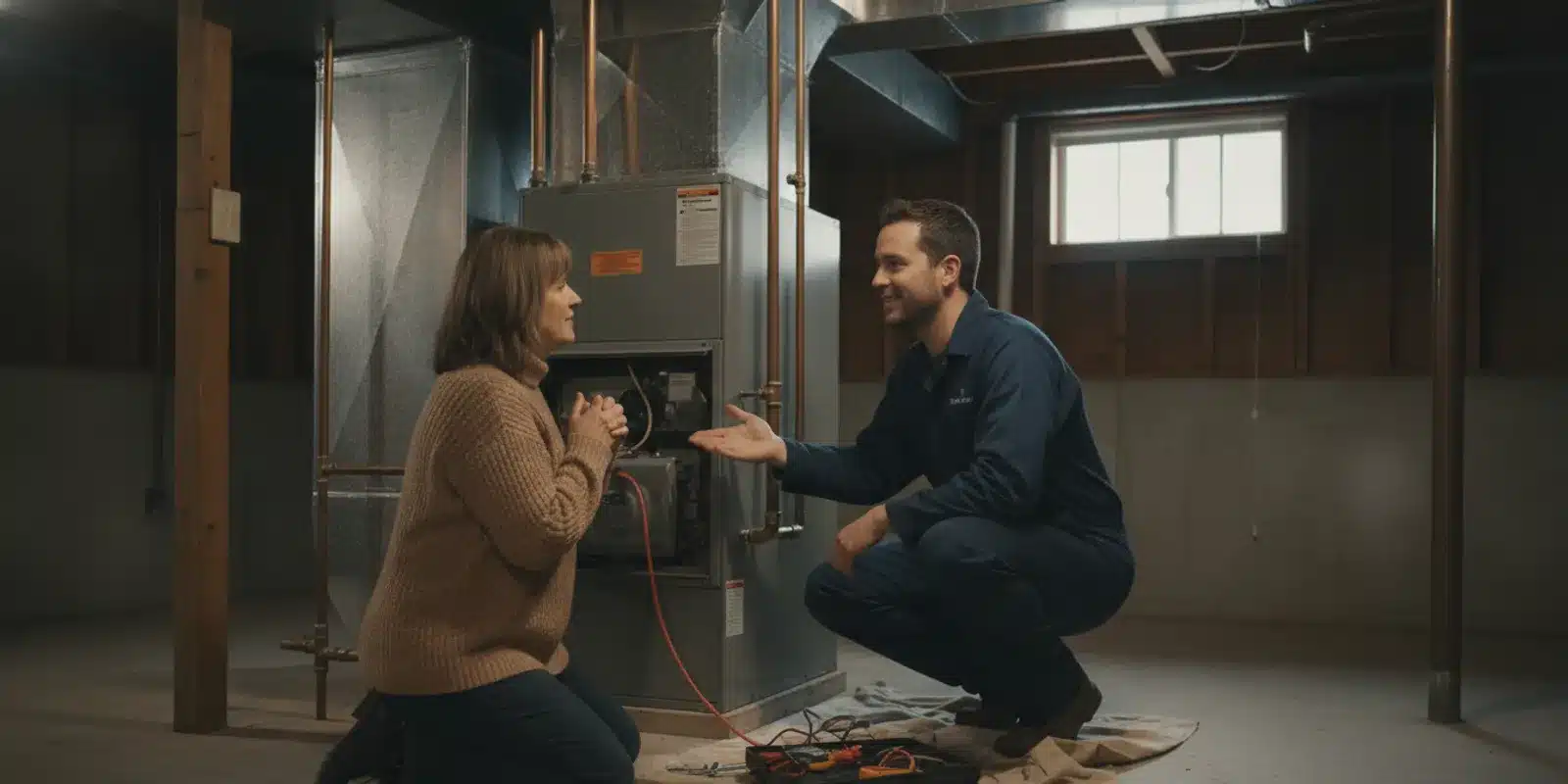
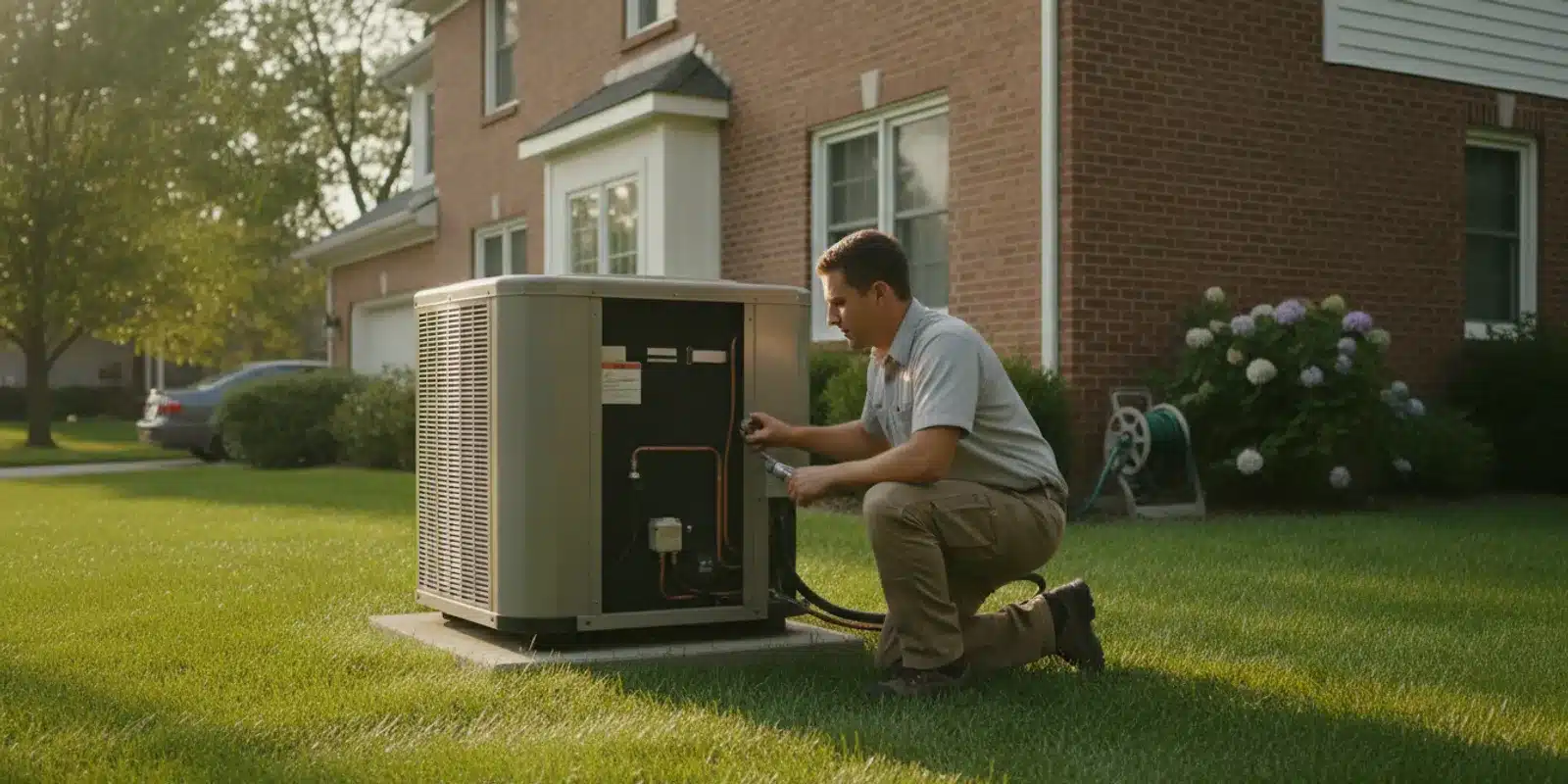
Hearing a clicking sound without any heat usually means your heating system has an ignition failure. This common problem leaves homeowners in the cold while looking for an HVAC repair troubleshooting guide for Indianapolis homeowners. Knowing why the flame stays out is the first step to bringing back comfort.
A furnace not igniting often results from a tripped circuit breaker or a clogged air filter. A dirty flame sensor can also keep the system from staying lit. Most modern units use an electronic igniter that can wear out or a pilot light that fails due to a gas supply issue. If you hear the blower fan run but do not feel heat, your system likely entered a safety lock-out. This stops gas leaks or overheating. Technical experts at Trane say that a furnace needs gas, power, and airflow to fire correctly. Checking your thermostat settings and gas valve can often solve the issue. However, internal parts failures need a technician to keep your family safe.
Call (317) 300-5024 now for same-day furnace repair in Indianapolis.
Furnace Not Igniting: What Does It Mean When a Furnace Won’t Ignite?
When your heater stops working on a cold night, it can feel like a big crisis. A furnace not igniting means the system tries to start but the burners never catch fire. This is more than a small bug. In our part of the state, a cold house leads to risks like burst pipes. Understanding how your unit works is the first step to finding a fix. Most new units use a set path to start up. If even one part of that path fails, the system will stay off for your safety. You can learn more in our HVAC repair troubleshooting guide for Indianapolis homeowners.
The furnace ignition sequence
Newer furnaces made after 2010 do not use a small flame that stays lit all the time. Instead, they use electric parts to light the fuel. This process has many steps that must happen in a set way. First, a small fan called an inducer starts to clear the vents. Next, a switch checks the air pressure to make sure the vent is open. If that switch closes, the ignitor begins to glow with high heat. Once the ignitor is hot, the gas valve opens to let fuel reach the burners. Finally, the burners light and a sensor checks for a flame. If the sensor does not find a flame, it shuts the gas off to keep your home safe. This safety step is vital for your home.
Power, fuel, and air: the three big needs
For a furnace to light, it must have gas, power, and fresh air. Even though your furnace burns fuel, it still needs power to run the board and the fan. A single blown fuse or a flipped switch can stop the whole unit. If you have power but no heat, the issue might be a lack of fuel or a block in the air path. A dirty air filter is a very common cause of this problem. A clogged filter stops air from moving, which tells the furnace to shut down. We cover these basic checks in our guide on troubleshooting when your heat won’t turn on. Experts at Trane say that proper air flow is just as needed as the fuel itself.
Why a cold furnace is an emergency in Indianapolis
In Indianapolis, winter weather can be very harsh. Temps often stay below freezing from December through February. When your furnace will not ignite, your home can lose heat in a few hours. This is an emergency because it puts your home at risk for frozen pipes. We aim to help our neighbors stay safe and warm with fast help. Our team offers same-day service and we never charge a trip fee. We do what is right for our customers to make sure no one is left in the cold during a freeze. If you ever smell gas, leave your home and call 911 at once.
Why is my furnace running but not igniting?
If your furnace fan is blowing but there is no heat, the ignition path is likely stuck. This often happens because of a dirty flame sensor, a bad ignitor, or a blocked vent. The system might try to light a few times before it locks out for safety. If a power reset does not help, you likely need a pro to check the gas valve or the ignitor.
Checking the Pilot Light vs. Electronic Ignition
Many homes in the Indy area rely on gas furnaces to handle the freezing weather of an Indiana winter. When you find your furnace is not igniting, the first step is to check your ignition type. Older furnaces use a standing pilot light, while newer units use electronic systems. Knowing the change helps you find what to look for when your heat stops working. Most systems in our area now use modern tech to start the heating cycle. Identifying your system type early helps you give clear details to a repair tech when you call for help.
Standing Pilot Lights in Older Systems
A standing pilot light is a small gas flame that stays lit at all times. It sits near the burners and waits for the heat to turn on. If this flame goes out, your furnace will not be able to light the main burners. You can do some quick checks to do before calling for furnace repair to see if the light is still on. Look for a steady, blue flame through the view port on your furnace door. A yellow or flickering flame often means the pilot burner is dirty or needs a fix. If the flame is out entirely, you may need a pro to check the gas valve or the thermocouple.
How Modern Electronic Ignition Works
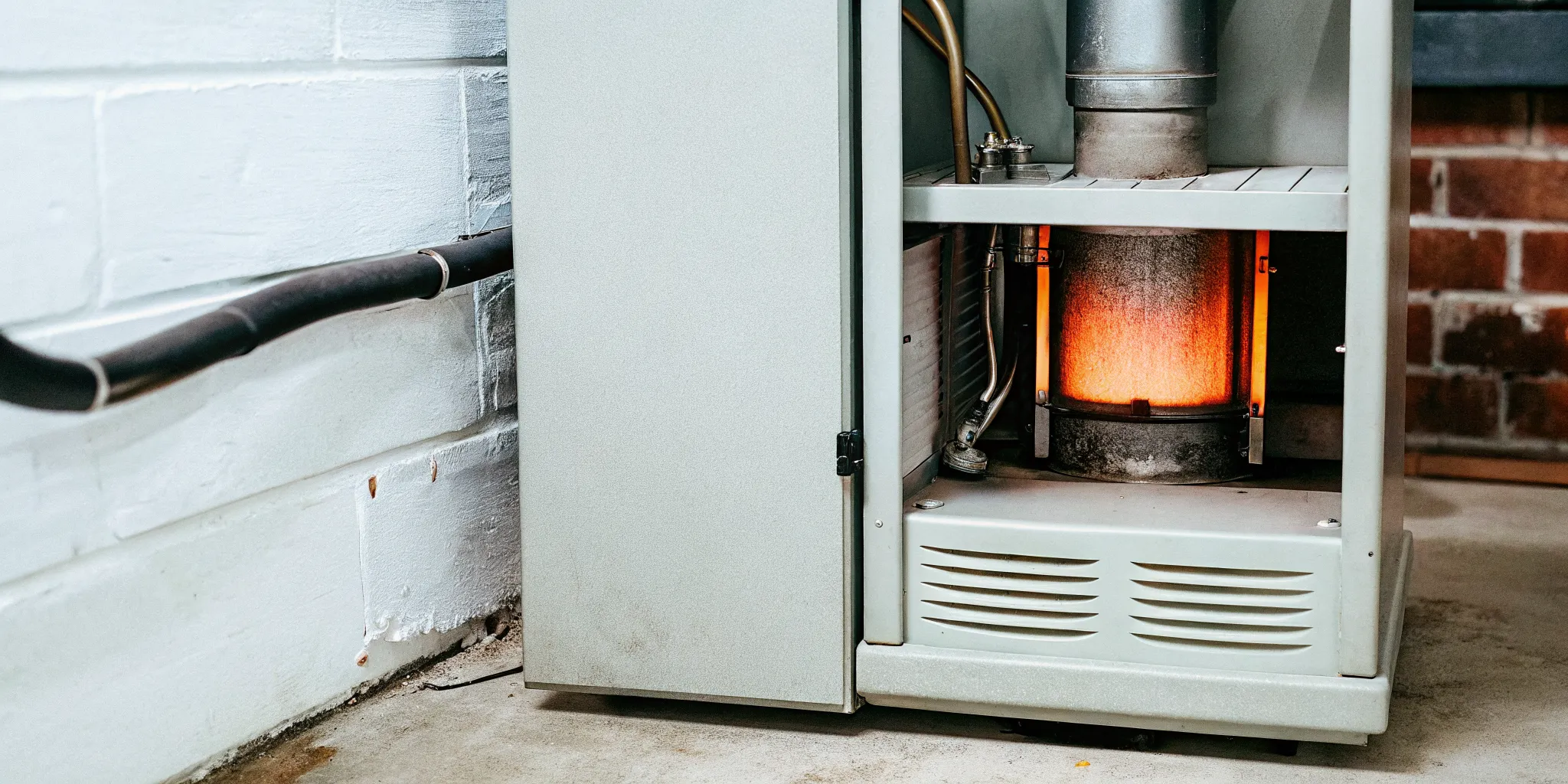
Most furnaces built after 2010 use electronic ignition instead of a constant flame. These systems are common in newer homes because they save fuel. According to Trane, electronic ignitors only turn on when the furnace needs to start. The most common type is a hot-surface ignitor. This part works much like the coil in a toaster. The furnace follows a specific start-up path. First, the inducer fan pulls air through the system. Next, the ignitor gets extremely hot and glows bright orange to light the gas. This method is safer and more steady than the old style of pilot lights.
Identifying Ignition Failure
If your furnace is not igniting, you can often spot the problem by watching the start-up cycle. For an older system, check if the pilot light has blown out or if the flame looks weak. For a modern furnace, look for a bright glow coming from the ignitor after the inducer fan starts. If the ignitor does not glow or you see visible cracks on its surface, the part likely needs a swap. You might also hear a clicking sound as the system tries to light the gas. These parts are fragile and can wear out over time due to high heat. When these signs appear, it is best to have a licensed technician check the system to ensure your home stays warm.
Call (317) 300-5024 for expert furnace ignition diagnosis and repair.
Dirty Flame Sensor: How To Identify It
If your home stays cold while the heat is on, you might have a furnace not igniting as it should. One of the most common reasons for this is a dirty flame sensor. This small part has a big job in your unit. It tells the furnace that it is safe to keep burning gas. Without it, the system would be unsafe to run.
Role of the Flame Sensor
The flame sensor is a thin metal rod. It sits in the path of the burner flame. Its main goal is to find heat once the gas lights. When it feels the flame, it sends a small power signal to the control board. This signal tells the gas valve to stay open so the furnace can heat your home.
This part is a vital safety tool. If the sensor does not find a flame, it will shut off the gas in a few seconds. This keeps unburned gas from filling your home. You can learn more about how these parts work in our HVAC repair troubleshooting guide for Indianapolis homeowners.
Signs of a Dirty Sensor
Over time, dust and soot can build up on the metal rod. This layer acts like a shield. It stops the sensor from feeling the heat of the flame. When this happens, the sensor cannot send the right signal to the gas valve. The system thinks the flame has gone out, even if it is still burning.
A dirty sensor is the most common cause of ignition failure. In the dry air of an Indiana winter, dust moves fast through your ducts and onto these parts. Keeping the unit clean is a key part of safe furnace work during the cold months.
The clearest sign of a dirty sensor is a furnace that starts and then stops fast. You might hear the burners light up for two or three seconds. Then, the flame goes out and the system shuts down. The furnace may try to light again a few times before it goes into a lockout mode for safety.
Other issues can also stop your heat. For example, a bad pressure switch checks that the fan moves air before the gas lights. In Indianapolis, ice can block your vents and trip this switch. A pro can find if the problem is a dirty sensor or a blocked vent.
Professional Repair in Indianapolis
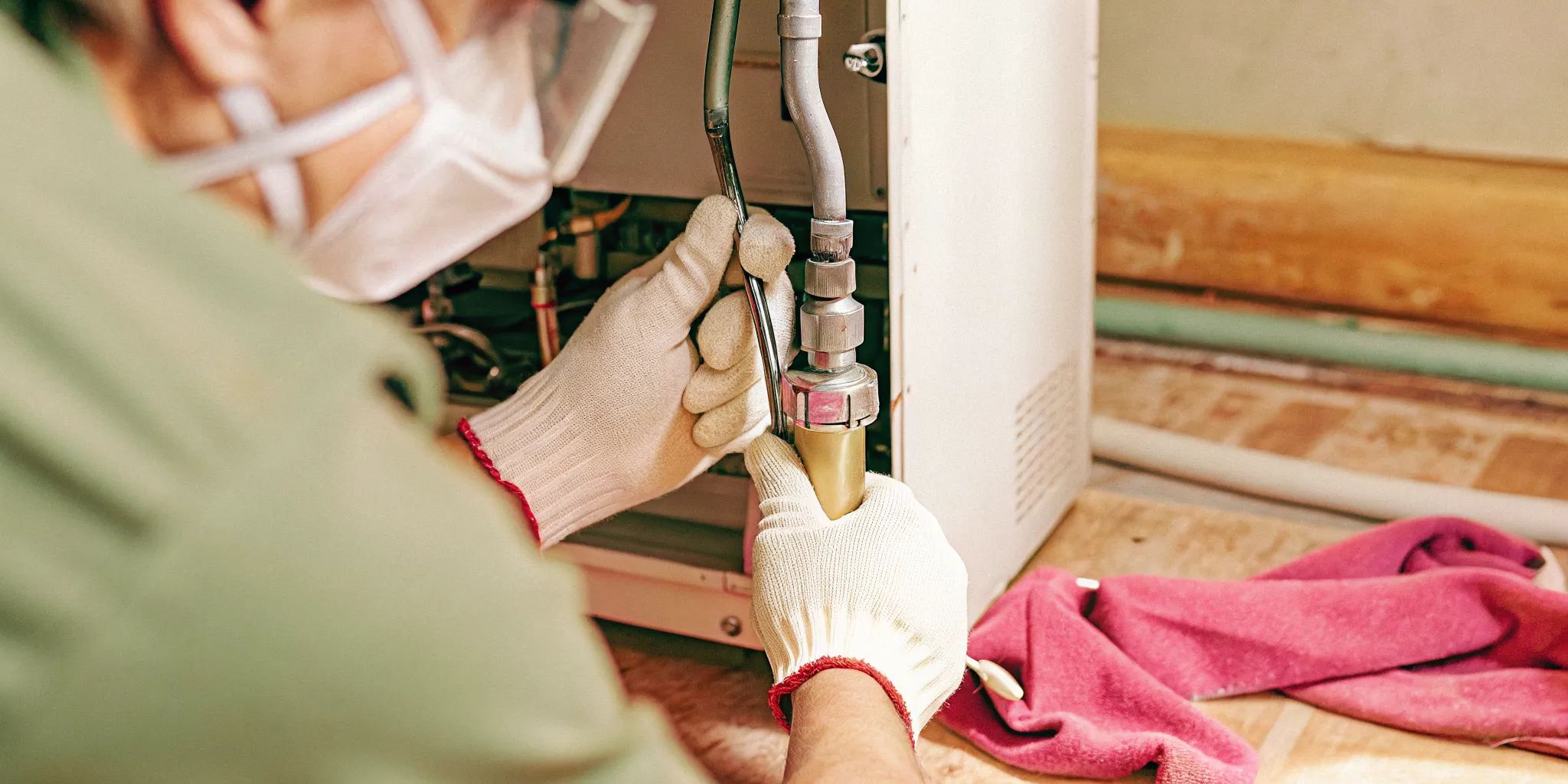
If your unit shuts off fast, do not try to clean the sensor yourself. The rod is fragile and easy to break. Also, a dirty sensor often looks like a deeper gas or power issue. You should call a pro to check the system and do the work right.
At Armor Air, we know that a cold home is a major stress. We offer same-day furnace repair to get your heat back on fast. We also offer a NO TRIP CHARGE EVER policy. This means you do not pay for us to show up. Our team has a 4.8 Google rating because we do what is right for our neighbors.
Q: Why does my furnace turn on and off repeatedly?
A: This is often caused by a dirty flame sensor. When the sensor is covered in soot, it cannot find the flame. It shuts off the gas as a safety move. A pro can clean or replace the sensor to fix this issue.
Call (317) 300-5024 for same-day furnace repair with no trip charge.
Gas Supply Issues and Safety Valve Problems
A furnace not igniting often links back to the fuel source. If your system cannot get the gas it needs, the ignition sequence will fail for safety. You should first look at the shutoff valve on the gas line near your furnace. If this valve is closed, the burners will not light. If other gas tools in your home like a stove or water heater work fine, the main gas line is likely okay. But if no gas tools work, you may have a utility issue.
Safety first for gas leaks
Your safety is the top priority. If you smell gas or a rotten egg odor, do not try to fix the unit. You must leave your home right away and call 911 from a safe spot. Gas leaks are rare but very dangerous, so always trust your nose. You can read more in our HVAC repair troubleshooting guide for Indianapolis homeowners to stay safe.
Pressure switch and frozen vents
The pressure switch is a key safety tool. It checks that the fan is moving air before the gas valve opens. In cold Indiana winters, snow or ice can block your furnace exhaust vents. This blockage prevents the switch from closing, which stops the ignition. A frozen condensate line can also cause this problem. If you think your vents are icy, you may need a pro to clear them and check the switch. You can find more quick checks before calling for furnace repair on our site.
Understanding furnace lockout
Modern furnaces use a safety mode called lockout. If the unit fails to light three to five times, the control board stops all further tries. This prevents raw gas from building up in your home. When this happens, you might see a blinking LED light on the furnace. These flashes are error codes that tell us what went wrong. You can try a reset by turning the power off for 30 seconds. But a lockout often means a part like the gas valve or ignitor needs repair. According to CDC guidelines, proper venting and safety switches are vital to prevent carbon monoxide risks.
- Check that the gas shutoff valve is in the open position.
- Verify that other gas appliances in the home are working.
- Look for ice or snow blocking the exterior exhaust pipes.
- Check the furnace control board for blinking light codes.
How Much Does Furnace Ignition Repair Cost?
Most homeowners want to know the price when they find their furnace not igniting on a cold night. In the Indianapolis area, you can plan to pay between $150 and $500 for a typical ignition repair. This price often covers the cost of the service call, the new part, and the labor to set it up. The final bill depends on which part has failed and how hard it is for the tech to reach it.
Common ignition repair prices
Replacing a hot-surface ignitor is one of the most common repairs for modern systems. This job usually costs between $150 and $400. The part itself is not very expensive, but it needs careful work during the swap. If the ignitor glows but the gas does not light, the part might not be getting hot enough to start the flame.
A dirty flame sensor is another common reason for a furnace not igniting. If the sensor is just dirty, a pro can often clean it during a standard tune-up. This is one of the best ways to save money on repairs. You can stay ahead of these issues by preparing your furnace for winter before the cold hits your home.
Factors that change the price
The total cost of your repair can go up if the issue is more complex than a bad ignitor. For example, a failing gas valve or a bad control board will cost more to replace than a simple sensor. The age of your furnace also matters because parts for older units can be harder to find. If your system is over 15 years old, you might spend more on keeping it running each year.
Weather and timing can also play a role in what you pay. During an Indiana winter, an ignition failure can quickly become an emergency. Frozen vents or blocked pipes can cause the furnace to lock out for safety. The Department of Energy notes that regular furnace maintenance is the best way to keep your system running well. This helps you avoid high repair bills when you need heat the most.
The Armor Air pricing difference
At Armor Air, we do things differently to help our neighbors in Indianapolis. Most HVAC companies in our area charge a fee just to check your system of $85 to $185. We have NO TRIP CHARGE EVER, so you never pay just for us to show up at your house. This helps you save money right from the start of the service call.
We focus on doing what is right and giving you honest answers. Our team has a 4.8 Google rating with over 977 reviews because we treat every home with care. We also offer 0% financing for 12 months to help you fit repairs into your budget. If your furnace is acting up, we give same-day service to get your home warm again fast.
When Is It Time To Replace Instead of Repair?
A furnace that will not light may just need a quick fix to get it running again. Other times, the failure is a sign that the whole system is hard to trust. You must decide if you should pay for a repair now or buy a new unit for the long term.
A basic fix for a furnace that is not igniting might cost between $150 and $500. A full new furnace setup most often costs between $4,000 and $10,000. For people in Indianapolis, the choice often comes down to how old the unit is and how much it costs to run each month.
Age and How Often It Breaks
Most gas units last about 15 to 20 years before they start to fail. If your system is less than 10 years old, a repair is most often the right call to save money. But when a unit gets past 15 years, parts like the blower motor or heat exchanger tend to break more often.
If you have needed three or more fixes in the last two years, the repair bills can grow very fast. In these cases, it is often better to put that money toward a new system that you can trust. A new unit will also run more quietly and keep your home at a steady temp.
Fuel Use and Running Costs
Old furnaces often waste a lot of fuel because they were not built to modern standards. A unit with a low fuel-use rating wastes more gas and makes your monthly bills much higher. New high-use models can save you money every month by using less energy.
Good air flow is also a big part of how well your system works and how long it lasts. The Environmental Protection Agency says that steady air flow is a key part of keeping your home safe and healthy. Clean filters and clear vents help your furnace light easily and run well.
| Factor | Repair the Unit | Replace the Unit |
|---|---|---|
| System Age | Under 10 years old | Over 15 years old |
| Repair History | First or second fix | 3 or more in 2 years |
| Fuel Use | 90% AFUE or higher | Under 80% AFUE |
| Total Cost | $150 to $500 | $4,000 to $10,000 |
Making the Best Choice for Your Home
The best choice for your home depends on your budget and your plans for the future. If you are choosing between a heat pump and gas furnace, our team can help you find the right fit for your home size. Armor Air offers 0% financing for 12 months to make a new unit easier to pay for.
We also provide same-day service so you do not have to wait in the cold when your heat fails. Our goal is to do what is right for you by giving you honest advice on whether to fix or swap your unit. We charge no trip fee to come out and look at your system, which saves you money from the very first step.
Frequently Asked Questions
Why is my furnace running but not igniting?
If your furnace blower runs but you have no heat, the ignition steps have likely stalled. This often happens because of a dirty flame sensor, a failed ignitor, or a closed gas valve. The system may try to light several times before it enters a safety lockout mode. According to First American Home Warranty, a dirty air filter can also cause this by blocking airflow and triggering safety switches.
How can I tell if my furnace ignitor is bad?
A bad furnace ignitor will often show clear signs like cracks or dark spots on its surface. You may also hear the furnace click several times without a flame appearing. On modern units, the ignitor should glow bright orange or white when the system calls for heat. If there is no glow or the part is cracked, it likely needs replacement. Most furnace ignitors last about seven to ten years before they burn out.
What stops a furnace from igniting?
Several parts can stop a furnace from igniting, such as a dirty flame sensor, a failed ignitor, or a tripped pressure switch. If the fan does not move enough air, the pressure switch will stay open and stop the gas from flowing. Blocked vents or a clogged air filter are common causes of this issue. According to Armor Air, regular tune-ups can find and fix these problems early.
How much does it cost to fix a furnace ignitor?
Replacing a furnace ignitor usually costs between $150 and $400 for parts and labor. The price depends on your furnace model and how easy the part is to reach. While the part itself does not cost much, an expert should install it to ensure safety. At Armor Air, we offer same-day service with no trip charge ever. This can save you about $85 to $185 compared to what other local companies charge.
Ready to schedule same-day furnace repair in Indianapolis?
A furnace that will not light is a serious risk when the Indiana weather turns cold. Leaving the ignition problem alone can lead to frozen water pipes and much higher repair costs if the system fails for good. Booking an expert visit now ensures your home stays warm and your family stays safe through the night without the fear of a breakdown. Our team is ready to get your heat back on fast with our same-day service and no trip charge ever. You can relax knowing that your home is safe and that your heating system will be ready for the rest of the long Indiana winter.
Ready to schedule same-day furnace repair in Indianapolis? Call (317) 300-5024 to book your service and get your heat back on today.