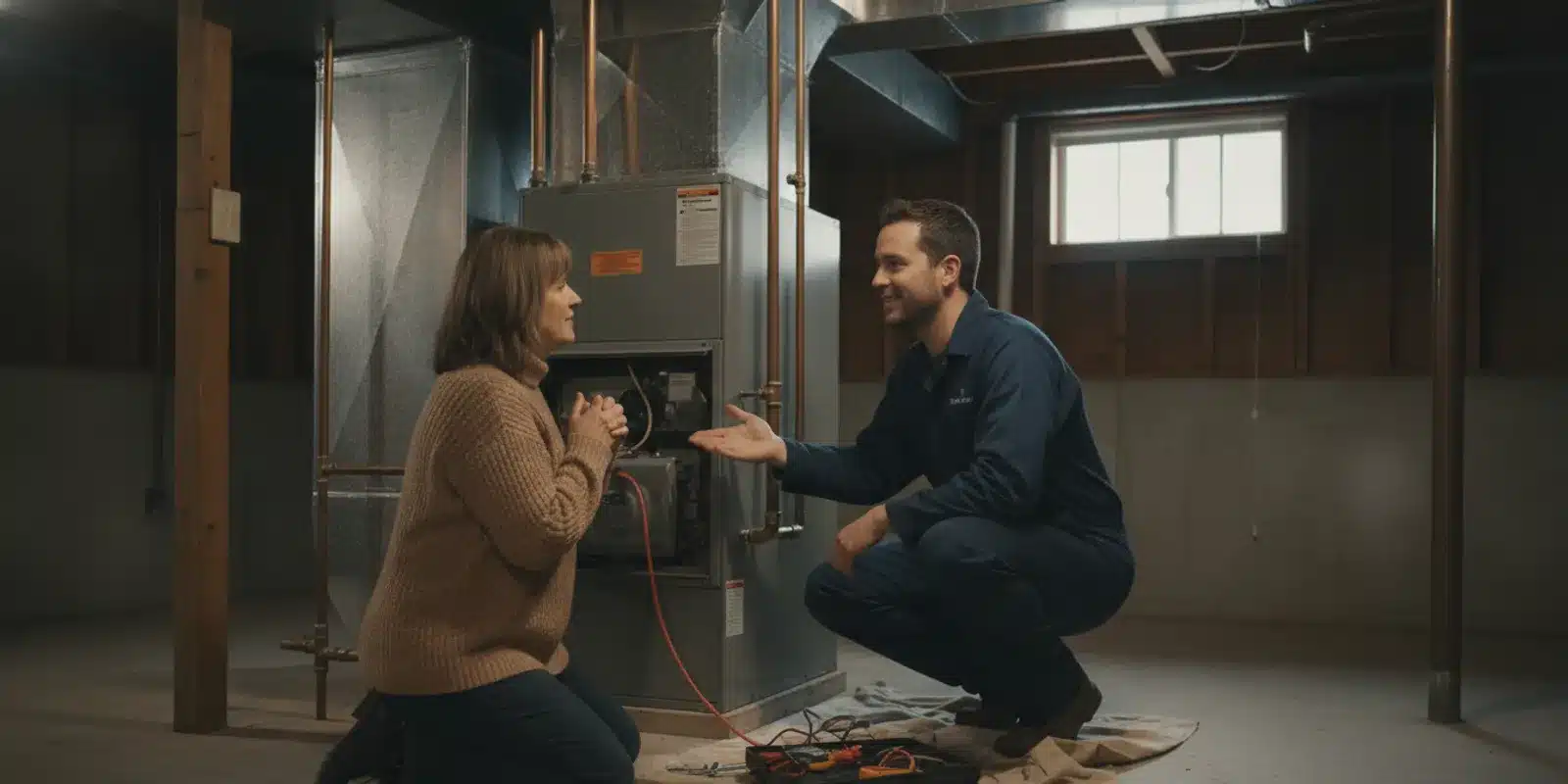
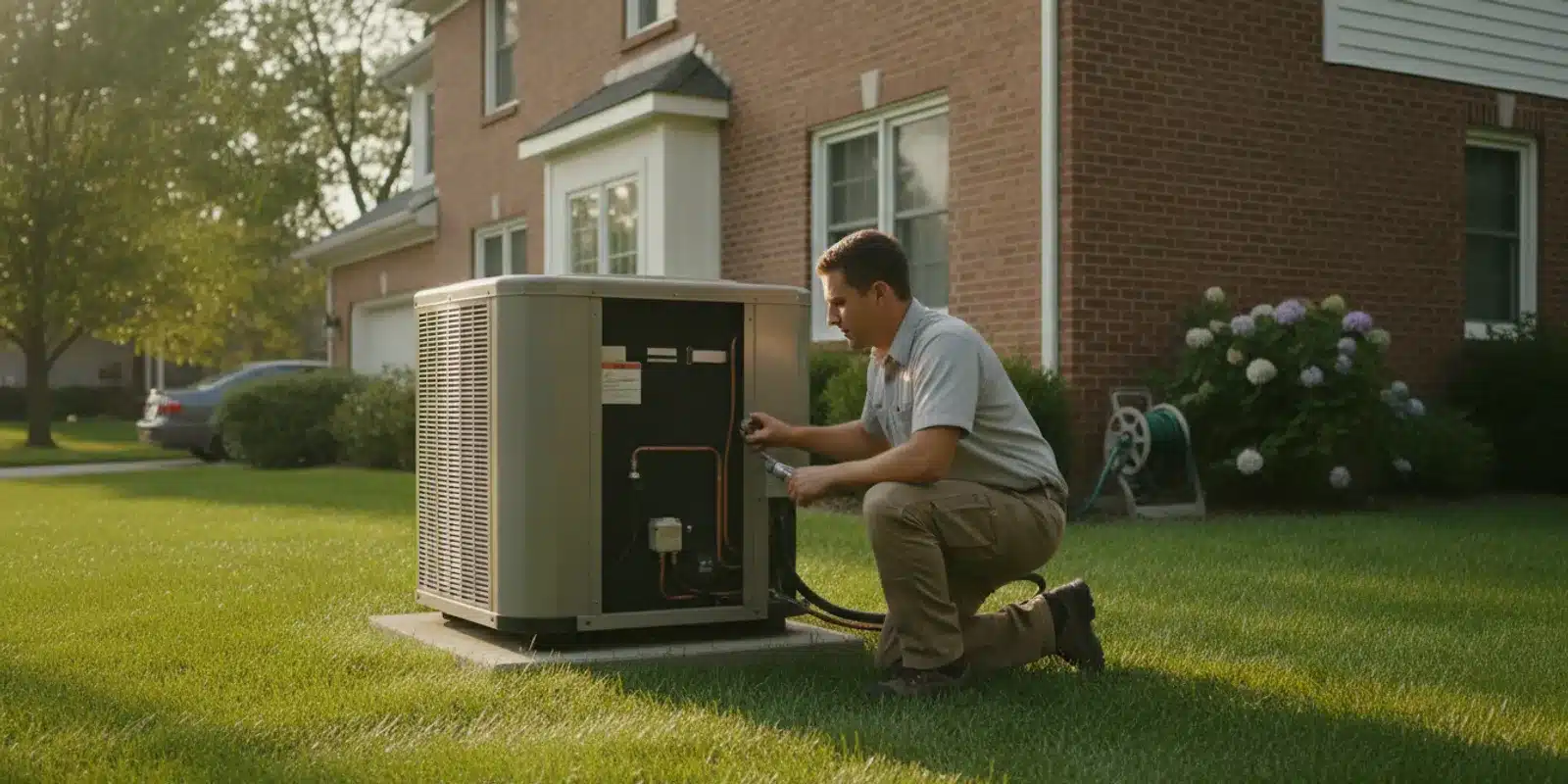
A broken air conditioner can make you feel completely powerless. You’re stuck in an uncomfortable home, waiting for a technician and hoping the final bill won’t break the bank. This guide is here to put you back in control of the situation. By learning to recognize your AC’s warning signs, understanding what goes into repair pricing, and knowing how to vet a professional, you can turn a stressful emergency into a manageable problem. We’ll give you the clear, actionable information you need to confidently navigate the central air conditioning repair process, ensuring you make the right choice for your home and your budget.
Key Takeaways
- Recognize warning signs and practice simple maintenance: Strange noises, weak airflow, and leaks are your AC’s way of asking for help. You can prevent many expensive problems by performing easy tasks like changing your air filter and keeping the outdoor unit clear.
- Know when to repair versus replace: Use the 50% rule as a guide, if a repair costs half the price of a new system, replacement is likely the better investment. Also consider your AC’s age and the long-term energy savings a new, efficient unit can provide.
- Prioritize the professional, not just the problem: The technician you hire is your most important decision. Look for a licensed and insured company with transparent pricing, service warranties, and a strong history of positive customer reviews to ensure the job is done right.
What Is Your Central AC Trying to Tell You?
Your air conditioner usually gives you hints before it breaks down completely. Think of it like a quiet conversation: a strange noise here, a weird smell there. Learning to interpret these signals can help you catch problems early, saving you from a sweltering home and an expensive emergency repair. If you notice any of these common warning signs, your AC is likely asking for help.
Warm Air or Weak Airflow
When you expect a blast of cold air on a hot day and get a lukewarm puff instead, it’s a clear sign something is wrong. If the air coming from your vents feels weak or isn’t cold, the problem could be simple, like a dirty air filter that’s restricting airflow. However, it can also point to more serious issues within your HVAC system, such as a failing compressor or low refrigerant levels. Don’t just turn the thermostat down lower; investigate the cause. A system blowing warm air is working hard for no reason, which only wastes energy and puts more strain on its components.
Strange Noises or Smells
Your AC should operate with a consistent, low hum. If you start hearing new, loud, or unusual sounds, it’s time to pay attention. Grinding or squealing noises often suggest a problem with the motor or bearings, while banging or clanking could mean a loose or broken part. Similarly, strange odors are a major red flag. A musty smell can indicate mold or mildew in the ductwork or drain line, while a burning smell could signal an electrical failure. Turn off your unit immediately if you smell burning and call a professional.
Leaks and High Indoor Humidity
Your air conditioner is designed to remove humidity from the air, so you should never see water pooling around your indoor unit. If you spot a leak, it’s often caused by a clogged condensate drain line, which can lead to water damage and mold growth. You might also notice that your home feels sticky or humid even when the AC is running. This is a sign that your system isn’t dehumidifying properly. A properly functioning AC is key to maintaining comfortable indoor humidity levels, and ignoring these signs can compromise both your comfort and your home’s air quality.
Frequent Cycling and Spiking Energy Bills
Does your air conditioner turn on and off constantly, running for just a few minutes at a time? This is called short cycling, and it’s a sign that your system is struggling. It could be happening because the unit is oversized for your home, low on refrigerant, or has a faulty thermostat. Whatever the cause, frequent cycling is inefficient and puts a lot of wear and tear on the compressor. You’ll likely notice this problem reflected in your utility bills. If your energy costs are suddenly much higher than usual with no obvious explanation, your AC’s performance is a good place to start looking.
Signs of a Refrigerant Leak or Compressor Failure
Refrigerant is the substance that cools the air in your AC system. It runs in a closed loop, so low levels mean you have a leak. Signs of a refrigerant leak include warm air from the vents, ice forming on the refrigerant lines, or a hissing sound. Continuing to run your AC with a leak can cause irreversible damage to the compressor, which is the heart of your air conditioner and one of the most expensive parts to replace. If you suspect a leak or other major issue, it’s best to turn the system off and book an appointment with a trusted technician right away.
How Much Does Central AC Repair Cost?
Let’s talk about the number one question on every homeowner’s mind when their air conditioner breaks down: How much is this going to cost? It’s stressful when you’re facing a surprise repair, and the uncertainty around the final bill doesn’t help. The truth is, the cost to fix a central air conditioner can range from a simple, inexpensive fix to a major, multi-thousand-dollar repair. The final price depends entirely on what’s wrong with the unit.
Think of it like a car repair. A flat tire is one thing; a new transmission is something else entirely. Your AC is a complex system with many different parts, and the cost to fix it will reflect the specific part that failed, the labor involved, and the urgency of the repair. While it’s impossible to give a precise quote without a proper diagnosis, understanding the potential costs for common issues can help you feel more prepared. At Armor Air, we believe in transparent pricing, so you’ll always know what to expect before we start any work. Our goal is to get your home cool again without any financial surprises.
A Breakdown of Repair Costs by Part
The single biggest factor determining your repair bill is the part that needs to be replaced. A central AC repair can cost anywhere from $100 to over $5,000, and that huge range is all about the components. Some parts, like capacitors or fuses, are relatively quick and affordable to replace. Others, like the compressor or evaporator coil, are major components that are much more expensive and labor-intensive to fix. A professional technician can perform diagnostic tests to pinpoint the exact cause of the problem. Once they identify the faulty part, they can give you a clear and accurate quote for the repair. Getting a professional diagnosis for your HVAC system is always the first step toward understanding the true cost.
Refrigerant Recharge and Leak Repair
If your AC is blowing warm air, you might suspect it’s low on refrigerant. Here’s the thing: your AC doesn’t “use up” refrigerant like a car uses gas. If it’s low, it means there’s a leak somewhere in the system. Simply adding more refrigerant without fixing the leak is a temporary fix at best. The correct approach is to find the leak, repair it, and then recharge the system to the proper level. The cost for this can vary widely depending on how difficult the leak is to locate and the type of refrigerant your system uses. Older refrigerants are being phased out and can be more expensive, which is another factor to consider when weighing repair versus replacement.
Capacitor and Circuit Board Replacement
Some of the most common AC failures involve its electrical components. A capacitor, which gives the motors the jolt they need to start and run, is a frequent culprit. Replacing it is a relatively straightforward job, typically costing between $100 and $400. Another key electrical part is the circuit board, which acts as the brain of your AC unit. If the board fails, your system won’t know when to turn on or off. A circuit board replacement can range from $75 to $600, depending on the model. While these are some of the more affordable repairs, they still require a trained professional to handle the electrical work safely and correctly.
Compressor and Coil Replacement
Now for the heavy hitters. The compressor, condenser coil, and evaporator coil are the core components of your air conditioner. The compressor is the heart of the system, pumping refrigerant through the coils to cool your home. The coils are where the actual heat exchange happens. Unfortunately, replacing one of these parts is a major and costly repair. A compressor replacement can run from $900 to $2,900, while replacing a condenser or evaporator coil can cost anywhere from $1,000 to over $5,000. When faced with a repair this significant, especially on an older unit, it’s often time to start discussing whether a full system replacement might be a smarter long-term investment.
What Affects the Final Price?
Beyond the cost of the part itself, a few other factors can influence your final bill. Many companies charge a service call fee just to come to your home, but at Armor Air, we have no trip charges. The complexity of the job also matters; a simple part swap will cost less in labor than a repair that requires hours of detailed work. If you need service on a weekend, holiday, or late at night, expect to pay more for emergency rates. The best way to get a clear and accurate price is to have a trusted professional assess the situation. You can book an appointment with our team, and we’ll provide an upfront quote with no hidden fees.
Repair or Replace? How to Make the Right Call
Facing a major AC repair bill can leave you wondering if you’re making the right move. Should you pay for the fix, or is it time to invest in a whole new system? It’s a big decision, and the answer isn’t always obvious. Pouring money into an aging unit feels risky, but the upfront cost of a replacement is significant. The key is to look beyond the immediate repair cost and consider the long-term picture. Factors like your AC’s age, its overall efficiency, and how well it’s keeping your home comfortable all play a role. Making an informed choice now can save you from future headaches and surprise expenses. This guide will walk you through the key considerations to help you decide whether a repair or a full HVAC system replacement is the smartest path for your home and your budget.
Apply the 50% Rule
Here’s a straightforward guideline many homeowners find helpful: the 50% rule. It’s simple: if the cost of a repair is 50% or more of the price of a new, comparable air conditioner, it’s usually more economical to replace it. Think of it this way, spending a large sum on an older unit doesn’t guarantee it won’t have another problem next season. Investing that money into a new system instead gives you a fresh start with a reliable, warrantied appliance. This rule helps you avoid a cycle of expensive repairs on a unit that’s already near the end of its life.
Consider Your AC’s Age
The age of your air conditioner is one of the most important factors in this decision. Most central air systems have a lifespan of about 10 to 15 years. If your unit is in that age range or older and is starting to require frequent repairs, it’s a strong sign that it’s time for a replacement. While a single repair might seem cheaper now, the costs of multiple service calls can add up quickly. An older system is simply more likely to break down again. Upgrading to a new unit means you can stop worrying about the next unexpected failure and enjoy reliable cooling.
Weigh Energy Efficiency and Long-Term Savings
A new air conditioner isn’t just a purchase; it’s an investment in your home’s efficiency. AC technology has improved dramatically over the last decade. Modern units are designed to cool your home using significantly less energy, which translates directly into lower monthly utility bills. While the upfront cost of a new air conditioning installation is higher than a repair, the long-term energy savings can help offset that initial expense over time. You’ll get a more powerful and reliable system that costs less to run each month, which is a win-win.
Factor in Your Home’s Comfort and Air Quality
Your AC’s performance is about more than just temperature; it’s about your overall comfort. If your current system struggles to keep up on hot days, leaves some rooms warmer than others, or can’t control indoor humidity, a repair might not solve the underlying problem. Excessive moisture on your windows or a constantly stuffy feeling are signs that your AC is failing to dehumidify the air properly. A new, correctly sized system will not only cool your home effectively but also improve your indoor air quality, making your space more comfortable and healthier for your family. When you’re ready for an expert opinion, you can book an appointment with our team.
How to Choose a Reliable AC Repair Service
When your air conditioner stops working on a hot day, the last thing you want is the added stress of finding a trustworthy technician. You need someone who can fix the problem quickly without cutting corners or surprising you with hidden fees. Choosing the right company is the most important step in getting your home comfortable again. To make sure you’re hiring a true professional, focus on these four key areas.
Verify Licensing, Insurance, and Certifications
Before you let anyone work on your system, confirm they are licensed and insured. A license proves the contractor has met state and local requirements, showing they have the technical knowledge to do the job correctly and safely. Insurance is just as important, as it protects you and your home from liability in case of an accident. A reputable company will be happy to provide proof of their credentials. This simple check ensures the technician you hire is qualified and adheres to industry standards, giving you peace of mind that the repair will be done right the first time.
Look for Transparent Pricing and Warranties
A trustworthy AC repair company will always be upfront about costs. They should provide a clear, detailed explanation of the problem and a written estimate before any work begins. Be wary of vague quotes or pressure to make an immediate decision. At Armor Air, we believe in transparency, which is why we have no trip charges. A professional contractor also stands behind their work with a warranty on both parts and labor. This guarantee shows they are confident in their services and committed to your long-term satisfaction, ensuring you won’t be left paying for the same repair twice.
Prioritize Same-Day Service and Fast Response
An air conditioning emergency can’t wait. During a heatwave, a broken AC isn’t just an inconvenience; it can be a health risk. That’s why a company’s response time is a huge indicator of their customer service. Look for a contractor that offers same-day or emergency services. A company that prioritizes getting to you quickly understands the urgency of your situation and is structured to handle it. When you’re sweating it out at home, knowing you can get help quickly makes all the difference. It shows the company values your comfort and is ready to solve your problem without delay.
Read Online Reviews and Check Their Reputation
In the past, we relied on a neighbor’s recommendation. Today, online reviews are the new word-of-mouth. Before you call a company, take a few minutes to see what past customers have to say on sites like Google. Don’t just look at the star rating; read the comments to get a feel for their reliability, professionalism, and quality of work. Are customers happy with the results? Did the technician arrive on time? Consistent positive feedback is a strong sign that you’re dealing with a dependable company. For example, Armor Air is proud to have a 4.8-star rating from hundreds of Indianapolis homeowners.
Simple Maintenance to Prevent Costly Repairs
The best way to handle an expensive AC repair is to prevent it from happening in the first place. While some issues are unavoidable, a little proactive care can go a long way in keeping your central air conditioner running smoothly and efficiently. Think of it as a small investment of your time that pays off with lower energy bills, better performance, and fewer surprise breakdowns on the hottest day of the year. You don’t have to be an HVAC expert to perform these simple tasks.
Most of these maintenance steps take just a few minutes and can save you hundreds, if not thousands, of dollars in the long run. By keeping key components clean and clear, you reduce the strain on your system, extend its lifespan, and maintain your home’s comfort. Here are four essential maintenance habits that will help you protect your investment and keep your cool all summer long.
Change Your Air Filter Every 1-3 Months
This is one of the easiest and most impactful things you can do for your AC system. A clean air filter allows air to flow freely, while a clogged one forces your system to work much harder to cool your home. This extra strain not only drives up your energy bills but can also lead to overheating and premature failure of expensive parts. Changing your air filter every one to three months is a simple step that keeps your unit running efficiently. If you have pets, smokers, or allergy sufferers in the house, you should check the filter monthly and change it as needed to maintain healthy indoor air quality.
Keep the Outdoor Unit Clean and Clear
Your outdoor AC unit, or condenser, is designed to release the heat pulled from inside your home. To do this effectively, it needs plenty of airflow. When the unit is covered in dirt, leaves, grass clippings, or cottonwood fluff, it can’t breathe properly. This traps heat and forces the compressor to work overtime, which can lead to a breakdown. Make it a habit to clear away any debris and trim back shrubs or plants so there are at least two feet of clearance around the entire unit. A quick rinse with a garden hose can also help keep the condenser coils clean and improve performance.
Check and Clear the Condensate Drain Line
Your air conditioner doesn’t just cool the air; it also removes humidity. That moisture is collected and funneled outside through a small pipe called the condensate drain line. Over time, this line can get clogged with algae, mold, and debris, causing water to back up. This can lead to water damage around your indoor unit, high indoor humidity, and even cause your system to shut down completely. Regular air conditioner maintenance, including checking this drain line, is essential. You can help prevent clogs by pouring a cup of distilled vinegar down the line every few months to kill any buildup.
Schedule an Annual Professional Tune-Up
While the DIY steps above are crucial, they don’t replace the need for an annual professional tune-up. A certified technician can perform a comprehensive inspection that goes far beyond the basics. They will check refrigerant levels, test electrical components, clean and lubricate moving parts, and identify potential issues before they become major problems. An annual tune-up is essential for maintaining energy efficiency and can even be required to keep your manufacturer’s warranty valid. When you’re ready to get your system inspected, you can book an appointment with our team to ensure your AC is in top shape for the season.
Are Some AC Brands Easier to Repair?
When you’re facing a repair, it’s natural to wonder if your AC brand is part of the problem. The short answer is yes, some brands can be easier to repair than others, but it’s not just about the name on the unit. The real difference often comes down to three key things: parts availability, system design, and technician familiarity.
The most significant factor is how easy it is to get replacement parts. Major, well-established brands typically have a robust supply chain, meaning parts are readily available. This can drastically shorten your wait time for a repair. A less common or discontinued brand might require a technician to special-order a part, leaving you without cool air for days or even weeks. A professional HVAC service team will have established relationships with distributors for all major brands, ensuring they can source the right part quickly.
Brand reputation for reliability also plays a role. Some brands have earned a name for their durable build quality and straightforward design, which can make them simpler for a technician to diagnose and fix. For example, some homeowners find that brands with a strong reputation for reliability may have a higher upfront cost but require fewer service calls over their lifespan. However, the quality of the initial installation is just as critical as the brand itself. A poorly installed high-end unit will cause more headaches than a standard model installed by a true expert.
Ultimately, the most important piece of the puzzle is the technician doing the work. Experienced professionals are familiar with the quirks and common issues of all major AC brands. They know how to troubleshoot a complex system efficiently, regardless of the manufacturer. Instead of worrying too much about your AC’s brand, focus on finding a trusted repair service. When you book an appointment with a certified and experienced team, you can be confident they have the skills to get your system running smoothly again, no matter what name is on the label.
Frequently Asked Questions
How often should I have my AC professionally serviced? Even if your air conditioner seems to be working perfectly, you should schedule a professional tune-up once a year, ideally in the spring before the cooling season begins. This annual checkup allows a technician to clean the system, test its components, and catch small issues before they turn into major breakdowns. Think of it like a yearly physical for your AC; it’s preventative care that keeps it running efficiently and extends its lifespan.
My AC is leaking water, but it’s still cooling. Can I wait to get it fixed? I would advise against waiting. A water leak, even a small one, is a clear sign that your system’s condensate drain line is clogged. While your AC might still be cooling for now, that backed-up water can cause significant damage to your home, including drywall, flooring, and mold growth. Eventually, the backup will trigger a safety switch that shuts your entire system down, leaving you with no AC at all. It’s best to address the leak right away.
Why did my AC suddenly stop working on a really hot day? This is a common scenario because extreme heat puts the maximum amount of stress on your air conditioner. Your system has to run constantly to keep up, and that intense workload can cause a component that was already weak, like a capacitor or fan motor, to finally fail. The heat didn’t create the problem, but it likely pushed a failing part over the edge.
Is it better to repair my 12-year-old AC or just replace it? With a system that’s over 10 years old, you’re right to question a major repair. A good guideline is the 50% rule: if the repair costs half as much as a new system, replacement is usually the smarter financial choice. An older unit is less efficient and more likely to have another breakdown soon. Investing in a new system gives you better energy efficiency, lower utility bills, and the peace of mind that comes with a new warranty.
What’s the difference between a trip charge and a diagnostic fee? A trip charge is a fee some companies bill you just for driving to your home, before any work is done. A diagnostic fee, on the other hand, covers the technician’s time and expertise to thoroughly inspect your system and determine the exact cause of the problem. At Armor Air, we don’t have trip charges. You only pay for the professional diagnosis, which gives you a clear understanding of the issue and a precise quote for the repair.