When an Indianapolis air conditioner blows warm air, runs longer than usual, or makes unfamiliar sounds, the compressor may be involved. Those symptoms can also come from a capacitor, electrical issue, airflow restriction, or refrigerant problem. Replacing the most expensive component should never be the first assumption.
Schedule same-day AC diagnosis with Armor Air and pay no trip charge ever. Call (317) 455-4448.
Understanding ac compressor problems signs and cost starts with a professional diagnosis. The final recommendation may be a smaller repair, compressor replacement, outdoor-unit replacement, or a new AC system, depending on the equipment’s age, warranty, condition, and the confirmed cause.
That distinction matters because a compressor is the pump that circulates refrigerant through the cooling system. A failing compressor can leave your home uncomfortable and increase operating costs, while an incorrect diagnosis can lead to unnecessary expense. The first step is knowing which warning signs deserve prompt attention and what they can, and cannot, tell you.
How AC Compressor Problems, Signs, and Cost Affect Your Repair Decision
The compressor is the part of your air conditioner that pumps refrigerant through the cooling system. When it begins to struggle, your home may become less comfortable before the unit stops working completely. However, these symptoms are warning signs, not proof of compressor failure. A capacitor, electrical connection, airflow restriction, refrigerant issue, or another component can create a similar pattern.
Homeowners researching ac compressor problems signs and cost should pay attention to changes in both comfort and equipment behavior. Common signs include:
- Warm air from the vents: The system may run while delivering air that is not as cool as expected, even when the thermostat is set to cool.
- Worsening cooling: Rooms may take longer to cool, or the air conditioner may no longer reach the temperature selected on the thermostat.
- Long or frequent cycles: The system may run for extended periods or cycle on and off more often as it struggles to maintain comfort. Longer operation can also contribute to higher energy use.
- Grinding, rattling, humming, or vibrating: Unusual sounds from the outdoor unit can indicate motor strain or another mechanical problem. A new noise deserves attention, especially if it becomes louder.
- Repeated breaker trips: A breaker that trips when the air conditioner starts or runs can point to excessive electrical load, but it does not identify the compressor as the cause.
Why these signs do not confirm compressor failure
Air conditioning components work together, so one fault can look like another. For example, reduced cooling may result from a refrigerant problem or restricted airflow. A breaker trip may involve wiring, a capacitor, or another electrical condition. Even an outdoor unit that hums without cooling the home needs a proper diagnosis before anyone recommends a major repair.
Do not open the outdoor cabinet, test electrical parts, or attempt to add refrigerant yourself. High voltage and pressurized refrigerant create serious safety risks, and an incorrect repair can cause more damage. Instead, note when the symptom occurs, whether the indoor fan is running, and whether the thermostat is calling for cooling. If the unit is making a severe noise or repeatedly tripping the breaker, turn it off and arrange professional service rather than continuing to run it.
An experienced technician can separate compressor trouble from more common and potentially less extensive causes by testing the system’s electrical operation, refrigerant conditions, and overall performance. Armor Air provides AC repair in Indianapolis with transparent guidance, so you can understand what failed and whether repair or replacement makes sense.
What Causes AC Compressor Problems in a Home AC System?
The compressor is the part of your air conditioner that moves refrigerant through the system and helps remove heat from your home. Because it works with several other components, a compressor can be affected by broader system problems. Age, overheating, electrical stress, airflow restrictions, and refrigerant issues can all contribute to poor performance or eventual failure.
Common conditions that can damage a compressor
- Age and wear: Years of starting, stopping, and operating during hot Indianapolis summers can wear down internal compressor components.
- Overheating: Poor airflow, a dirty outdoor coil, or other operating problems can make the compressor work harder and run hotter than it should.
- Electrical problems: Voltage irregularities, damaged wiring, a failing capacitor, or repeated breaker trips can place stress on the compressor and its motor.
- Refrigerant or system issues: An incorrect refrigerant charge or a leak can interfere with normal operation. The resulting strain may look like a compressor problem even when another repair is needed.
Why symptoms do not prove compressor failure
Warm air from the vents, long cooling cycles, unusual grinding or rattling, and a breaker that trips can all be warning signs. However, none of them confirms that the compressor is bad. A weak capacitor may prevent the compressor from starting. A wiring problem can interrupt power. Restricted airflow can cause poor cooling without a failed compressor, while a refrigerant problem can change system pressures and performance.
That overlap is why replacing the compressor based on one symptom can lead to the wrong repair. A qualified technician needs to evaluate the electrical components, airflow, refrigerant conditions, controls, and compressor operation together. The goal is to identify the actual cause, not simply replace the most expensive part associated with the symptom.
For context on the factors that affect a service visit and repair decision, review Armor Air’s AC repair cost guide. If your system is making loud noises, blowing warm air, or repeatedly tripping the breaker. Turn it off and arrange a professional diagnosis rather than attempting to open the equipment or handle refrigerant yourself.
Compressor Repair vs Replacement: How to Make the Call
A failed compressor does not automatically mean you need a completely new air conditioner. In some cases, repairing the compressor or a related component can restore cooling and extend the system’s useful life. In others, putting a major repair into an older system may offer poor long-term value. The right decision depends on the condition of the entire system, not just the loudest symptom.
A professional diagnosis should separate compressor failure from problems with the capacitor, electrical components, airflow, or refrigerant circuit. Warm air, long cooling cycles, unusual sounds, or a tripped breaker can point toward several different issues. Replacing the compressor before confirming the cause can leave the underlying problem unresolved.
| Factor | Repair may make sense when | Replacement may make more sense when |
|---|---|---|
| System age | The rest of the equipment is healthy and reliable. | The system is older and other major components are also approaching the end of their service life. |
| Warranty | The compressor or needed part is covered, and the remaining equipment is dependable. | Coverage has ended and the repair would be a significant out-of-pocket investment. |
| Repair history | This is an isolated failure on a system that has otherwise operated reliably. | Repeated repairs suggest ongoing reliability problems or several aging components. |
| Total scope | The diagnosis identifies a focused repair with no evidence of related system damage. | The recommendation includes multiple major components, refrigerant concerns, or extensive labor. |
Look beyond the compressor alone
Age is useful context, but it should not be the only deciding factor. An otherwise well-maintained system with a covered compressor may be a practical repair candidate. Conversely, a newer system with a broader electrical or refrigerant problem may need a more detailed evaluation before anyone recommends a compressor replacement.
Efficiency and refrigerant compatibility also matter. A repair can restore operation without addressing high energy use, poor comfort, or parts availability. If the system has a history of breakdowns, the total scope of work may make replacement a more predictable investment. Ask for a clear explanation of what failed, what the proposed repair includes, and what condition the other major components are in.
For a broader decision framework, review Armor Air’s repair or replace your air conditioner guide. A trustworthy recommendation should explain both paths without pressure, account for the system’s warranty and repair history, and make clear that the final choice belongs to the homeowner.
What Do AC Compressor Problems Cost in Indianapolis?
There is no single price for an AC compressor problem. A weak capacitor, electrical fault, refrigerant issue, or airflow restriction can create symptoms that look like compressor failure, so the first cost decision is a proper diagnosis. If the compressor itself is failing, the repair may involve a major part, specialized labor, refrigerant recovery and recharge, and testing to confirm the system is operating safely.
The ranges below are general planning estimates gathered from industry cost guidance, not Armor Air pricing or a quote. They are included to help Indianapolis homeowners understand why two similar-looking calls can produce different recommendations.
| Possible scope | General planning range | Why the final price can change |
|---|---|---|
| Compressor-related diagnosis and smaller electrical repair | $800-$1,500 | The failed part may be a capacitor, wiring, or another control. |
| Compressor replacement | $1,200-$2,500 | Part availability, labor access, refrigerant requirements, system type, and warranty coverage all matter. |
| Outdoor unit or full AC replacement | Requires a system-specific quote | Equipment size, efficiency, compatibility, installation scope, and the condition of the indoor equipment affect the recommendation. |
These figures should not be treated as an Armor Air estimate. The technician must verify the diagnosis, system age, refrigerant compatibility, repair history, warranty status, and the condition of related components before recommending a path. A compressor replacement can address the immediate failure, but it may not be the best long-term value when an older system also has efficiency, reliability, or compatibility concerns.
For more context on how service scope affects a bill, read Armor Air’s AC repair cost guide. If replacement is the responsible option, homeowners can also review how to finance your new AC system with 0% financing for 12 months, subject to the offer’s terms. A clear diagnosis and written explanation should come before any payment decision.
Why a Failed Compressor Can Mean Full AC Replacement
A compressor failure does not automatically mean you need a new air conditioner. In some cases, replacing the compressor can restore the system. In others, the failed part is a sign that the equipment has reached a point where a full replacement offers better long-term value and reliability.
System age is one factor, but it should not be treated as a rigid cutoff. A newer system with a covered compressor and otherwise strong components may be a reasonable repair candidate. An older system with repeated breakdowns, declining comfort, and several major components nearing the end of their service life deserves a broader replacement evaluation.
What to consider before approving compressor repair
- Repair history: Frequent capacitor, electrical, refrigerant, or airflow-related repairs may indicate that another repair will not solve the larger reliability problem.
- Efficiency: Older equipment may use more energy than current systems. A compressor repair can fix the immediate failure without improving the system’s overall efficiency.
- Refrigerant compatibility: The refrigerant used by the existing equipment affects repair planning and future service. Your technician should confirm whether the system can be properly supported and serviced.
- Warranty coverage: A compressor or complete system warranty can materially change the repair-versus-replacement decision. Confirm what the warranty covers, including labor and related parts.
- Total scope: If the diagnosis also finds damaged electrical components, restricted airflow, refrigerant issues, or other system problems, the full repair plan matters more than the compressor alone.
Reliability and comfort also deserve a place in the decision. If your family has dealt with long cooling cycles, recurring warm-air complaints, or unexpected outages, a replacement may provide more predictable comfort than rebuilding an aging system. That does not make replacement the right answer every time. A trustworthy recommendation should explain the condition of the equipment, the available options, and the likely tradeoffs without pressure.
For a closer look at equipment sizing, installation steps, and the factors that shape a replacement plan, read Armor Air’s complete AC installation guide. A licensed professional can then compare compressor repair with full replacement based on your home’s needs, the system’s condition, and your priorities.
How Armor Air Diagnoses Compressor Issues With No Trip Charge
When an Indianapolis homeowner hears an unusual sound or feels warm air from the vents, the symptom deserves attention. It does not prove the compressor has failed. A capacitor, electrical connection, airflow restriction, refrigerant problem, or another component can create similar behavior. Armor Air focuses on confirming the cause before recommending a major repair.
That distinction matters because the compressor is the motor-driven pump that circulates refrigerant through the cooling system. If it cannot move refrigerant correctly, the system may struggle to remove heat from your home. However, replacing a compressor based only on a symptom can lead to unnecessary expense. A professional diagnosis gives you a clearer path forward.
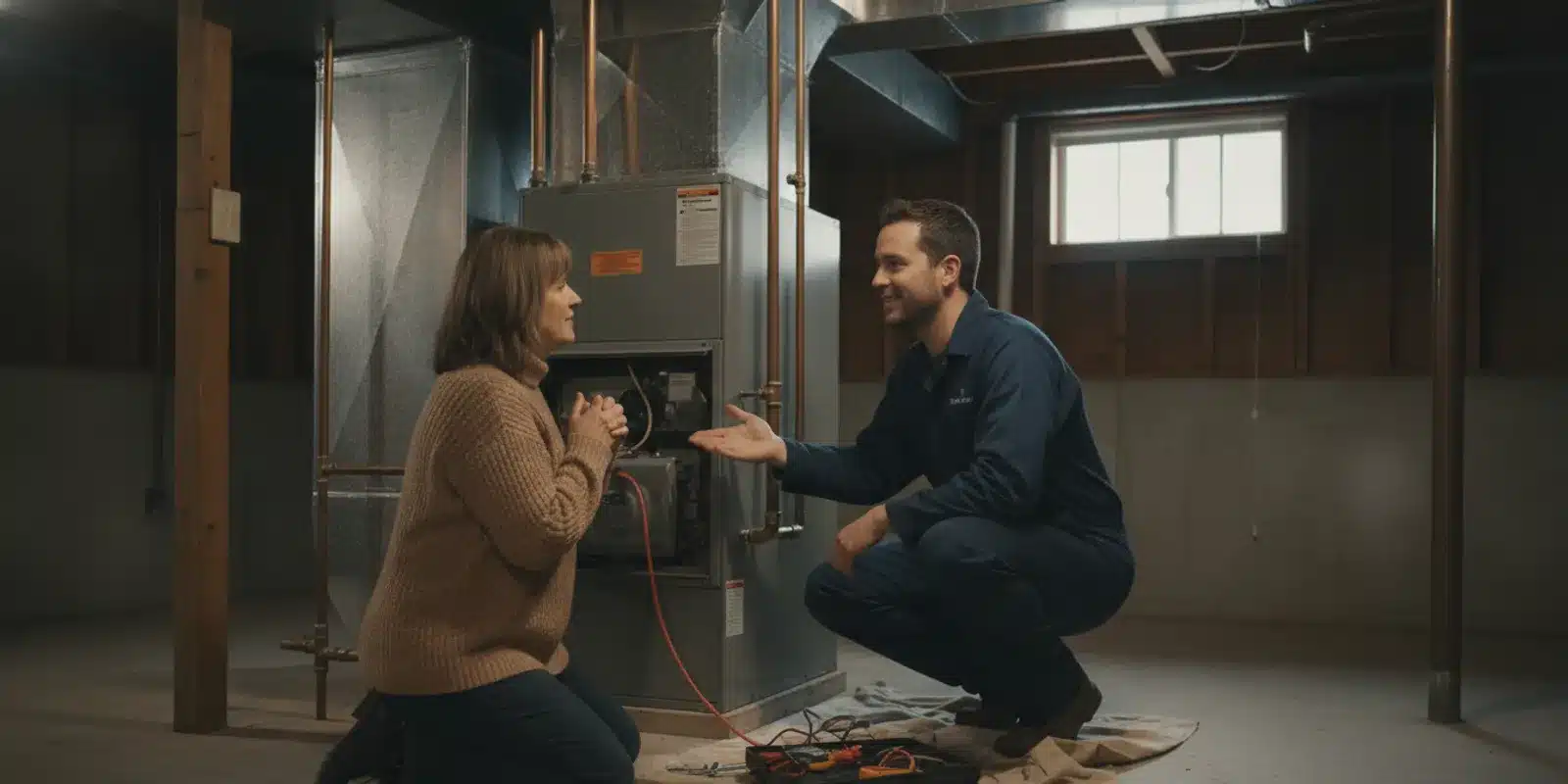
- Listen to your description and observe the system. The technician begins by understanding what changed, such as warm air, longer cooling cycles. Repeated breaker trips, an outdoor unit that will not start, or humming and vibrating sounds. You can safely note these symptoms, the timing, and whether the thermostat is calling for cooling. Do not open the electrical panel, handle refrigerant, or attempt to test the compressor yourself.
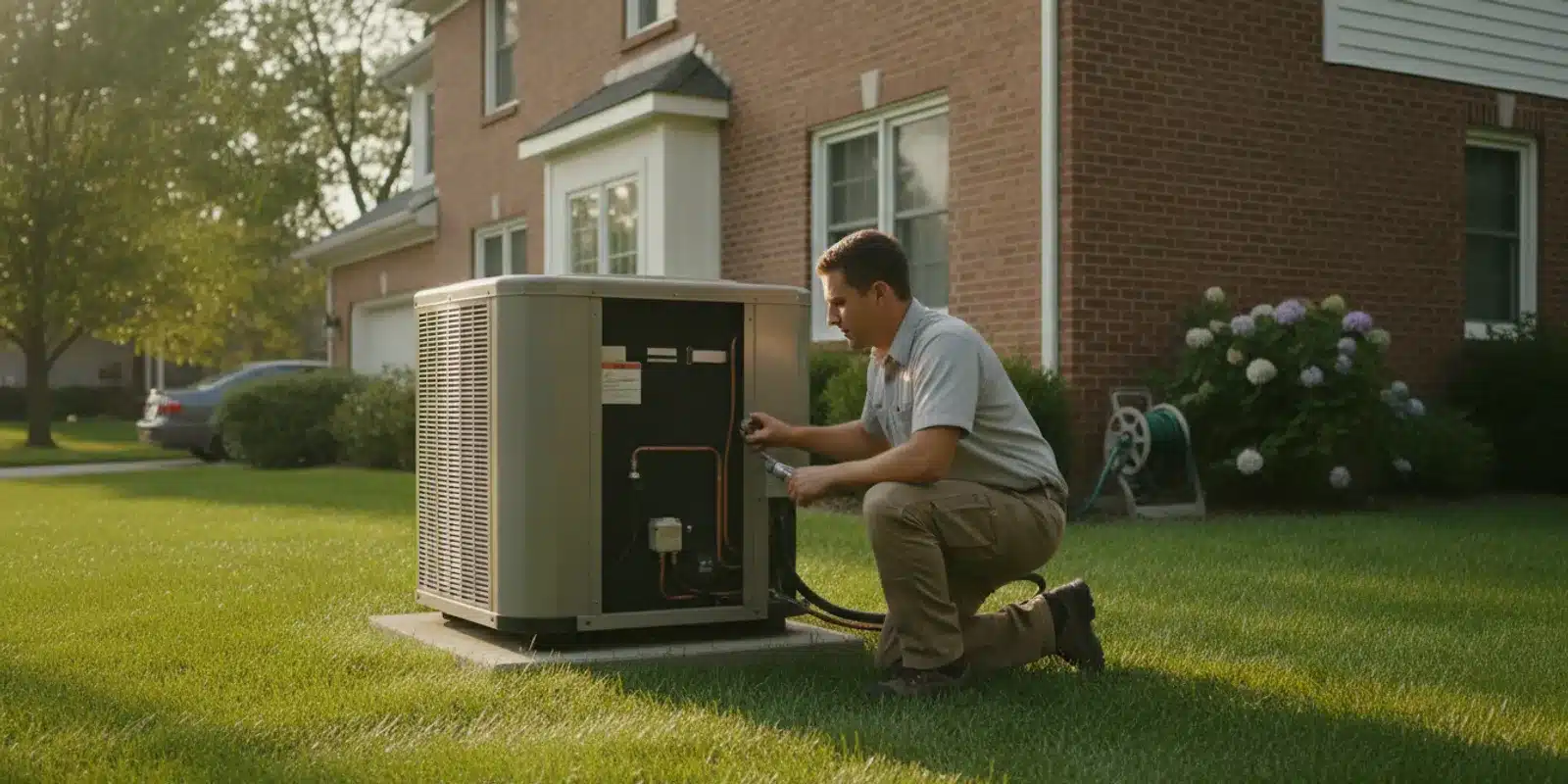
- Inspect the system as a whole. A compressor does not operate in isolation. The technician evaluates the outdoor unit, indoor airflow, wiring, connections, coils, and other conditions that could make the system work harder. Indiana heat can place significant seasonal stress on residential air conditioners, so the inspection considers both the immediate symptom and the system’s overall condition.
- Use professional diagnostic measurements. Specialized tools help a trained technician check refrigerant conditions and compressor motor amperage. These measurements can help separate a compressor problem from an electrical fault or another issue with the cooling cycle. The goal is evidence, not a guess based on noise or temperature alone.
- Explain the practical options. After the checks, Armor Air provides transparent guidance about whether repair, outdoor-unit replacement, or full system replacement makes more sense. Age, warranty status, repair history, efficiency, and the scope of the problem all affect that decision. The recommendation should explain why the work is needed, not pressure you into the most expensive option.
Armor Air offers same-day service for homeowners who need answers, with NO TRIP CHARGE EVER. The Indianapolis-based team serves nearby Central Indiana communities and follows its “We Do What’s Right” approach. If your air conditioner is showing warning signs, you can schedule AC repair in Indianapolis or contact Armor Air to arrange an appointment. Armor Air is closed on Sundays for God and Family time, so plan weekday or Saturday service when possible.
The questions homeowners ask after a diagnosis often involve safety, repair timing, and whether replacement is the better value. The FAQs below address those decisions in plain language.
Schedule same-day AC service before the problem gets worse. Call (317) 455-4448.
Frequently Asked Questions
What are the common signs of a bad AC compressor?
Warm air, longer cooling cycles, unusual humming or grinding sounds, frequent breaker trips, and an outdoor unit that will not start can all point to compressor trouble. These symptoms can also come from a capacitor, wiring, airflow, or refrigerant problem, so a symptom alone does not confirm compressor failure.
How much does it cost to replace an AC compressor?
General planning ranges often fall between $800 and $2,500, depending on the equipment, part, labor, refrigerant work, warranty coverage, and total repair scope. These are not Armor Air quotes. A technician must diagnose the system and inspect the equipment before providing an accurate price.
Is it better to repair or replace a faulty AC compressor?
Repair may make sense when the system is newer, the compressor is covered by warranty, and the rest of the equipment is in good condition. Replacement is often worth considering when the system is older, inefficient, has a history of repairs, or needs additional major components. Compare the complete repair scope, not just the compressor price.
What causes an AC compressor to fail?
Common contributors include age, extreme summer heat, electrical surges, refrigerant leaks, restricted airflow, and dirt buildup on coils. Regular maintenance, including coil cleaning and electrical inspections, can help reduce strain, but it cannot prevent every failure.
How long does an AC compressor typically last?
There is no dependable one-size-fits-all lifespan. Installation quality, maintenance, system age, operating conditions, and electrical or refrigerant problems all affect compressor life. An Indianapolis technician can evaluate the compressor and the rest of the system before recommending repair or replacement.
Schedule Your AC Compressor Diagnosis
When your air conditioner shows signs of compressor trouble, a professional diagnosis can clarify whether repair or replacement makes the most sense for your home and budget. Armor Air provides straightforward guidance for Indianapolis homeowners, with same-day service and no trip charge ever. We Do What’s Right means you get a clear explanation of the problem without pressure to choose work that does not fit your system.
Schedule same-day AC compressor diagnosis or call (317) 455-4448