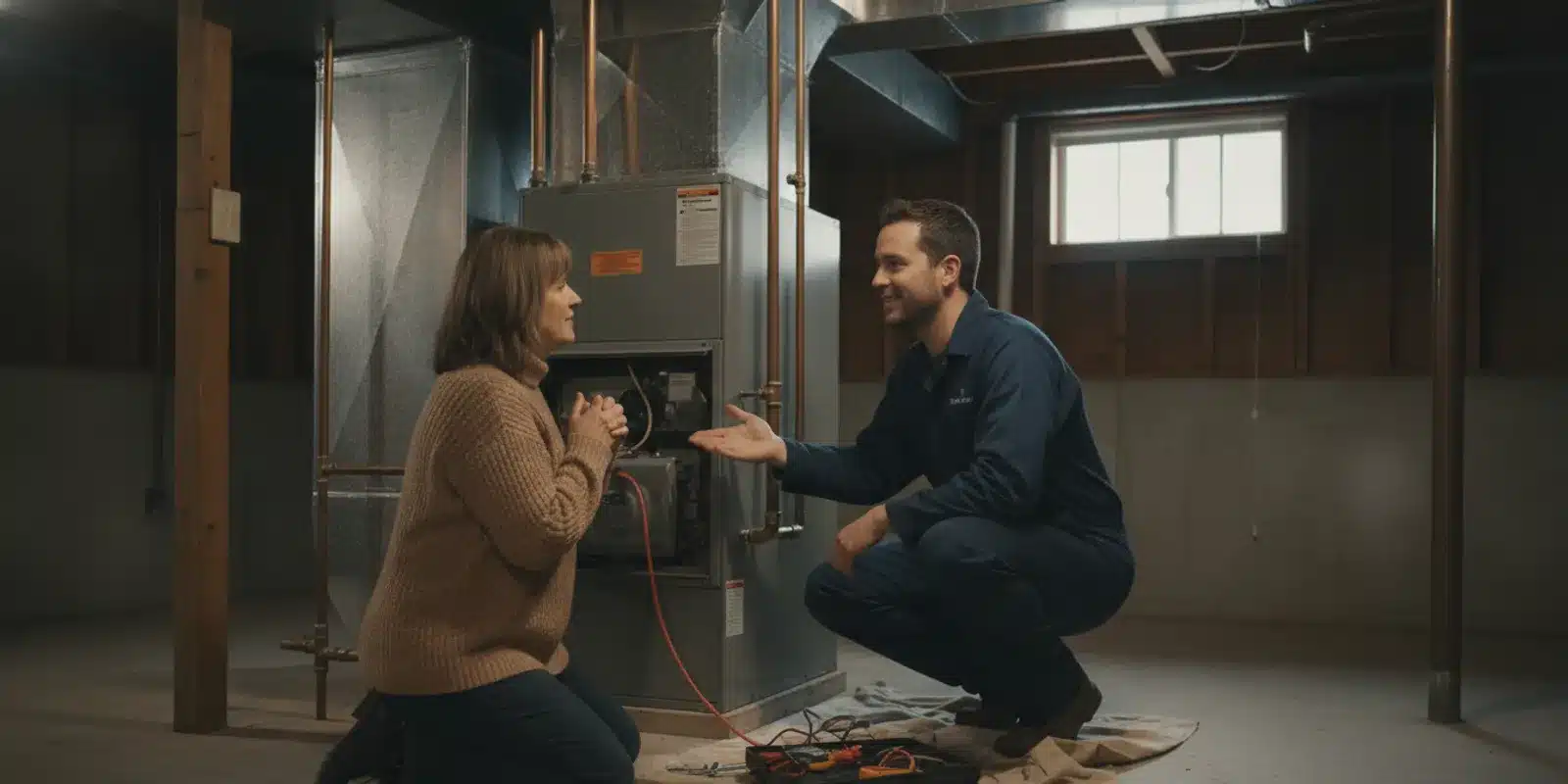
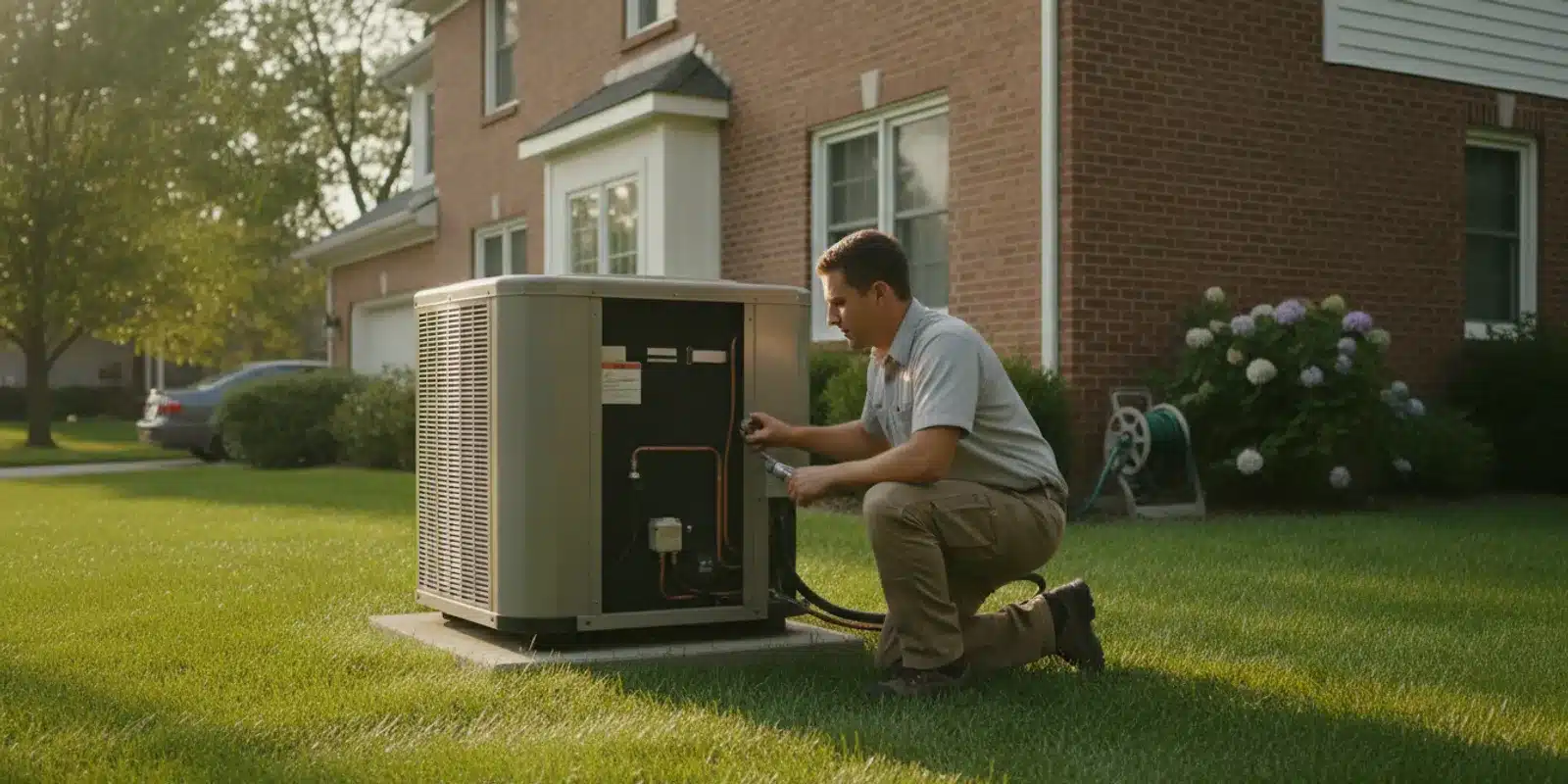
The moment your AC gives out, a big question immediately follows: is it better to repair it or replace it entirely? This decision often comes down to one critical factor: the ac repair cost. Pouring hundreds or even thousands of dollars into an aging system can feel like a bad investment, but the price of a brand-new unit is also a significant expense. To make the right choice, you need a clear understanding of what a potential repair might cost. This guide provides straightforward financial guidelines, like the 50% rule, and breaks down repair costs to help you determine the most cost-effective path for your home’s comfort.
Key Takeaways
- Prepare for a range of repair costs: Your final bill depends entirely on the specific issue, with simple fixes like clearing a drain line costing much less than replacing a major part like the compressor. A professional diagnosis is the only way to get an exact price for your repair.
- Use simple rules to decide between repair or replacement: If a repair quote is more than 50% of the cost of a new system, replacement is often the better long-term choice. This is especially true for units over 10 years old that require frequent service calls.
- Focus on preventative maintenance to save money: Simple actions like changing your air filter every few months and scheduling an annual professional tune-up are the most effective ways to prevent expensive breakdowns, helping you avoid stressful emergency repairs.
How Much Should an AC Repair Cost?
When your air conditioner stops working on a hot Indianapolis day, your first thought is probably about comfort. Your second is almost always about the cost. The truth is, there’s no single price for an AC repair. The final bill depends entirely on what’s wrong with the unit, the parts needed, and the labor involved. A simple fix might only set you back a small amount, while a major component failure can be a significant investment.
Understanding the potential costs can help you feel more prepared when you call a professional. Think of it like a car repair: a new air filter is one thing, but a full engine replacement is another. To give you a clearer picture, we can break down the average costs for some of the most common HVAC issues homeowners face. This way, you can have a general idea of what to expect before a technician even arrives at your door.
What’s the Average Price for an AC Repair?
On average, homeowners can expect to pay anywhere from $150 to $650 for a professional AC repair. However, this is just a ballpark figure. A very minor repair, like clearing a simple clog or resetting a component, could be on the lower end. On the other hand, a complex issue involving a critical part like the compressor could push the cost well over $1,000. The only way to get a precise number is to have a qualified technician diagnose the problem. An expert can identify the root cause and give you an upfront quote for the repair, which is a practice we stand by to ensure there are no surprises.
Repair Costs for Common AC Problems
To help you budget, let’s look at the typical price ranges for some of the most frequent AC problems. Keep in mind these are estimates, and your final cost will depend on your specific system and the extent of the damage.
Fixing a Refrigerant Leak
A refrigerant leak repair can cost anywhere from $200 to over $1,500. Refrigerant is the substance that actually cools the air, so a leak is a serious problem. The wide price range is due to the complexity of finding the leak and the current cost of refrigerant, which can fluctuate. A small, easy-to-access leak will be much less expensive to fix than one that requires taking apart major sections of your unit.
Repairing or Replacing the Compressor
The compressor is the heart of your AC system, and fixing it is one of the most expensive repairs. You can expect to pay between $1,000 and $3,000 to repair or replace a compressor. Because this part is so critical and costly, if your compressor fails on an older unit, it’s often a good time to consider whether a full system replacement might be a more cost-effective long-term solution.
Replacing a Bad Capacitor
If your AC is humming but the fan won’t start, you might have a bad capacitor. This is a relatively common and affordable fix, typically costing between $150 and $400. The capacitor provides the jolt of energy needed to start the motor. A technician can usually diagnose and replace this part fairly quickly, getting your cool air flowing again without a huge expense.
Fixing the Fan Motor
The fan motor is responsible for blowing cool air through your home. If it breaks, you’re looking at a repair cost between $300 and $800. There are two fans in most AC systems (one inside and one outside), and the cost can vary depending on which one needs to be replaced and the specific model of your unit. When this motor fails, your system can’t circulate air, leading to a rapid loss of cooling.
Repairing or Replacing the Thermostat
Thermostat issues can often be resolved for about $100 to $500. A simple fix or recalibration will be on the lower end of that spectrum. If you need a full replacement, the cost will depend on the type of thermostat you choose. A basic digital model is more affordable, while a smart thermostat with Wi-Fi capabilities will be a larger investment. If you’re facing a more complex issue, you can always book an appointment for a professional diagnosis.
Clearing a Clogged Drain Line
A clogged condensate drain line is a very common issue, especially during humid Indiana summers. Luckily, it’s also one of the most affordable repairs, usually costing between $80 and $250. When this line gets blocked with algae or debris, water can back up and cause your system to shut down to prevent water damage. Our team is skilled at quickly clearing all types of drains and sewer lines to restore proper function.
What Factors Influence Your Final Bill?
When you get a quote for an AC repair, the final number isn’t pulled out of thin air. Several key factors come together to determine the total cost, from the specifics of your air conditioner to the timing of your service call. Understanding what goes into the price can help you feel more confident about the investment you’re making in your home’s comfort. A transparent technician will always be happy to walk you through the costs, but it helps to know what to expect.
The price of a repair depends on the age and type of your system, the cost of parts versus labor, your warranty status, and even the time of year. Let’s look at how each of these elements can affect your final bill. Knowing this can help you spot a fair deal and make informed decisions about your home’s HVAC system.
The Age and Type of Your System
The age of your air conditioner plays a big role in repair costs. If you have an older unit, finding replacement parts can be more difficult and expensive, as they may no longer be in production. Technicians might need more time to source the right component, which can add to the labor cost. Similarly, the type of system you have matters. A simple window unit will have different repair needs and costs than a complex central air system or a ductless mini-split. The more specialized the system, the more intricate the repair can be.
The Cost of Parts vs. Labor
Your final bill is a combination of two main things: the cost of the replacement part and the cost of the technician’s labor. Minor repairs, like replacing a capacitor, involve a relatively inexpensive part and quick installation. Major repairs, such as replacing a compressor, are much more involved. The compressor itself is a costly component, and the labor required to install it is significant. In many cases, the labor makes up the largest portion of the bill, reflecting the technician’s expertise, training, and time.
Your Warranty Coverage
Before you schedule a repair, it’s always a good idea to check if your AC unit is still under warranty. A manufacturer’s warranty can be a huge money-saver, often covering the cost of expensive parts like the compressor or condenser coil. If your parts are covered, you will typically only need to pay for the labor to install them. Some homeowners also purchase extended warranties for extra protection. Keep your original paperwork handy so you can easily check your coverage when a problem pops up.
The Urgency of the Repair
If your air conditioner breaks down in the middle of a July heatwave, you need it fixed fast. Emergency, after-hours, or weekend service calls can sometimes come at a premium compared to a standard appointment scheduled during regular business hours. This is because immediate service requires technicians to adjust their schedules or work outside their normal hours. Finding a company that offers responsive, same-day service without tacking on huge emergency fees is key to getting your home cool again without breaking the bank.
The Time of Year
Demand for AC repairs naturally skyrockets during the hottest months of the year. From late spring through summer, HVAC companies are at their busiest. This high demand can sometimes impact scheduling availability. While most reputable companies strive to keep their pricing consistent, it’s a simple reality of supply and demand. This is another reason why scheduling preventative maintenance in the spring is so valuable. A tune-up can catch small issues before they turn into major breakdowns during peak season, saving you from a stressful and potentially more costly emergency.
Is It Time to Repair or Replace Your AC?
Deciding whether to fix your air conditioner or invest in a new one can feel like a huge, stressful choice. On one hand, a repair seems cheaper upfront. On the other, you don’t want to keep throwing money at a system that’s on its last legs. The good news is that you don’t have to make this decision based on a gut feeling. There are a few practical guidelines you can use to figure out the most cost-effective path forward.
By looking at the potential repair cost, the age of your unit, and how often it’s been acting up, you can get a clear picture of whether a simple fix will do the trick or if it’s time to upgrade to a modern, more reliable HVAC system. This decision isn’t just about immediate savings; it’s about your home’s comfort, your future energy bills, and your peace of mind. Let’s walk through the key factors to help you make the right call for your home and your budget.
Applying the 50% Rule
A great starting point for this decision is the 50% rule. It’s a straightforward financial guideline: if the cost of a repair is 50% or more of the price of a brand-new air conditioner, replacement is usually the smarter long-term investment. For example, if a new AC unit would cost you $7,000 and you’re facing a $3,800 repair bill, you’re already over that halfway mark. Pouring that much money into an aging system often doesn’t make sense, as other parts could fail soon after. It’s a simple calculation that helps remove the emotion and focus on the numbers.
Your Unit’s Age and Efficiency
The age of your AC unit is a major factor. Most systems are designed to last about 10 to 15 years. If your unit is approaching or has passed that milestone, replacement becomes a much more attractive option. Parts for older models can be difficult to find and more expensive, and your warranty has likely expired. Another helpful guideline is the $5,000 rule: multiply the repair cost by your unit’s age in years. If the total is more than $5,000, it’s probably time for a new system. An older unit is also far less energy-efficient, meaning a new AC will start saving you money on your monthly utility bills right away.
How Often Are You Calling for Repairs?
Think about how many times you’ve had a technician out in the last couple of years. A single, isolated repair on a younger system is one thing. But if you’re scheduling service calls every season, your AC is trying to tell you something. Those frequent repair bills, even if they seem small at the time, add up quickly. Constant breakdowns are a classic sign that the entire system is becoming unreliable. Instead of continuing to patch up a failing unit, investing that money in a replacement can save you from the headache of unexpected failures and the cumulative cost of repeated service visits.
Key Signs You Need a Replacement
Sometimes, your air conditioner gives you clear signals that its time is up. If you’re seeing any of these signs, a replacement is likely your best bet. A major component failure, like a bad compressor, is often a dealbreaker due to the high repair cost. If your unit is more than 10 years old and struggling, it’s living on borrowed time. Steadily rising energy bills also indicate that your system’s efficiency is declining. And if your AC still uses R-22 refrigerant, which is now phased out and extremely expensive, upgrading is a wise move. When in doubt, you can always book an appointment to have a professional assess your system and give you a clear recommendation.
How to Save Money on AC Repairs
An unexpected AC repair bill can put a serious dent in your budget, but you have more control over the cost than you might think. While some repairs are unavoidable, a few proactive habits can significantly lower your long-term expenses. By focusing on regular upkeep and smart decision-making, you can keep your system running efficiently and catch minor issues before they turn into costly emergencies. These simple steps will help you save money and extend the life of your air conditioner.
Change Your Air Filters Every 1–3 Months
This is one of the easiest and most effective ways to prevent expensive problems. A dirty air filter forces your AC system to work harder to circulate air, which causes unnecessary wear and tear on its components and drives up your energy bills. Over time, this strain can lead to motor burnout or other serious failures. Checking your filter monthly and replacing it when it’s dirty is a small task that protects your entire HVAC system. Most filters need to be changed every 30 to 90 days, depending on your home’s air quality and whether you have pets.
Schedule Annual Professional Maintenance
While changing filters is a great start, an annual professional tune-up is essential for preventing major breakdowns. During a maintenance visit, a certified technician does much more than you can on your own. They clean the coils, check refrigerant levels, test electrical connections, and lubricate moving parts. This yearly check helps your AC unit last longer and allows a professional to spot and fix small problems before they become bigger, more expensive issues. Think of it as an investment that pays for itself by helping you book an appointment for maintenance instead of an emergency repair.
Understand Your Warranty Coverage
Before you approve any repair work, take a moment to check your AC unit’s warranty. Many homeowners forget they have this coverage, which can save a lot of money. Manufacturer warranties often cover the cost of expensive parts like compressors or coils, meaning you might only have to pay for the labor. If you purchased an extended warranty from the installer, it might cover labor costs as well. Keep your warranty paperwork in an accessible place so you can quickly reference it when you need to. Knowing what’s covered can turn a four-figure repair bill into a much more manageable one.
Fix Small Issues Before They Get Worse
If you notice your AC making a strange noise, dripping water, or struggling to cool your home, don’t ignore it. Minor issues like a rattling sound or a slight decrease in performance are often early warning signs of a bigger problem. Addressing these small problems right away can stop them from escalating into a complete system failure. A small, inexpensive repair for a loose part is much better than paying for a full compressor replacement down the line. Paying attention to your system and calling a professional at the first sign of trouble is a smart way to manage your home’s other systems, like your drains and sewer lines, as well.
Get Multiple Quotes for Major Repairs
For a significant repair, it’s wise to get a few different opinions and price quotes. This helps you understand the fair market rate for the job and ensures you’re not overpaying. However, don’t automatically choose the lowest bidder. A suspiciously low price could indicate an inexperienced technician or low-quality parts. When you get a quote, consider the company’s reputation, customer reviews, and whether they guarantee their work. A trustworthy company will provide transparent, upfront pricing so you know exactly what to expect before the work begins.
How to Choose an AC Repair Company in Indianapolis
Finding the right person for the job is just as important as understanding the repair itself. When your air conditioner gives out on a sweltering Indiana day, the last thing you want is the added stress of vetting a dozen different companies. The right choice means getting fast, reliable service from a team you can trust, while the wrong one can lead to more headaches and a bigger bill. A great company doesn’t just fix the immediate problem; they provide peace of mind and help you feel confident in your home’s comfort systems.
So, how do you sort through the options and find a great local technician? It comes down to a few key things: how they handle their pricing, how quickly they can get to you, and what other customers have to say about their work. Focusing on these areas will help you find a professional who can get your home cool and comfortable again without any drama. It’s about finding a partner for your home’s HVAC system, not just a one-time fix. Taking a few moments to check these boxes can save you from a poor experience and ensure your investment is protected.
Look for Upfront, Transparent Pricing
Nobody likes financial surprises, especially when they’re already dealing with a broken AC. That’s why finding a company that offers upfront, transparent pricing is so important. A trustworthy technician will assess the problem and give you a clear, detailed quote before they start any work. This allows you to approve the cost without worrying about a surprise on the final invoice.
Be cautious of companies that offer vague estimates or only bill by the hour without giving you a sense of the total. A reputable company will have no problem explaining the costs, including parts and labor. At Armor Air, we believe in this so strongly that we have no trip charges, so you know exactly what you’re dealing with from the start.
Prioritize Same-Day Service Availability
When your AC dies in the middle of July, waiting isn’t an option. A company that offers same-day service shows they understand the urgency and have the resources to respond quickly. In Indianapolis, where summer heat and humidity can be intense, this should be a top priority. Check a company’s website or call them to ask about their availability for emergency repairs.
Companies that are equipped for urgent calls are typically well-staffed and organized, which is a good sign all around. If a provider makes it easy to book an appointment for the same day, you can feel confident that they value your time and comfort. Don’t settle for waiting days in the heat when you don’t have to.
Check for Strong Customer Reviews
Before you hire anyone, take a few minutes to see what past customers are saying. Online reviews on sites like Google are the new word-of-mouth, and they provide honest insight into a company’s quality of work and customer service. Look for a company with a high overall rating and a large number of reviews, as this indicates a consistent track record.
Don’t just look at the star rating. Read a few of the most recent reviews to see what people mention specifically. Are the technicians described as professional and on time? Did the company communicate clearly about the repair and cost? Consistent positive feedback on these points is a strong signal that you’re choosing a reliable and respected local company.
Related Articles
- How to Tell If You Need AC Repair or Replacement
- What to Expect During an HVAC Service Call
- 5 Signs Your Air Conditioner Needs Immediate Repair
- Tips for Lowering Your Summer Cooling Costs
- How to Choose the Right HVAC Contractor
Frequently Asked Questions
Why can AC repair costs vary so much? The final price for an AC repair depends on a few key things. The cost of the specific part needed is a big one, as a simple capacitor is much cheaper than a whole compressor. The amount of labor is another factor; a quick fix will cost less than a repair that requires a technician to spend hours taking the unit apart. Finally, the age and type of your system can also affect the price, especially if parts are hard to find for an older model.
Is it really worth it to repair an AC unit that’s over 10 years old? This is a common dilemma. Generally, if your unit is over a decade old, replacement is often the smarter financial choice. An older system is less efficient, meaning you’re already paying more on your monthly energy bills. Plus, after one major part fails, others are often not far behind. Investing a large sum into a system that’s near the end of its expected lifespan can lead to more repair bills down the road.
What’s the best way to avoid a surprise bill for my AC repair? The best way to prevent a surprise bill is to work with a company that provides clear, upfront pricing. Before any work begins, a technician should diagnose the issue and give you a detailed quote that you approve. This quote should outline the cost of parts and labor. Be wary of vague estimates or companies that won’t give you a firm price. This transparency is key to feeling in control of the process.
Besides changing my filter, what’s the most important thing I can do to prevent future repairs? Scheduling an annual professional tune-up is the single most effective step you can take. During a maintenance visit, a technician can spot and fix small issues before they turn into major, expensive breakdowns. They will clean critical components, check refrigerant levels, and test electrical connections, which keeps your system running efficiently and extends its lifespan, saving you from a stressful emergency call later.
If a repair costs almost as much as a new unit, why would anyone choose the repair? That’s a fair question. Sometimes, a homeowner might choose a significant repair over a replacement due to immediate budget constraints, as even a costly repair is usually less than a full system installation. It can be a temporary solution to get through the season while they plan or save for a new unit. However, in most cases where the repair cost approaches 50% of a new system’s price, replacement is the better long-term financial decision.