Winter in Indianapolis, Indiana, can take a real toll on your plumbing. Cold temperatures make pipes work harder and leave your home more vulnerable to buildup and leaks. That’s where a water softener system comes in. By starting your professional water softener installation during winter, you’re not just improving water quality now, you’re also giving your plumbing a break when it needs it most. Hard water can be tough year-round, but the effects tend to show up faster when things freeze. Getting ahead of it means fewer problems when the temperatures drop and better water all season long.
Why Winter Is a Good Time to Install a Water Softener
Cold weather puts extra stress on everything connected to your plumbing. When water hardens, it leads to buildup in pipes, appliances, and fixtures. A water softener helps clear that up and keeps things running better, even when it’s freezing outside.
We find that installers often have more room in their schedules right after the holiday season. That means less waiting for a service appointment and faster setup time. If you’ve been thinking about installing a softener, winter may actually be the most convenient time to get it done.
A softener installed early in the season can keep hard water issues from piling up as the months go by. It helps cut back on scaling in pipes and protects appliances like dishwashers and washing machines from wearing out too soon. So, by installing one now, you’re setting yourself up for fewer mid-winter plumbing surprises.
Common Winter Installation Concerns and How Pros Handle Them
Installing anything in winter can raise a few questions, and that includes water softeners. But pros know how to work around them.
- Frozen or deeply buried outdoor pipes may be harder to access, but with the right planning, they’re not a problem. Installers often check out your whole setup ahead of time to avoid last-minute surprises.
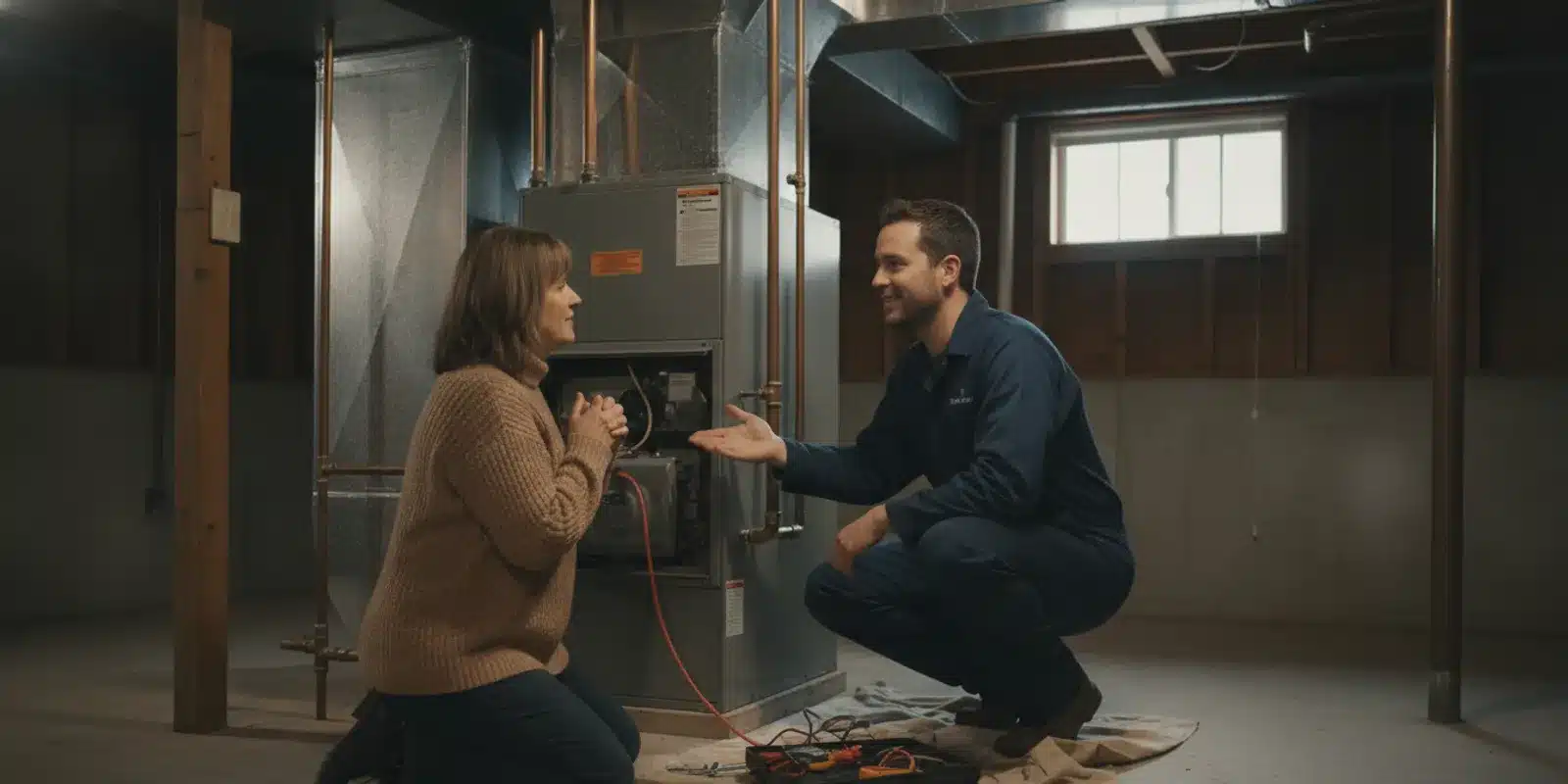
- Cold garages or basements aren’t off-limits, but they do need extra care. If the installation area isn’t well insulated, extra measures might be needed to keep things warm and working properly.
- When the water’s already freezing cold, some wonder if the softener will even kick in right. A licensed installer makes sure it starts up the way it should and adjusts it if needed. Everything gets tested before they finish the job.
Relying on someone who’s used to frozen pipe prevention and winter conditions takes the guesswork out of the process.
Choosing the Right Location for Your Water Softener in Winter
Where you place the system can make a big difference, especially in cold weather.
- Garages and basements are popular spots, but without the right insulation, temperature swings can become a problem.
- Adding a little extra protection around your softener makes it last longer. That might mean wrapping exposed sections or placing the system near a heated part of your home.
- Some homeowners consider placing it outdoors. That’s okay, but it needs to be inside a weather-resistant enclosure or shed. Indoors is often safer when temperatures dive below freezing.
During installation, we help you think about water flow, pipe access, and protection from the cold. A smart location keeps your system safer and easier to maintain throughout the season. You can also follow Winter pipe protection guidelines to further reduce the risk of freezing pipes near your water system.
What to Expect During a Professional Installation Visit
Knowing what’s involved can make installation a lot less stressful. Here’s how it usually goes.
- We start by confirming the spot where the softener will be placed and checking the surrounding plumbing.
- The system is connected to your home’s main water line, with a bypass setup added for flexibility.
- Installers then test the water pressure and run checks to confirm everything’s flowing correctly.
Most installations take a few hours, but every home looks a little different. Homeowners usually just need to move a few items out of the way and make sure someone is present to walk through the steps. Cold weather doesn’t make the process harder for licensed plumbers; it just requires the right prep and tools.
Winter Maintenance Tips After Installation
Once the system is in, you’ll want to keep it running smoothly. That’s easy with a few regular checks.
- Look inside the salt tank every few weeks and make sure there’s enough salt. If the level drops low, the softener won’t work as it should.
- Inspect for any dripping or frozen spots, especially after a cold night. Early signs of trouble are usually easy to fix if caught soon.
- If you notice your water returning to a hard feel or pressure dropping, it’s time to schedule a checkup. Those are common signs of a system needing a quick tune-up.
If you’re unsure what maintenance to do on your own, these comprehensive water softener services can walk you through what a typical care plan looks like.
Taking ten minutes a month to check your system helps avoid bigger issues later. In the midst of winter, that peace of mind goes a long way.
Set Yourself Up for Softer Water All Season
The cold months can be rough on home plumbing, but a newly installed water softener helps things stay smoother. Pipes are under less stress, water appliances run better, and the water just feels nicer across the board.
Starting a water softener system installation during winter guards your home against buildup and blockages that tend to show up when things are working their hardest. Instead of waiting for spring repairs, you’re staying ahead of the season and keeping your water quality steady through cold days and freezing nights.
FAQs
What is a water softener system?
A water softener removes minerals like calcium and magnesium that cause hard water buildup in pipes and appliances.
Can a water softener be installed during freezing temperatures?
Yes, as long as the area is protected from frost and a pro handles the setup, installation is safe any time of year.
Is it bad to wait until spring for water softener installation?
Waiting may lead to scale buildup during the cold season, which can stress plumbing and reduce system performance.
How long does it take to install a water softener?
Most professional installations take a few hours, depending on the plumbing layout and setup location.
Will my water softener work the same in winter?
Yes, but it’s important that the system is protected from freezing and properly maintained.
Where’s the best place to install a softener in winter?
Somewhere indoors or in a sheltered location where it won’t be exposed to cold air or freezing temperatures.
Do I need to winterize my softener if it’s in the garage?
Yes, insulation or heating may be needed if your garage gets too cold.
Can I use softened water for everything in the house?
Yes, it’s safe for most home uses, including bathing, cleaning, and laundry.
What happens if my softener freezes?
Freezing can damage internal parts, so it’s important to keep it in a warm space and call a professional if trouble starts.
Is professional installation really necessary?
Yes, hiring a licensed plumber helps make sure the system runs correctly and safely, especially during the winter months.
Winter is an ideal time to enhance your home’s plumbing with a professional water softener system installation. With the colder months causing pipes to work overtime, now is the perfect opportunity to protect them from hard water buildup. Armor Air provides expert installation services to ensure your system runs efficiently, offering you peace of mind all season long. Contact our water softener installation experts today to make your water softer and your home more comfortable this winter.